Venice in Context

Venice holds a place in the heart of Italophiles the world over. Yet few of its millions of visitors take time to appreciate Venice in context. To really understand it, you need to see Venice within the context of the Veneto region and its neighbouring provinces of Padua, Treviso, Vicenza, Verona, Belluno and Rovigo.

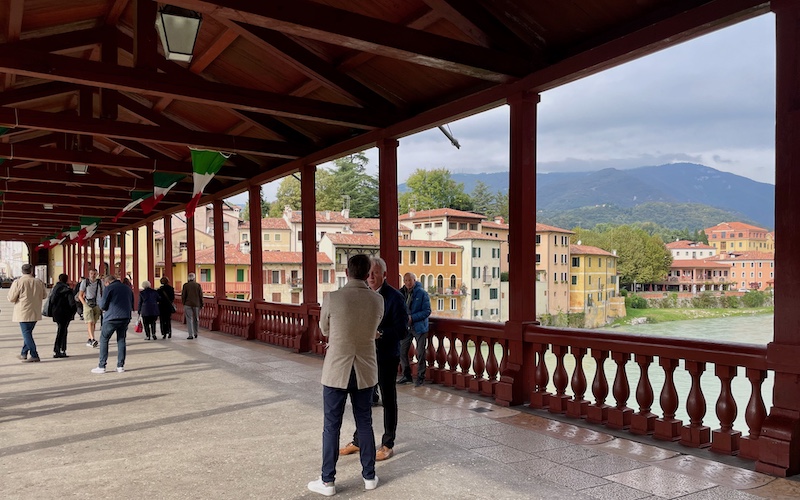
Venice in Context: Bassano del Grappa

With land always at a premium on the lagoon islands, the nobility once built their farms and summer houses on the fertile plains of neighbouring Padua. This province, intricately woven into the history of the Venetian Republic, is now just 30 minutes west of Venice by train. An hour northwest of Venice brings you to Treviso, where Conegliano and Valdobbiadene are at the heart of the finest Prosecco appellation, a magical landscape of UNESCO-listed vineyard-covered hills. Further west, the province of Vicenza is closely tied to Italy’s favourite spirit, grappa, and famous for its Renaissance architecture – especially the many Palladian villas – while Verona is home to the great red wines of Valpolicella. In the far north, pressed against Austria, Belluno is renowned as a hiking destination with the dramatic Dolomites drawing outdoor enthusiasts from around the world. South of Venice – nestled between the Adige and Po rivers, bordering Emilia-Romagna – is the often overlooked province of Rovigo. Rovigo contains much of the fertile Po Delta, a tranquil waterway full of wild birds, fascinating history and agricultural abundance, as well as Italy’s main source of clams. Next time you’re visiting northeastern Italy, take a few days to explore Padua, Treviso, Vicenza, Verona, Belluno and Rovigo; it’ll put Venice in context and make your next visit to that unique city so much more rewarding. Here’s my pick of where to stay, eat, and drink across the Venetian provinces – a starting point for your exploration of the Veneto beyond Venice.

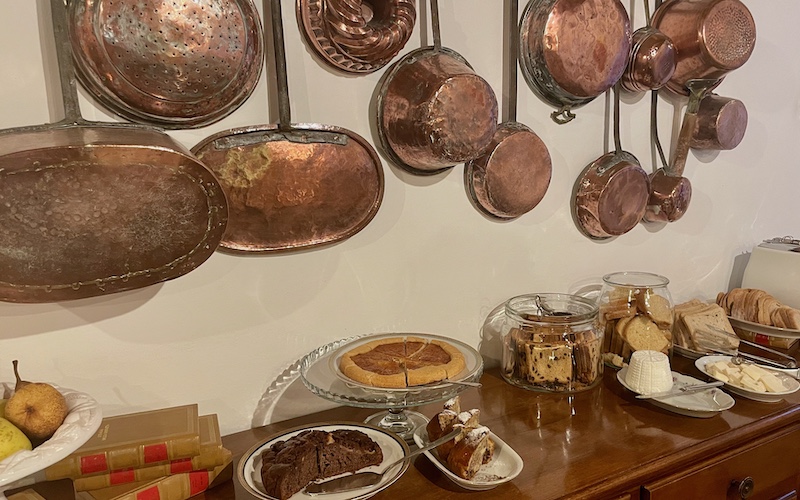
Venice in Context: Ca' de Memi

Where To Stay in Padua Ca’ de Memi
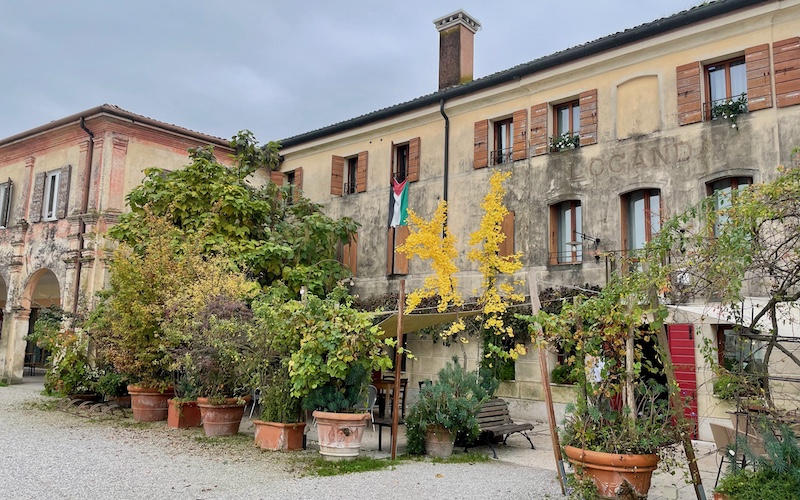
This farmhouse B&B on the edge of a small Paduan town – surrounded by a large garden and orchard – is a great base for exploring Veneto. A few minutes’ drive away is Locanda Aurilia, a 150-year-old country inn packed with families and friends enjoying themselves. Its impressive wine cellar, old world charm, interesting regional dishes and amazing cheese trolley, make for a memorable dining experience.

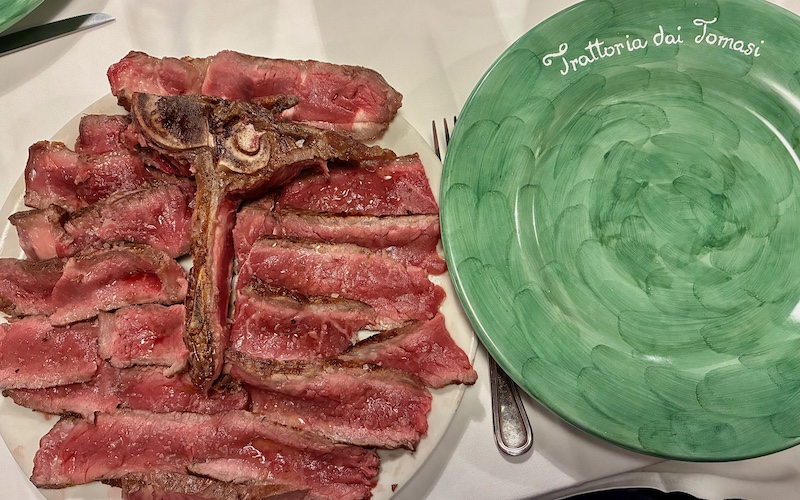
Venice in Context (Veneto region) - Trattoria dai Tomasi - Verona

Where to Dine in Verona Trattoria dai Tomasi
Locals tell me the host of this cosy, old-school trattoria is ‘particular’ (they mean quirky), adding that everyone goes there regardless because the food and wine are so good! Corrado is in fact charming to those who appreciate his cooking, and the wood-grilled steak and regional specialties are excellent as promised, including liver cooked two ways and polenta with tiny schie (prawns). The apple torta is one of the best desserts ever.

Venice in Context: Cantina Mediterraneo

Where To Lunch in Treviso Cantina Mediterraneo
This rustic restaurant in the small town of Badoere (famous for asparagus) is within the porticoes of an 18th-century piazza. The interior is smarter than the outside suggests and full of locals; it’s clearly off the tourist trail. Dishes are refined, many featuring hyper-local ingredients like foraged chicory root and wild poppy. I love the seasonal risottos and salads. Staff are helpful and wine recommendations are spot on too.

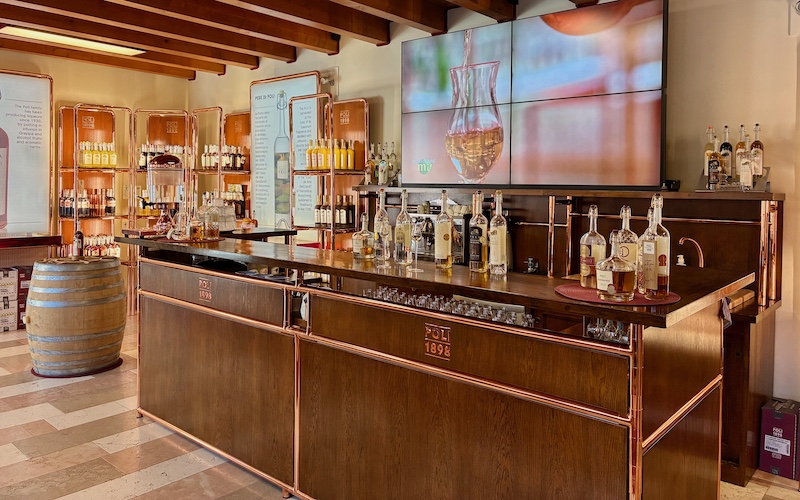
Venice in Context (Veneto region) - Poli Distillery Vicenza

Where To Drink in Vicenza Poli Distillery
The town of Bassano del Grappa is often linked with Italy’s favourite spirit. Though the connection is coincidental (see FAQ below), the pretty town is home to the Poli Museum and the nearby distillery offers interesting tours. Only 20% of Italy’s grappa production now comes from family-owned artisanal distilleries like Poli – and a walk through their facility and cellars is educational and fun, finishing with a generous grappa tasting.

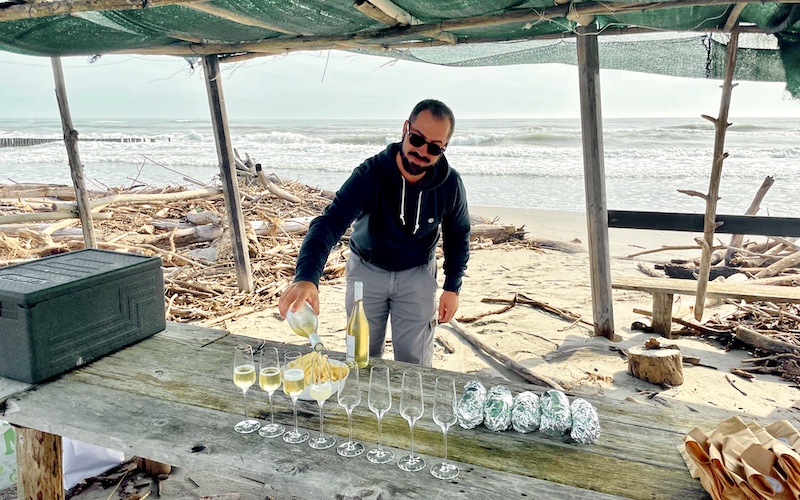
Venice in Context: Po Delta

What To Do In Rovigo Po Delta Boat Trip
The Po Delta is a fascinating waterway best explored by boat, and Niky is the ideal guide. He’s passionate and knowledgeable about the unique environment that’s been his family’s home for generations: its history, wildlife, and threats (see FAQ below). A day on the water with Niky is educational, enjoyable, and includes an aperitivo stop on wild Spiaggia dei Gabbiani (Seagulls Beach). I recommend packing a panini picnic lunch from Bar Ci Voleva.

Updated 24 Jul 2026

Duck & Porcini Risotto

Veneto FAQ

Which region of Italy is Venice in?

Venice is both a city and a province within the Italian region of Veneto — usually written in English as “the Veneto.” The name predates the city: both Venice and the Veneto take their names from the ancient Veneti, a pre-Roman people who inhabited northeastern Italy from at least the 10th century BC. The Romans called the region Venetia. When refugees from the mainland fled barbarian invasions in the 5th and 6th centuries AD and settled the lagoon islands, they brought the name with them — so it was the region that named the city, not the other way around.

Does 'Venetian' refer to Venice or the Veneto region?

In English, ‘Venetian’ does both. It is the adjective for Venice – Venetian canals, Venetian glass, Venetian blinds – but also for the wider Veneto region and its culture: Venetian cuisine, the Venetian Republic, Venetian villas. In Italian the distinction is clearer: ‘Veneziano’ refers specifically to Venice (Venezia) and its citizens, while ‘Veneto’ refers to the region. In English the two have merged into ‘Venetian’, which can create confusion.

Is the Italian drink grappa named for the Veneto town of Bassano del Grappa?

It’s a good story – especially as grappa originates in the northeastern Italian regions of Veneto and Friuli-Venezia Giulia – but the town’s name and the drink are unrelated. The spirit takes its name from graspa, the Venetian dialect word for grape pomace (the residual skins, seeds and stems left after grapes are pressed). The town was called Bassano Veneto until 1928, when the name was changed to honour the town’s role as the army base for one of Italy’s most heroic WWI defensive stands, at nearby Monte Grappa – a mountain whose name most likely comes from a more ancient word meaning ‘crag’ or ‘rocky outcrop’.

What is Padua famous for beyond its frescoed city?

The fertile plains between Venice and Padua were the countryside of the Venetian Republic. From the 15th century, when the Republic lifted its ban on nobles owning mainland property, Venetian aristocrats built hundreds of elegant farming estates along the Brenta River — the waterway connecting the two cities. Today the Riviera del Brenta is a remarkable open-air museum of Palladian and baroque villas, many still privately owned. Noble families would travel from St Mark’s Square by barge, sailing upriver to their estates for the summer.

Was tiramisu invented in Venice?

No – but likely nearby. The province of Treviso’s claim to tiramisu is the most widely accepted — and the most colourful. The dessert appeared on the menu at Le Beccherie restaurant in Treviso in 1972, created by Ada Campeol and pastry chef Loly Linguanotto, some say as a way to avoid wasting the first few coffee shots passed through the espresso machine each morning to prime it. Its name comes from ‘tireme su’ – Treviso dialect for ‘pick me up’. A racier legend traces it to a 19th-century brothel in the city centre, where the mistress of the house created an energising dessert for her customers. The neighbouring region of Friuli-Venezia Giulia contests Veneto’s claim, citing a handwritten recipe from 1959. The debate remains deliciously unresolved and today tiramisu may be Italy’s most ubiquitous dessert appearing on menus throughout the country.

Is Verona only famous for Valpolicella and Soave wines?

Far from it – the flat southern plains of Verona province, the bassa Veronese, produce Vialone Nano rice, which – in 1996 – was the first rice in Europe to receive IGP accreditation (Indication Géographique Protégée, or Protected Geographical Indication in English). Rice has been grown here since the 16th century, when the Venetian Senate established a body specifically to manage the conversion of marshland into paddy fields. Vialone nano is the preferred risotto rice throughout the Veneto and was originally sold exclusively at Venice’s Rialto market. Today the annual Fiera del Riso in Verona’s Isola della Scala celebrates the harvest each September and October.

Are the clams from Rovigo's Po Delta under threat?

Yes they are – and it’s a serious crisis. Since spring 2023, the Atlantic blue crab has become invasive in the lagoons of the Veneto Po Delta, devastating Manila clam farming in one of Italy’s most important shellfish-producing areas. In the Goro lagoon alone, by 2024 clam production had fallen 70% compared to the previous decade. Native to the North American Atlantic coast, the blue crab has no natural predators in Italian waters. Some fishers are pivoting to catching and exporting the crabs themselves, but generations of clammers have been forced to give up their licences and find new work.

What food is the Veneto best known for?

Each of the Venetian provinces has its own gastronomic identity. The Veneto is the culinary home of cicchetti (snacks to enjoy with drinks, often in the form of mini sandwiches both opened and closed), risotto made with IGP Vialone Nano rice, baccalà prepared numerous ways – including mantecato (whipped with olive oil in Venice) and poached in milk Vicenza-style – radicchio (especially in Treviso), white asparagus, and tiramisu. It also produces some of Italy’s finest salumi and formaggi, including Soprèssa Vicentina, Prosciutto Veneto Berico-Euganeo and Asiago and Monte Veronese cheeses.

Do I need a car to explore the region around Venice?

Not necessarily – Veneto’s main cities are well connected by train, and many wine estates and agriturismi offer pickups. However, to explore the Valpolicella hills, the Po Delta, the Prosecco roads around Valdobbiadene, or the Palladian villas of the Riviera del Brenta properly, a car gives you significantly more freedom.

What Other Travellers Say

Janet (Tamworth, NSW, Aus.)
Just back from the most amazing trip to Emilia-Romagna with Roberta. Not only the home of Prosciutto di Parma, Parmigiano-Reggiano & Balsamic Vinegar, but scenery to die for and more quaint and exciting restaurants and cafés than you ever imagined. And Roberta is just the person to help you discover and enjoy them! Her knowledge of the history of the region and its wonderful cuisine know no bounds and all added to the excitement of the trip. It was faultless - well organized and lots of fun!
Deb (Belconnen, ACT, Aus.)
Wow, what a tour – I learned so much! Awesome fun traveling through Emilia-Romagna experiencing first hand some of the produce I've worked with over the last couple of years cooking with Roberta's recipe kits – the family are reaping the benefits now. If you're thinking of joining Roberta in future years get ready for an amazing experience.
Mark (Elizabeth Bay, NSW, Aus.)
My wife and I recently joined Roberta's Emilia-Romagna tour. We enjoyed all the temptations offered and learned a lot about that part of Italy, especially its food and wine culture. What was most impressive was Roberta's local knowledge of people and places. The planning and effort she put into making the whole experience seem effortless was remarkable.
Karen (Bowral, NSW, Aus.)
Our tour with Roberta through Emilia-Romagna was the highlight of the year. Good company, gorgeous palazzi and great food. What more could one ask for? Roberta's enthusiasm and knowledge made this a once in a lifetime experience through an extraordinary, diverse and very special region.
Shelley (Auckland, NZ)
Roberta’s passion for Italy shone throughout an unforgettable food and wine tour. She introduced us to family-owned artisanal producers, where we experienced everything from attic-aged balsamic to small-batch wines, Parma ham and Parmigiano-Reggiano. The local guides were equally passionate, and the excellent transport and accommodation made the trip effortless. This tour captured the region’s traditions, flavours and people, and thanks to Roberta’s deep knowledge we left with wonderful memories. A truly authentic culinary adventure — highly recommended.
Subscribe To My Newsletter & Get A Free Online Italian Cooking Class (RRP $39)