You’ve probably guessed by now that I love Italy – its food, wine, people, scenery and history. I also love its beautiful, distinctive palazzo hotels, which are some of the best in Europe for creating a sense of place.
In Italy, a palazzo (palazzi in the plural) isn’t a ‘palace’ as such, but can refer to any grand building. So these palazzo hotels are in historic buildings – most with views that define their locations – and all are walking distance from everything you’ll want to see around them. I love them for their ability to combine comfort and great service with the spirit of the places they inhabit. In my book, these are some of the best palazzo hotels in Italy – plus one unforgettable cave hotel. See the FAQ below to learn more about historic hotels in Italy.
Hotel Gran Duca di York Milan
This hotel – in an 18th-century palazzo a 5-minute walk from Piazza Duomo – doesn’t appear to have any direct relationship with the Duke of York; I suspect they just liked the name. Scholars and priests from the nearby Veneranda Biblioteca Ambrosiana, including the future Pope Pius XI, once called the building home, and today it’s my favourite home-away-from-home when I’m in Milan.
Hotel Londra Palace Venice
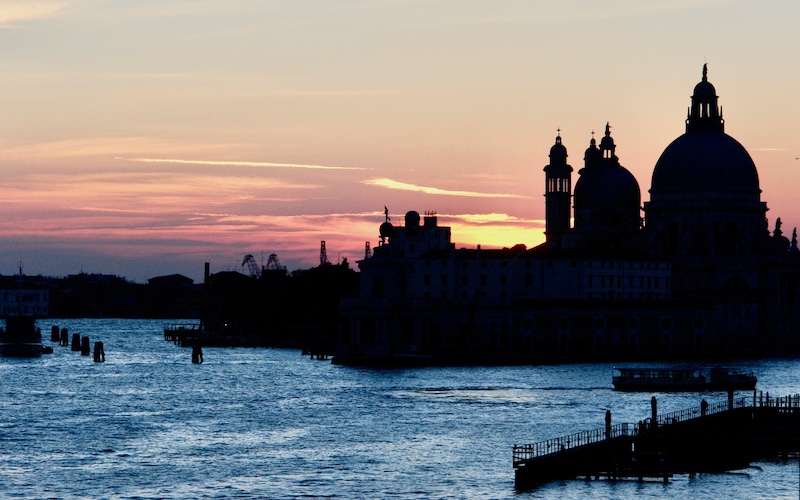
A few minutes’ stroll from Piazza San Marco on bustling Riva degli Schiavoni, this hotel has my favourite location in Venice. It began in 1853 as the Hôtel d’Angleterre, joined in 1865 by the neighbouring Istrian marble Beau Rivage – together they gave it the famous façade of 100 windows. Tchaikovsky composed part of his Fourth Symphony in room 106, and sunrise views over Saint Mark’s Basin to Palladio’s San Giorgio Maggiore are stunning.
Art Hotel Commercianti Bologna
In the early 12th century, this palazzo housed Bologna’s first city council. Later one of Bologna University’s most celebrated medieval legal scholars, Odofredo, lived and also taught classes here. From around 1250 it belonged to the Guild of Wine Barrel Merchants (see my Quadrilatero market guide for more on Bologna’s merchant guilds). Medieval vaulted ceilings and timber beams survive in some of the upper-floor rooms.
Palazzo dalla Rosa Prati Parma
Already standing in 1222 on Parma’s Piazza Duomo, this sienna-coloured palazzo was then home to the Adami family, whose son Fra Salimbene became one of medieval Italy’s great chroniclers. The Dalla Rosa Prati marquises refurbished it in the 18th century, giving it its neoclassical façade, and the family still lives on the first floor. Request a room overlooking the cream and pink Veronese marble of the 12th-century baptistery.
Four Seasons Florence
I avoid five-star hotel chains when travelling, but Florence is the exception. Here I love the luxuriously restored Palazzo della Gherardesca, built in the 1470s for Bartolomeo Scala – a miller’s son who rose to become chancellor of Florence in Lorenzo de’ Medici’s day. A Medici cardinal lived here before becoming Pope Leo XI, and some suites (especially on the piano nobile) have original Baroque frescoes and painted terracotta floors.
Grand Hotel Continental Siena
One of the most beautiful hotels I’ve ever stayed in, this 17th-century palazzo was a wedding gift from Pope Alexander VII to his niece Olimpia. Ask for a room on the piano nobile (the ‘noble’ or best floor of an Italian home where guests were entertained) with a frescoed ceiling and mezzanine. Today the restaurant sits beneath a glass roof over the palazzo’s original courtyard, and the wine cellar is tucked into the base of a medieval tower.
The Inn at The Spanish Steps Rome
This boutique hotel in a 17th-century townhouse overlooks Piazza di Spagna, one of Rome’s most beautiful squares. Rome is a wonderful city for food lovers and – on fashionable Via Condotti – ‘the inn’ is walking distance to everything you’ll want to see and everywhere you’ll want to eat or drink in Rome. It’s also opposite the Keats-Shelley House, a small museum of rare manuscripts and other items for lovers of English literature.
Hotel Sant’Angelo Matera
The wealthiest families in the World Heritage-listed city of Matera once built stone palazzi among the cave houses of the sassi’s poor – and Sant’Angelo’s rooms are divided between these and ones literally carved into the soft limestone ‘tufo’. The hotel is named for a small church that is now one of the cave rooms – while its Regiacorte restaurant recalls Matera’s court of justice, which once occupied one of the palazzo rooms.
Updated 25 Oct 2026
A palazzo hotel is a hotel in a palazzo – the Italian word for ‘palace’, which is used for any grand building, from a noble family’s town house to a medieval town hall or guild headquarters.
Many palazzi were built by noble or merchant families between the Middle Ages and the 18th century and converted into palazzo hotels in more recent times.
They often keep their original frescoes, coffered ceilings, marble staircases and courtyards, so guests sleep surrounded by centuries of history, usually right in the heart of the centro storico (historic centre of the city).
The piano nobile (‘noble floor’) – usually the first floor above the ground floor – is the most important floor of a palazzo. The ground floor traditionally held storerooms, shops or stables, and the upper floors, which were often small and stuffy, housed servants.
The family lived and received guests on the piano nobile, so it has the highest ceilings, the largest windows and the finest decoration, usually including frescoes, stuccowork and painted floors.
In a palazzo hotel, rooms on the piano nobile are usually the most beautiful.
Many Italian cities and towns charge a city tax – also called tourist tax, tassa di soggiorno or imposta di soggiorno (both mean ‘staying tax’). The amount varies significantly from city to city and is scaled based on the cost of the accommodation. It’s charged per person per night, children are often exempt, and many cities cap the number of nights charged.
Larger cities, like Rome, charge the most (up to about €10) while smaller cities or towns may charge as little as €1, and many provincial towns don’t charge a city tax at all or only charge one during the high season.
It’s generally paid directly to the hotel, often at check-out, and is frequently excluded from prepaid room rates. Some hotels will request it in cash, as they must remit it directly to the local authorities, but most will agree to credit card payments.
The tourist tax is meant to help offset the cost of providing services (garbage collection, public toilets, parks etc.) for visitors who are not otherwise contributing to this via rates and other taxes, as well as being used to help preserve monuments, museums and other historic sites.
Increasingly the tax has evolved from a simple revenue generator into a tool for managing overtourism, and some places, such as Venice, are now also charging ‘day-tripper’ taxes to recoup some of the infrastructure costs from visitors who don’t contribute to the local economy by staying overnight.