Top Wine Regions in Veneto

The Veneto is Italy’s most prolific wine-producing region – hardly surprising given it’s home to the popular sparkling wines of Prosecco and whites of Soave plus the iconic reds of Valpolicella.

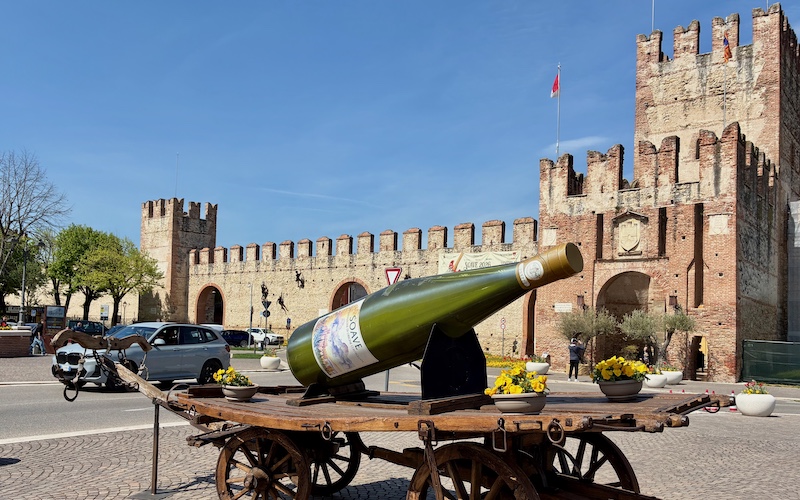
Top Wine Regions in Veneto - Soave - HERO

There are many smaller appellations too – lesser known outside Italy, but appreciated locally – including the Bardolino reds and Lugana whites from the shores of Lake Garda in the west, whites and reds of Colli Euganei near Padua, and the whites of Lison in the east near Friuli. Then there are those who’ve chosen to step outside the restrictions of the appellation system altogether, producing wines categorised under their broader provincial name or simply as Veneto IGT. Here’s a taste of the top wine regions in Veneto and my pick of the best Venetian wineries to visit in each one – scroll down to the FAQ below for more detailed explanations of the appellations and their grapes.

Top Wine Regions in Veneto - Valpolicella - Massimago

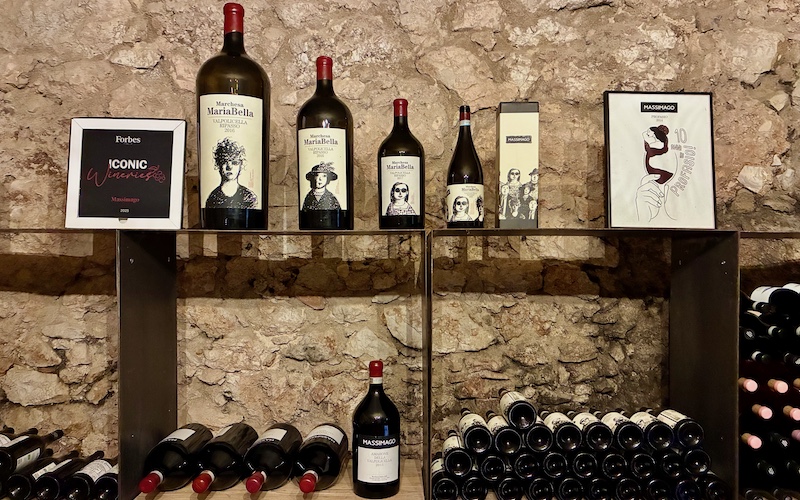
Valpolicella Massimago
Unlike most of the staid, male-dominated Valpolicella wineries, Massimago’s young team is led by the vivacious Camilla Rossi Chauvenet. When Camilla took over her family’s winery in 2003, she was determined to lift Valpolicella into the 21st century with lighter styles and fun labels – her slew of awards is evidence that she’s succeeding. Alongside her flagship Valpolicellas, she has a lovely garganega, sparkling rosé and delicious col-fondo amber.

Top Wine Regions in Veneto - Prosecco - Adami

Prosecco Adami
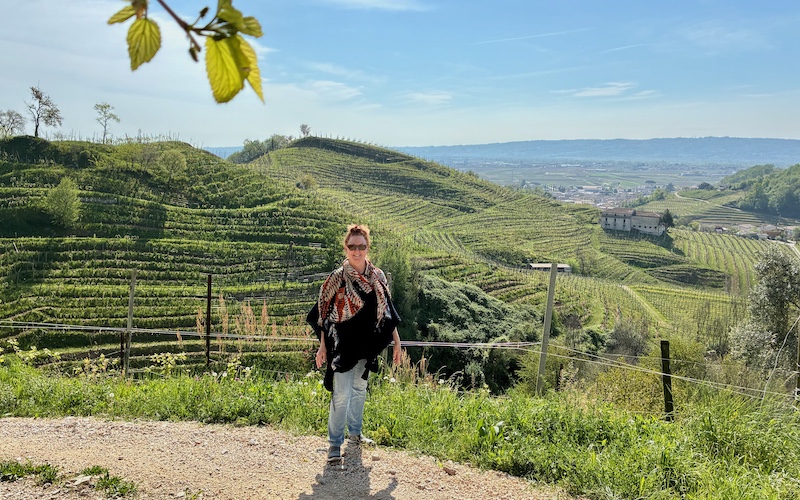
The UNESCO-listed vineyard-covered hills around Valdobbiadene produce Prosecco far superior to the fizz of the plains. Here, in 1933, Abele Adami made the first single-vineyard Prosecco (now Adami’s flagship Tre Bicchieri Vigneto Giardino). Today his grandchildren and great-grandchildren blend wine from 34 individual vineyards and conduct their second fermentation in over 100 small batches throughout the year to ensure freshness.

Top Wine Regions in Veneto - Soave - Suavia

Soave Suavia
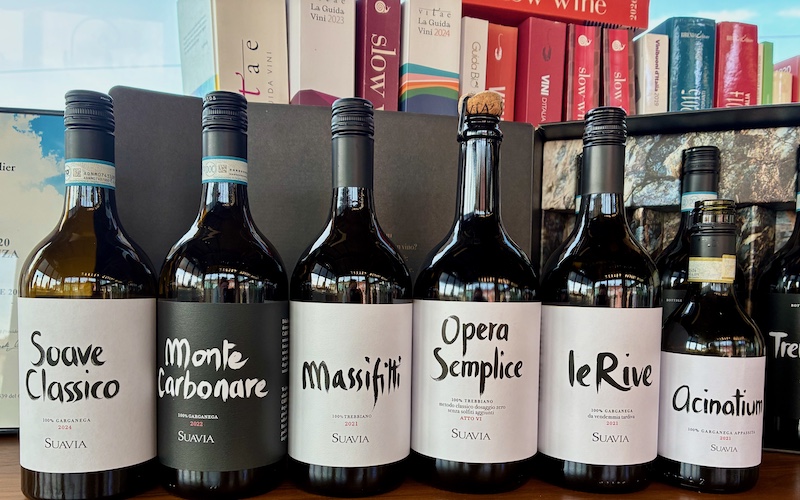
Most Soave is pleasantly quaffable wine made on the plains around Verona from the required 70% garganega blended with cheaper trebbiano and chardonnay. At around 300m, in the steep volcanic Soave Classico sub-zone, Alessandra Tessari and her sisters make 100% garganega Soave as well as 100% trebbiano still and sparkling wines, and a lush garganega passito dessert wine, under their label Suavia (the Roman name for the region).

Top Wine Regions in Veneto - Anselmi PIWI Wines

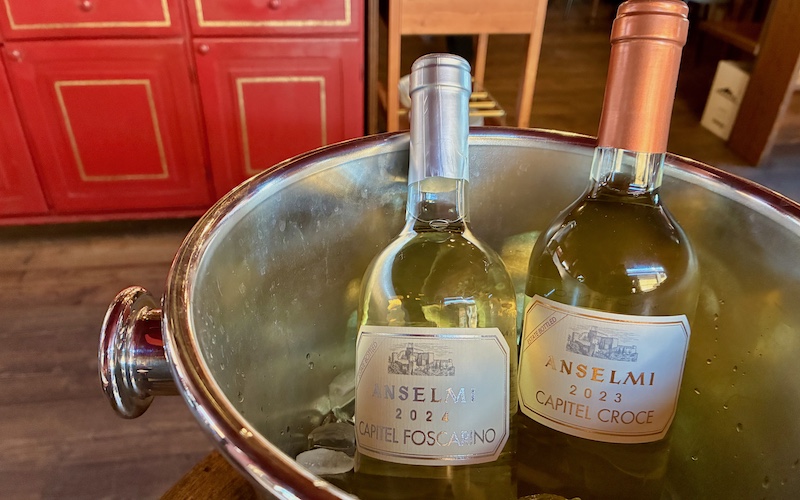
PIWI Grapes Anselmi
Just down the road from Suavia, Roberto Anselmi produces wines from garganega blended with fungus-resistant PIWI varietals (see FAQ below for more detail). In 2000, Roberto controversially left the Soave appellation to make what he believes are the best possible wines without the restrictions (like Chianti’s Super-Tuscans). Lisa’s nearby wine bar, Enoteca Realda, is a great place to try her family’s wines with delicious food.

Top Wine Regions in Veneto - Venetian Lagoon - Venissa on Mazzorbo

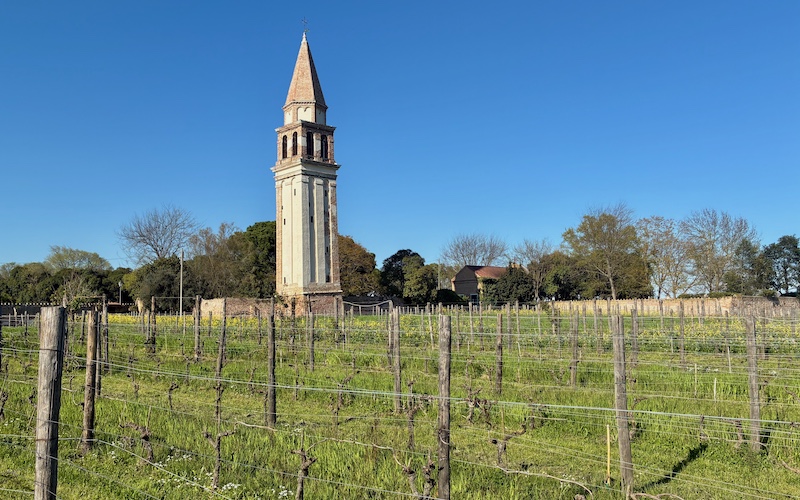
Wine of the Venetian Lagoon Venissa
The Venetian lagoon is home to one of the world’s rarest grapes: Dorona, which adapted to the salinity of the frequently flooded land over more than 2,000 years. After the 1966 floods wiped out Venice’s vineyards, it was thought to be extinct, until a few vines were discovered in 2002. Now just one hectare exists globally, almost all of it in the walled vineyard on the island of Mazzorbo, with a few smaller plantings around the lagoon.

Published 26 Jul 2026

Tiramisu: Veneto's Favourite Dessert

Wine Regions of Veneto FAQ

What wine is Veneto best known for?

Veneto produces more DOC wine than any other Italian region, and is best known for three wines: Prosecco, Soave and Valpolicella (including Amarone and Ripasso), alongside smaller but well-regarded appellations like Bardolino, Lugana, Colli Euganei and Lison.

Does Veneto have DOC, DOCG and IGT wines?

DOC (Denominazione di Origine Controllata) and the more tightly regulated DOCG (the ‘G’ indicating ‘Garantita’) are Italy’s highest protected appellation categories. They’re tied to defined zones and rules – and Veneto has both, often within the same area. For example Valpolicella has DOC appellations for the standard wine, Ripasso and Superiore – and DOCG for Amarone della Valpolicella and Recioto della Valpolicella. Soave DOC is produced in a much larger area (typically on the flat, high-yielding valley floor) than the Soave Superiore DOCG reserved for the best wines from the hills of the Soave Classico and Colli Scaligeri sub-zones. IGT (Indicazione Geografica Tipica) is a broader, more flexible regional designation – used by producers who want to work outside DOC restrictions, or for wines like Dorona di Venezia, whose historic lagoon terroir falls outside standard DOC zoning.

What grapes is Valpolicella made from?

Corvina (or corvina Veronese), corvinone and rondinella are the three core grapes used across all Valpolicella wines. Molinara, the traditional fourth variety, has been optional since 2003 and is less used today.

How are Valpolicella wines classified?

There are five tiers of Valpolicella:

  • entry-level Valpolicella DOC;
  • Valpolicella Ripasso DOC;
  • the longer-aged, higher-alcohol Valpolicella Superiore DOC;
  • Amarone della Valpolicella DOCG, made from partially-dried grapes; and
  • sweet Recioto della Valpolicella DOCG, also made from partially-dried grapes.

How is Amarone made?

Amarone’s defining technique is appassimento: after harvest, grapes are laid out to dry for months – traditionally in a ventilated drying loft called a fruttaio – losing water and concentrating sugar, flavour and body. Under appellation rules, they can’t be pressed until at least 1 December, and most producers wait longer. That concentration gives Amarone its higher minimum alcohol (14%), deep colour, dried-fruit character and long ageing potential.

How is Ripasso made? How is Ripasso different from regular Valpolicella?

Valpolicella Ripasso gets a second pass through the leftover skins and lees from Amarone fermentation – it’s literally ‘re-passed’, which is what the name means. Once the Amarone grapes are pressed off, the still-fermenting base Valpolicella wine is run back over those skins for a second maceration, picking up extra tannin, colour, body and a touch of dried-fruit richness, along with higher alcohol. The result sits between base Valpolicella and Amarone in weight and price – hence its nickname, ‘baby Amarone’.

What is Recioto della Valpolicella?

Recioto della Valpolicella is Valpolicella’s sweet wine. It’s made from grapes dried the same way as those for Amarone, but fermentation is stopped before the yeast has converted all of the grape sugars to alcohol. This residual sugar gives it a pleasantly sweet flavour that works beautifully with desserts and cheeses.

What are Bardolino wines like?

On the eastern shore of Lake Garda, Bardolino is Valpolicella’s sister appellation, sharing the same corvina, rondinella and molinara grapes. It produces light, fruity reds, plus the increasingly popular Bardolino Chiaretto rosé, which holds its own DOC.

What's the difference between Prosecco and glera in Italy?

In Italy, glera is the name of the grape and Prosecco is the wine region’s protected name. Until 2009 the grape itself was called prosecco, but when Conegliano-Valdobbiadene was elevated to DOCG that year, Italy renamed the grape glera and reserved ‘Prosecco’ exclusively for wine made within the designated Italian zone.

Can prosecco be made outside Italy?

When Italy renamed the prosecco grape ‘glera’ in 2009, Australian producers – who’d been growing the same grape under its original name in Victoria’s King Valley since the late 1990s – did not follow suit. This created a point of ongoing dispute between the two countries until an EU–Australia trade agreement was announced in 2026. The agreement allows Australia to indefinitely use ‘prosecco’ on wine sold domestically and to phase out its use on exported wine over a 10-year period. So you will still find Australian wine labelled ‘prosecco’.

What's Soave made from?

The Soave DOC appellation rules require a minimum 70% garganega, which can be blended with up to 30% trebbiano di Soave, chardonnay, or up to 5% of other approved local white varietals.

How much Soave does Italy produce? How much Soave does Italy export?

Italy produces around 40 million bottles of Soave annually (up to 50 million some years), though only around 20–25% come from the higher-quality Classico sub-zone in the volcanic hills above the alluvial plains of the valley floor where the majority is grown. Soave is Italy’s most widely exported DOC white wine with around 80% sent to foreign markets.

What’s the difference between Soave Classico and Soave Superiore DOCG?

Soave Classico is a geographic indicator for wine produced from grapes grown in the original heartland of Soave – the ancient zone on the slopes of the volcanic hills between the towns of Soave and Monteforte d’Alpone. Soave Classico can be either DOC or DOCG (see below).

Soave Superiore DOCG can come from either the Classico sub-zone or the adjacent Colli Scaligeri sub-zone. The DOCG rules are far more stringent than those of the DOC – especially around yield, which is a third lower – and require a minimum 6 month aging before release.

While Soave Classico accounts for around 20–25% of total Soave production, only about 1% of all Soave is designated Soave Superiore DOCG.

What are the main classifications used in Soave?

Soave has two quality classifications (DOC and DOCG), two geographic classifications (Classico and Colli Scaligeri), a ‘Riserva’ classification indicating minimum age, and two classifications referring to wine styles (sparkling and sweet). As these are used in combination, this creates a number of variations:

Still, dry white wine may be labelled:

  • Soave DOC, Soave Classico DOC, Soave Colli Scaligeri DOC; or
  • Soave Superiore Classico DOCG, or Soave Superiore DOCG (if made from Colli Scaligeri or a blend of Classico and Colli Scaligeri grapes);

Three additional classifications are:

  • Soave Superiore Classico DOCG Riserva, or Soave Superiore DOCG Riserva – wines aged at least 24 months, including minimum 3 months in the bottle;
  • Recioto di Soave Classico DOCG, or Recioto di Soave DOCG – the sweet wines of Soave and the first Soave wine to achieve DOCG status (in 1998). Grapes are partially-dried before pressing to concentrate sugars and other flavours and only 5% chardonnay or other varietals is permitted in the garganega (min. 70%) and trebbiano di Soave blend; and
  • Soave Spumante DOC – sparkling wines made from grapes grown under the Soave DOC rules by either charmat (tank) or the traditional bottle-ferment method.

Additionally, Recioto di Soave Classico Spumante DOCG exists but is exceedingly rare. It is the only Soave sparkling wine to indicate a sub-zone or carry a DOCG appellation.


What does PIWI stand for and what are PIWI grapes?

PIWI is an abbreviation of the German ‘Pilzwiderstandsfähige Rebsorten’, meaning ‘fungus-resistant grape varieties’. You can see why they shortened it to PIWI. PIWI grape varieties are created by crossing European vines (Vitis vinifera) with non-vinifera American or Asian ones. Popular examples include white souvignier gris and johanniter, and red regent and cabernet cortis.

Why are PIWI grapes used?

PIWI grape vines need far fewer pesticides and sulphur treatments, making them a more sustainable choice for vine growers. Modern breeding has produced varieties capable of genuinely fine wine – not just disease resistance – so PIWI grapes are becoming increasingly popular as a more environmentally-friendly way to produce delicious wines.

Was the dorona grape of Venice extinct?

Dorona di Venezia was once the dominant grape of the Venetian lagoon – a vineyard even grew in Piazza San Marco until around 1100 AD – but was believed to be extinct after the 1966 ‘acqua alta’ (high water) floods destroyed the lagoon’s vineyards. In 2002, Gianluca Bisol (of the Bisol Prosecco family) discovered surviving vines in a private garden on Torcello, then a few others across Torcello and nearby islands. He now cultivates dorona at his Venissa vineyard on Mazzorbo, making him effectively the sole commercial producer of any scale, though a few smaller plantings survive elsewhere around the lagoon including on Sant’Erasmo. Because its historic lagoon terroir falls outside standard DOC zoning, Dorona is classified as Veneto IGT rather than under a dedicated appellation.

Is Lugana a grape variety or a wine region?

Lugana is an area, not a grape. It’s a DOC zone on the southern shore of Lake Garda, straddling Veneto and Lombardy. Its wines are made from turbiana – long thought to be a clone of trebbiano di Soave, though DNA testing has now shown it’s a distinct varietal – producing crisp, minerally, citrusy whites.

What is Lison wine?

Lison DOCG, in eastern Veneto, is dedicated to dry, still white wines made from a minimum 85% friulano (historically called tocai friulano or tai), with its own Classico sub-zone. Straddling Veneto and Friuli-Venezia Giulia, Lison is the only Italian DOCG with a production zone spanning two regions.

What makes Colli Euganei wines distinctive?

The volcanic hills of the Colli Euganei near Padua produce one of Veneto’s most diverse wine line-ups, ranging from aromatic Fior d’Arancio Moscato DOCG to premium reds and whites. While the wider Veneto region is dominated by flat alluvial plains, these steep slopes offer ancient, mineral-rich volcanic soils that give both native and Bordeaux varieties a uniquely intense, flinty character.

What Other Travellers Say

Janet (Tamworth, NSW, Aus.)
Just back from the most amazing trip to Emilia-Romagna with Roberta. Not only the home of Prosciutto di Parma, Parmigiano-Reggiano & Balsamic Vinegar, but scenery to die for and more quaint and exciting restaurants and cafés than you ever imagined. And Roberta is just the person to help you discover and enjoy them! Her knowledge of the history of the region and its wonderful cuisine know no bounds and all added to the excitement of the trip. It was faultless - well organized and lots of fun!
Deb (Belconnen, ACT, Aus.)
Wow, what a tour – I learned so much! Awesome fun traveling through Emilia-Romagna experiencing first hand some of the produce I've worked with over the last couple of years cooking with Roberta's recipe kits – the family are reaping the benefits now. If you're thinking of joining Roberta in future years get ready for an amazing experience.
Mark (Elizabeth Bay, NSW, Aus.)
My wife and I recently joined Roberta's Emilia-Romagna tour. We enjoyed all the temptations offered and learned a lot about that part of Italy, especially its food and wine culture. What was most impressive was Roberta's local knowledge of people and places. The planning and effort she put into making the whole experience seem effortless was remarkable.
Karen (Bowral, NSW, Aus.)
Our tour with Roberta through Emilia-Romagna was the highlight of the year. Good company, gorgeous palazzi and great food. What more could one ask for? Roberta's enthusiasm and knowledge made this a once in a lifetime experience through an extraordinary, diverse and very special region.
Shelley (Auckland, NZ)
Roberta’s passion for Italy shone throughout an unforgettable food and wine tour. She introduced us to family-owned artisanal producers, where we experienced everything from attic-aged balsamic to small-batch wines, Parma ham and Parmigiano-Reggiano. The local guides were equally passionate, and the excellent transport and accommodation made the trip effortless. This tour captured the region’s traditions, flavours and people, and thanks to Roberta’s deep knowledge we left with wonderful memories. A truly authentic culinary adventure — highly recommended.
Subscribe To My Newsletter & Get A Free Online Italian Cooking Class (RRP $39)