I love Italy’s wonderful regional diversity; friendly, hospitable people who know how to enjoy life; and simple, delicious food and wine. Every time I go, I make new discoveries, so this isn’t a definitive list of the best restaurants in Italy …
… just the ones I currently can’t wait to get back to. Some are frequented by tourists as well as locals and some are hidden gems. Some may get a Michelin mention and others just fly quietly under the radar doing what they do so well. All deliver food, wine and service that make them my ‘best restaurants in Italy’.
Antica Trattoria del Gallo Clusane (Lombardy)
This busy restaurant on Lago d’Iseo – just over an hour from Milan – is a series of rooms in an ancient building, full of locals digging into fish from the lake. A glass of Franciacorta (this is the region for it) and seafood antipasti is a great way to start. Followed by tench, perch (I like it crumbed), eel, or one of the other freshwater fish, ideally with a side of polenta cut with a string from a huge mound on a trolley wheeled from table to table.
Trattoria al Gatto Nero Burano, Venice (Veneto)
Max – the third generation of his family to run ‘the black cat’ on Venice’s colourful island of Burano – guides guests through a menu of lagoon-fresh seafood, while his father Ruggiero is in the kitchen. Seasonal seafood antipasto is a meal in itself, with the likes of king scallop in tomato sauce, tiny black mussels or razor clams in garlicky olive oil, steamed mantis prawns, octopus salad, and baccalà of snapper. Some of the best Venetian risotto too.
Ristorante Cocchi Parma (Emilia-Romagna)
One of Parma’s oldest restaurants is also one of its best with delicious traditional food, a deep and wonderful wine list and friendly professional service. I love a table in the atmospheric wine cellar. In a town where virtually every meal starts with a plate of salumi, it’s hard to find one that stands out – but here it’s all made from Parma’s famed black pigs and is the best I’ve had. Pasta is exceptional too as is the tagliata of rare Fassona beef.
Ristorante Buca Mario Florence (Tuscany)
Locals and tourists alike love this wonderfully atmospheric cellar restaurant in Florence’s centro storico (old city), with waiters who know how to turn on the Italian charm. This is the place to experience classic Tuscan cooking, from ‘la ribollita’ (bread and bean soup) and bistecca Fiorentina – ordered by weight and carved tableside – to luscious fresh egg pasta and a memorable dessert trolley.
Osteria la Gensola Rome (Lazio)
This simple, family-run osteria on a cobbled piazza in bohemian Trastevere serves Sicilian and Roman dishes. Seafood arrives daily from the south coast and desserts, including an authentic cassata, come from Sicily twice a week. I dream of the deep-fried artichokes (carciofi alla giudìa), superb tiny tuna meatballs in a tomato and smoked provola sauce and the best rigatoni coda alla vaccinara in pasta-loving Roma.
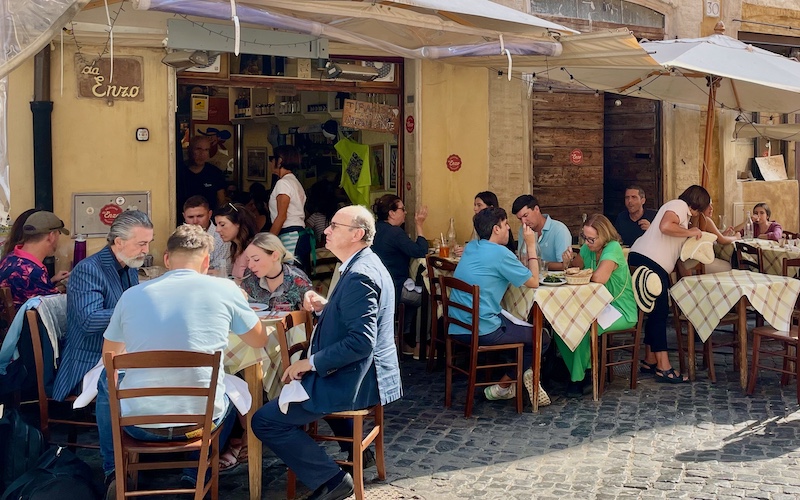
Da Enzo al 29 Rome (Lazio)
I hate queuing and virtually never go to a restaurant where I can’t book – this rustic trattoria in Trastevere is the exception! Their carciofi alla Romana are one of the best things I’ve ever eaten, along with a simple green radicchio salad with puntarelle anchovy dressing and superb fried zucchini flowers. Produce is grown on their own farm just outside Rome. Arrive by 11:45am on a weekday and you won’t wait too long. It’s worth it!
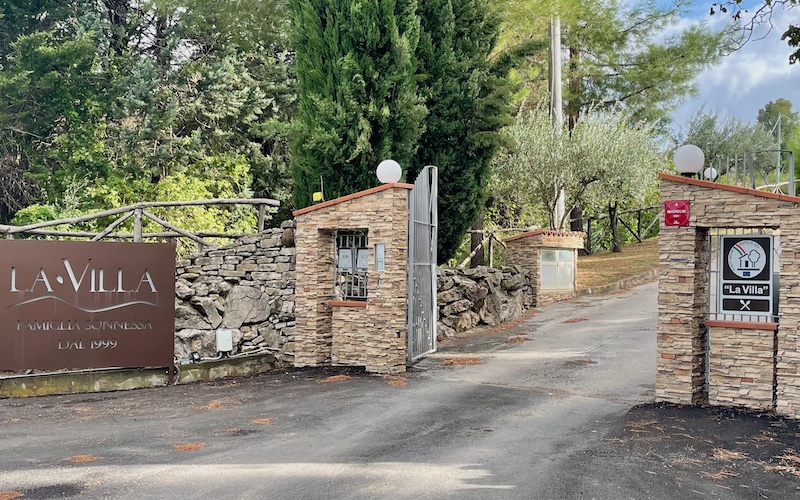
La Villa Melfi (Basilicata)
Michele Sonnessa opened this agriturismo (farm-restaurant) in the small town of Melfi in northern Basilicata in 1999. Today one son, Vito, is in the kitchen with Michele, while his brother Gabriele runs front-of-house. The menu is surprisingly modern Italian, yet deeply rooted in the ingredients and traditions of the region. One of the tasting menus (3, 4, 7 or 10 courses) with paired wines is the best way to explore the local cuisine.
Updated 25 Oct 2026
Italians eat dinner later than in some other countries. Many restaurants don’t open until 7:30/8pm. Earlier opening times are often for tourists.
While Italians often share food (such as antipasti), pizza is usually ordered one per person. Especially at lunchtime, pizza al trancio (by the slice) is popular.
It’s a compliment to the chef if you mop up the sauce on your plate with a piece of bread. This is called scarpetta.
Even for a quick meal, Italians show their respect for the food and the cook who’s prepared it by taking their time to sit and enjoy it, usually with a glass of wine and a coffee to finish.
It’s easy to eat well in Italy – and affordably – even in towns with lots of tourists, if you follow a few simple rules.
Most Italian restaurants list a cover charge (coperto) on their menus and bills, which includes oil and other condiments placed on the table – and usually bread too (often written as ‘pane e coperto’).
The exception is Lazio, including Rome, where a 2006 regional law bans coperto – though many restaurants charge for bread (pane) instead. Others get around it by charging ‘tovagliato’, a fee that covers the linen (tablecloth and napkins), which is permitted.
Tipping in Italy is a thank-you rather than an obligation, as table service is built into restaurant prices.
If the bill shows ‘servizio incluso’ (more common in touristy areas), service is already covered. Otherwise, Italians usually round up the bill or leave a few euros – up to 10% for great service.
Generally, it’s about degree of formality, and can often give a clue to pricing too.
Traditionally, a ristorante is the most formal, with a longer menu, a wine list and polished service.
A trattoria is a casual, often family-run restaurant, serving home-style regional dishes. The plural of trattoria is trattorie.
Historically, an osteria (plural: osterie) was an inn or tavern where travellers stopped for a glass of wine, often bringing their own food. Osteria del Sole, which has been pouring wine in Bologna’s Quadrilatero market district since 1465, continues this tradition, serving only drinks and encouraging patrons to bring their own food from surrounding shops.
Today the lines have blurred and many smart restaurants call themselves osterie to indicate cooking founded in authentic regional traditions – for example Massimo Bottura’s Michelin-starred Osteria Francescana. So now the name is a clue rather than a rule.

A traditional Italian meal has four courses:
Today Italians don’t typically eat four courses at every meal – a primo and a contorno, or an antipasto and a secondo, is a perfectly normal meal, especially for lunch.