While Campania isn’t an Italian region you may immediately know by name – like Tuscany or Sicily – every food lover knows its most famous produce.
From the creamy, sweet, lactic mozzarella di bufala made on the fertile Volturno Plain around Caserta since at least the 12th century, to the thick-skinned sfusato lemons of the Amalfi Coast and the limoncello made from them – Campania food is loved worldwide. Naples is the home of pizza, and the San Marzano tomatoes grown in the mineral-rich soil of nearby Mount Vesuvius are essential for an authentic pizza Napoletana, and perfect in the sauce for the bronze-extruded pasta of Gragnano, just south-east of Naples in the Lattari Mountains. The Romans dubbed this southern Italian region Campania Felix – meaning ‘happy countryside’ – for its volcanic soils and abundant harvests. It was home to Copper and Bronze Age societies, as well as Greeks and Lucanians, before the Romans arrived, and is one of Italy’s richest archaeological areas, well beyond Pompeii and Herculaneum. Campania is also one of Italy’s oldest wine-producing regions, from the aglianico of Taurasi in the Apennines (dubbed ‘the Barolo of the South’) to mineral-driven, textured whites like Fiano di Avellino and Greco di Tufo. Lacryma Christi del Vesuvio, made from grapes grown on the slopes of Mount Vesuvius, are white, rosé and red wines, mostly blends, dating back to Roman times.
Where to Stay in Pompei Bosco de’ Medici Resort
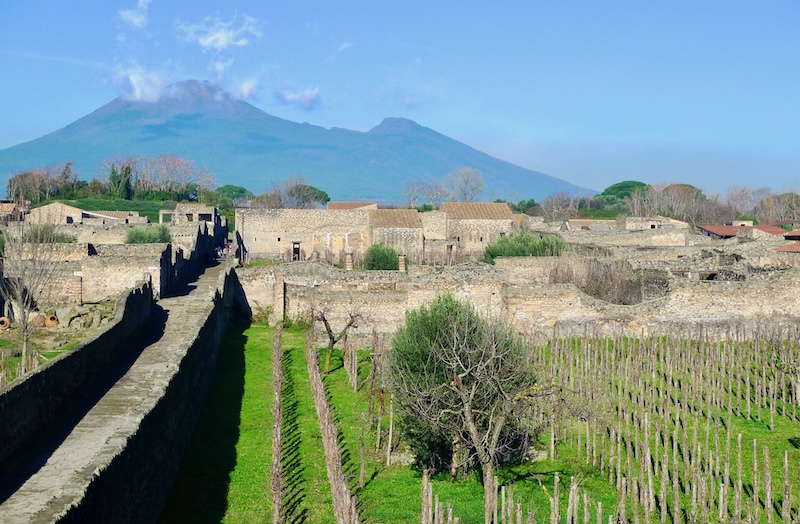
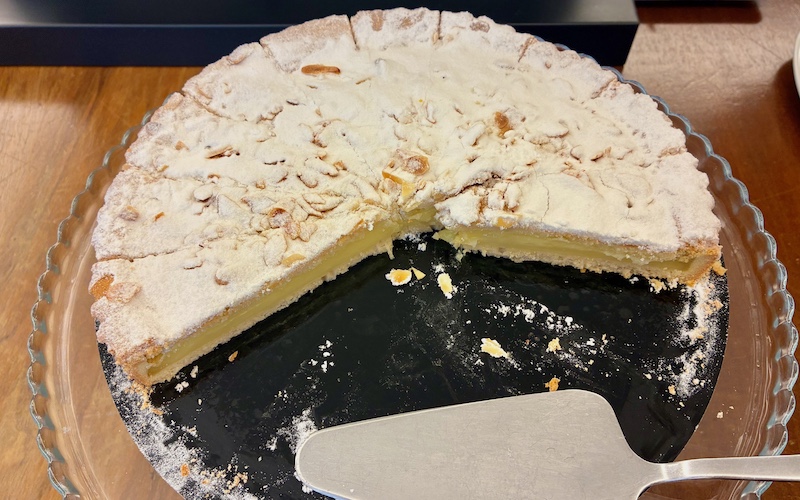
This comfortable motel-style resort borders the ruins of Pompeii and has great views of Vesuvius from the pool – and excellent torta della Nonna at breakfast. A golf cart tour of the estate includes the vegetable garden and one of Pompeii’s most remarkable recent discoveries: the tomb of Marcus Venerius Secundio, a freed slave who rose to prominence in the city’s final decades before Vesuvius blew, excavated right on the resort’s property.
Where to Dine in Naples Umberto 1916
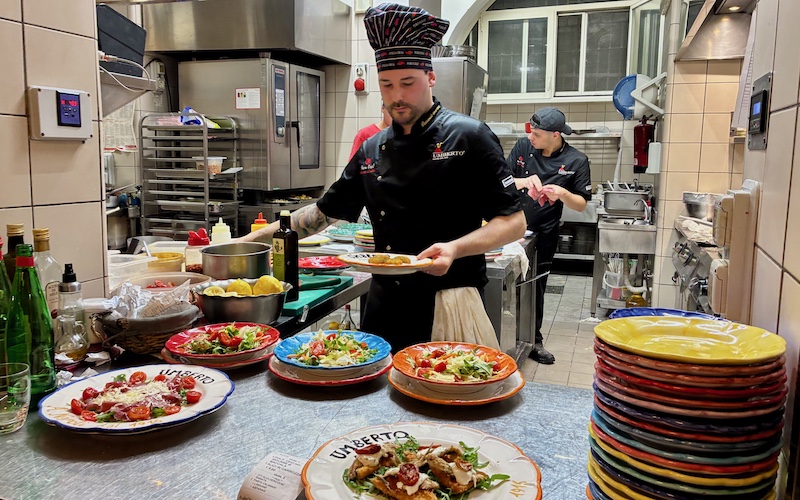
This trattoria a short stroll from the Bay of Naples has been serving Neapolitan classics on bright hand-painted ceramics since 1916. There’s mozzarella in carrozza, parmigiana di melanzane, pizza Napoletana verace and a trio of Nonna’s meatballs (steamed, fried and baked) with spicy friarielli greens. The dining rooms, decorated with colourful artworks of Vesuvius, are buzzing with happy groups of family and friends.
Where to Lunch in Caserta Caseificio Leuci
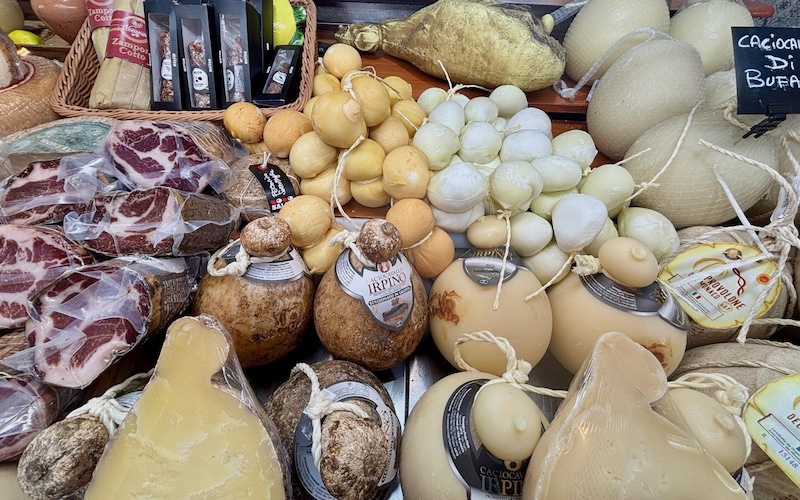
Caserta, north of Naples, is one of Italy’s most important provinces for cheese and salumi (see FAQ below). At Caseificio Leuci, just outside the town of Caserta, staff assemble panini to order filled with your choice of mozzarella di bufala, caciocavallo, prosciutto, capocollo and other regional specialties – to take away or enjoy at the long communal table surrounded by shelves of preserved vegetables, sauces and other Italian goodies.
Where to Eat in the Amalfi Hinterland Ristorante Zi’Ntonio
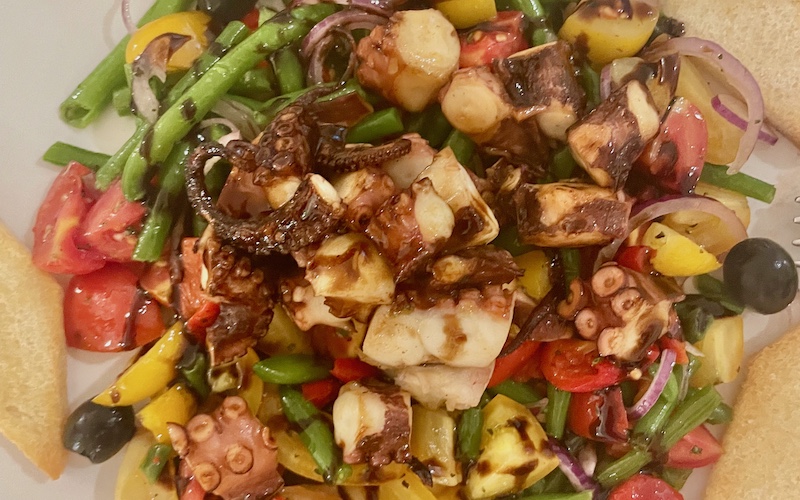
This restaurant is next door to my favourite Amalfi Coast hotel. Run by a cousin of the family who own Hotel Zi’Ntonio, it shares the view, the name and the glorious organic produce that Pappa Ciccio grows in the terraced garden beds across the road. This large, casual restaurant has friendly service and typical Amalfitana dishes, including an excellent warm octopus and potato salad. It opens seasonally, so bookings are recommended.
What to Drink in Campania Bosco de’ Medici Wines
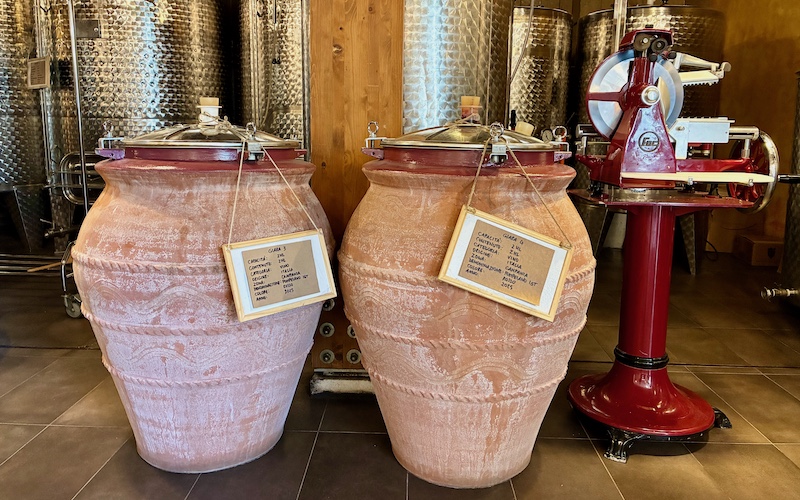
The winery on the Bosco de’ Medici estate produces organic wines from indigenous vines, some over 100 years old. Phylloxera, which destroyed up to 90% of Europe’s vineyards in the 1800s, can’t travel through volcanic soil – making local vines among the oldest anywhere. A sommelier-guided lunchtime tasting is a fun way to try these wines, including Lacryma Christi del Vesuvio. Discover Tramonti wines in my Amalfi food lovers’ guide.
What to See in Campania Pompeii
While southern Italy, especially Campania, is full of ancient ruins, none are more impressive than locked-in-time Pompeii. Engulfed by ash and pumice when the top blew off Mount Vesuvius in 79 AD, a 2,000-year-old takeaway shop stands just as it did on that fateful day. A ‘beware of the dog’ mosaic graces the entrance to a house, and the brothel district is better seen than described. See it with a good guide, like archaeologist Roberto Muso.
Published 20 Oct 2026
Pizza as we know it today was born in Naples in the 18th century.
It evolved as a cheap, fast street food to feed the city’s huge population of labourers. Although people had been eating flatbread with olive oil, herbs and various toppings for millennia, the Neapolitans were among the first Italians to embrace the New World tomato – which grew very well in the rich volcanic soil around Mount Vesuvius but was viewed with suspicion by many.
In 1889, tradition says, pizzaiolo Raffaele Esposito made a tomato, mozzarella and basil pizza – the colours of the new Italian flag – for visiting Queen Margherita of Savoy. Pizza Napoletana – in its two variants Margherita (tomatoes, Mozzarella di Bufala Campana DOP or fior di latte, basil) and cheese-free Marinara (tomatoes, garlic and oregano) – is the only pizza in Italy protected by an EU appellation, STG (Traditional Specialty Guaranteed).
In 2017 UNESCO added the art of the Neapolitan pizzaiuolo (Neapolitan dialect for pizzaiolo or pizza-maker) to its Intangible Cultural Heritage list.

Mozzarella di bufala is a fresh stretched-curd cheese made from buffalo milk. It originated in the southern Italian region of Campania after Indian water buffalo were introduced from Sicily in the 11th century as draught animals. Their descendants have grazed the plains around Caserta ever since.
Buffalo milk has around twice the fat of cow’s milk and more protein, so cheese made from it is richer and creamier. Buffalo convert carotene into vitamin A, so their milk is pure white and buffalo mozzarella is much whiter than cream-coloured cow’s milk mozzarella (fior di latte).
Mozzarella di Bufala Campana is the protected DOP name for the mozzarella of Campania, which must be made from whole buffalo milk processed within 60 hours of the first milking. It has a very fine rind and stays springy for only 8–10 hours before gradually softening, so it should be eaten the day it’s made and is a treat best enjoyed on location in Campania.
The town of Caserta is famous for the Reggia di Caserta, a vast Bourbon royal palace of some 1,200 rooms designed by Luigi Vanvitelli and now a UNESCO World Heritage site that many say rivals the Palace of Versailles.
Food lovers, however, know the province of Caserta for its Mozzarella di Bufala Campana, Caciocavallo Silano from the foothills of the Matese mountains and salumi made from semi-wild black Nero Casertano pigs that forage in the woods for chestnuts and acorns – Italy’s answer to Spanish Ibérico.
Friarielli is the Neapolitan name for the slightly bitter leafy green related to broccoli that is called cime di rapa in Puglia, broccoletti in Rome and broccoli rabe or turnip tops in English.
In Naples it’s traditionally pan-fried with garlic and olive oil and used as a topping on pizza, in a panino or as a side dish, especially with sausage. A local saying – ‘a sasiccia è ’a morte d’ ’o friariello’ – means that sausage would die without friarielli.
Elsewhere in Italy, friarielli refers to small, sweet peppers that are typically served pan-fried like Spanish Pimientos de Padrón.
San Marzano tomatoes are long, sweet plum (or egg-shaped) tomatoes protected by a DOP appellation as Pomodoro San Marzano DOP.
Only San Marzano tomatoes grown in the volcanic soils of the plain around the River Sarno (the Agro Sarnese-Nocerino), between Naples and Salerno south of Vesuvius, can carry the name.
With thick flesh, few seeds and low acidity, they’re prized for sauces and favoured by many pizzaioli for pizza Napoletana.
Gragnano pasta is dried durum wheat pasta from the town of Gragnano in the Lattari Mountains of Campania. It is considered by many to be the finest dried pasta in the world and has held IGP protected status in Europe since 2013.
The town’s family pasta makers date back to the 16th century, and in 1834 an urban plan redesigned its streets so the sea and mountain breezes would dry pasta hung outdoors.
Today Pasta di Gragnano IGP must be:
Lacryma Christi – the name of the wine made from grapes grown on Mount Vesuvius – literally means ‘tears of Christ’.
Local legend tells that when Lucifer was cast out of heaven he stole a piece of it to take with him and used it to create the Bay of Naples. Christ wept at the loss, and where his tears fell on Mount Vesuvius, vines grew.
Lacryma Christi del Vesuvio, established in 1983, is the stricter sub-designation of the Vesuvio DOC. The wines are mostly blends, but can be single varietals, with the whites mainly caprettone and/or coda di volpe with some falanghina, verdeca or greco, and the reds and rosés based on piedirosso, often blended with aglianico or sciascinoso.