Scotland’s gentler east coast draws fewer visitors than the dramatic sea lochs and Highland mountains of the west coast — and in some ways that’s part of its appeal.
Open clifftop views, wide North Sea skies, and a string of stone-built fishing villages that have worked this coastline for centuries, make a drive up the east coast one of Scotland’s most rewarding – yet least-discovered – road trips. South of the Moray Firth, this is Lowland Scotland: Scots-speaking farming and fishing country, shaped not by the clan system but by the sea, the land and a fierce local pride that survives in its own distinct dialect, Doric, still spoken across Aberdeenshire today. The most scenic approach follows the coast north from Arbroath — past the red-sandstone cliffs of Dunnottar and the pretty harbour villages of the Aberdeenshire coast — before cutting inland to Speyside, where the River Spey drains south from the Cairngorms through some of Scotland’s greatest whisky country. The Spey meets the sea at the Moray Firth, so coast and whisky country are closer than you might think — and together they make a compelling and largely undiscovered journey.
Stay in Speyside The Craigellachie Hotel (Aberlour)
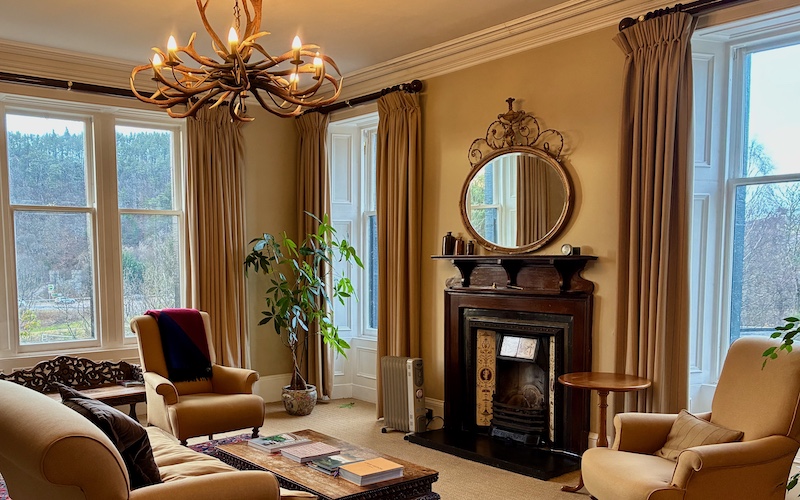
Built in 1893 beside the railway that brought whisky merchants to Speyside, The Craigellachie sits in the heart of a region producing over 60% of Scotland’s single malts – with more than 50 distilleries on its doorstep. Rooms are spacious and well-appointed, many with lovely Spey Valley views. The plush Quaich Bar stocks over 700 single malts, and the hotel is home to The Spey Inn, Scotland’s oldest drovers’ inn, founded in 1703.
Eat On Scotland’s East Coast The Pennan Inn (Pennan)
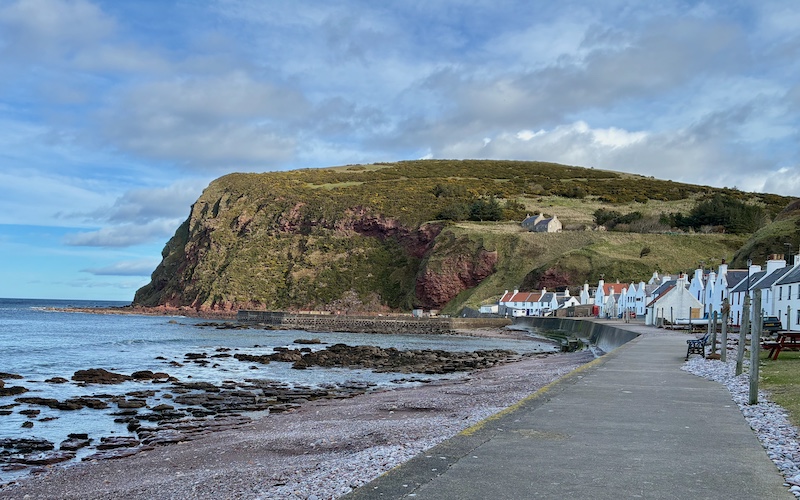
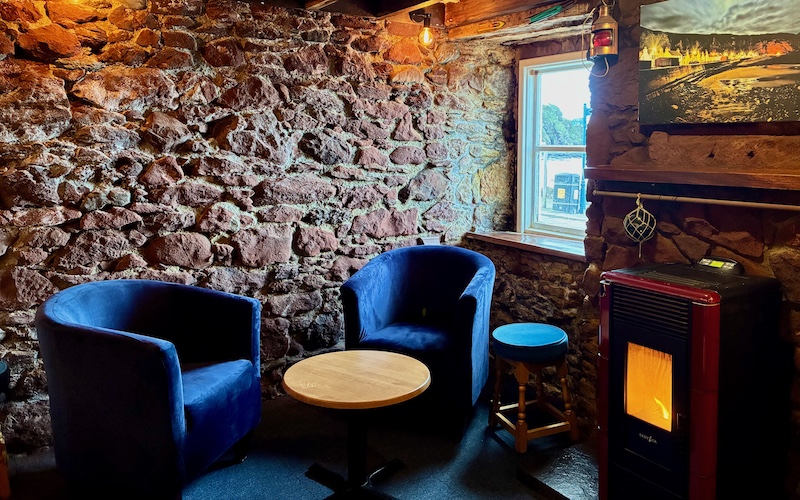
I’ve loved the hamlet of Pennan – a single row of whitewashed cottages pressed between a steep green cliff and the sea – for over 35 years. Today just eight people call it home, but thanks to chef Peter Simpson it still has its pub. Peter sources seafood from Fraserburgh and Peterhead and cooks it with real finesse — think brown crab beignets, halibut with seaweed butter and haddock with parmesan gnocchi. Worth a serious detour.
Drink in Speyside Glenfarclas Distillery (Ballindalloch)
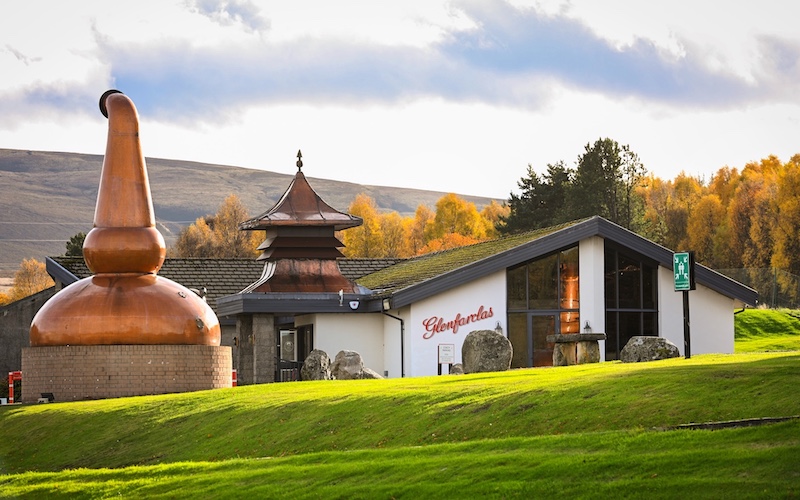
Founded in 1836 and owned by the Grant family since 1865 – now in its sixth generation – Glenfarclas is one of Scotland’s last great independent distilleries. Where most of the industry has consolidated into corporate hands, the Grants have stayed fiercely traditional: direct-fired copper stills and exclusive maturation in ex-oloroso Sherry casks produce a whisky of exceptional richness and depth.
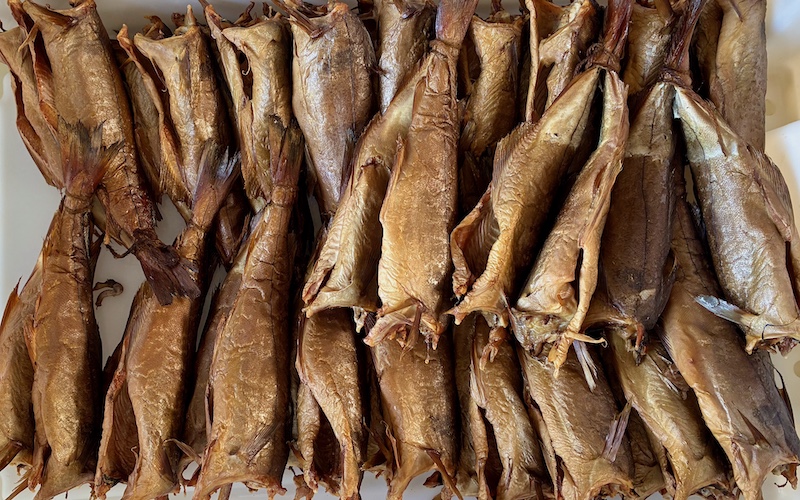
Taste on Scotland’s East Coast Arbroath Smokies (Arbroath)
Arbroath Smokies are small haddock salted, paired by the tail, and hot-smoked over hardwood. They’re protected by an EU appellation that says they can only be made within 5 miles of Arbroath Town Hall. Smokehouses are clustered around Arbroath Harbour (known as the fit o’ the toon) and Smokie dishes are popular in local restaurants and cafés, like The Port Kitchen, which does a great Smokie omelette with Sriracha for breakfast.
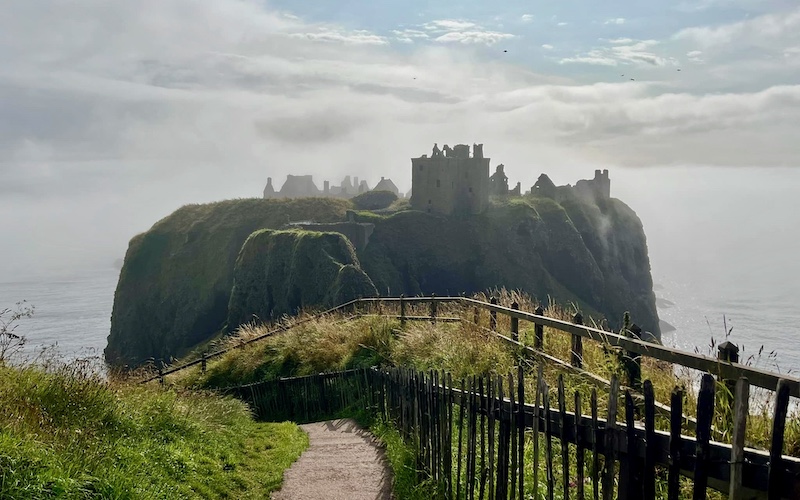
See on Scotland’s East Coast Dunnottar Castle (Stonehaven)
Perched on a sheer rocky promontory above the North Sea, Dunnottar is one of Scotland’s most dramatically sited castle ruins – and one of its most historically significant given it sheltered the Scottish Crown Jewels from Cromwell’s army in the 1650s. It’s also a popular location for movies, including Mel Gibson’s Hamlet. Around 180 steps lead down (and back up) from the clifftop, thankfully views from above are spectacular too.
Published 21 May 2026
Speyside is a whisky-producing region in northeast Scotland centred on the River Spey, which flows northeast from the Cairngorms to meet the sea at the Moray Firth. Home to more than 50 distilleries — including Glenfiddich, The Macallan and Glenfarclas — it produces over 60% of Scotland’s single malt whisky, making it the most concentrated whisky region in the world.
Arbroath Smokies are whole haddock that are salted, paired by the tail and hot-smoked over hardwood fires. They carry Protected Geographical Indication status (PGI) — which stipulates that only fish smoked within five miles of Arbroath can legally use the name.
Doric is the distinct Scots dialect spoken across Aberdeenshire and the northeast of Scotland. It developed separately from both Highland Gaelic and lowland Scots, shaped by centuries of farming and fishing culture, and remains in everyday use today — a living marker of the northeast’s distinct cultural identity.
Speyside isn’t quite on the coast — but it’s closer than most people expect. The River Spey meets the sea at Spey Bay on the Moray Firth, and the whisky heartland around Aberlour and Craigellachie is only around 30 miles inland. A drive from the Aberdeenshire coast to Speyside takes less than an hour, making the two natural companions on any northeast Scotland itinerary.
The Craigellachie Hotel is one of Scotland’s great whisky hotels, with its Quaich Bar stocking over 700 single malts. Built in 1893 in the heart of Speyside, it sits on the doorstep of more than 50 distilleries. It is also home to The Spey Inn, founded in 1703 and Scotland’s oldest still-operating drovers’ inn.
Dunnottar Castle is absolutely worth visiting — though be prepared for around 180 steps down from the clifftop to the entrance and the same back up. The ruins are extraordinary and the coastal views are among the finest in Scotland. Those who’d prefer not to tackle the steps can still enjoy spectacular views of the castle from the clifftop path, which is free to access.
Unlike the west coast, much of Scotland’s east coast is Lowland — the entire stretch from the English border north through Angus and Aberdeenshire all the way to the Moray Firth. The Highlands begin in earnest north of the Moray Firth, around Inverness. This surprises many visitors who assume the Highlands dominate Scotland’s geography — in fact, the east coast’s clifftop villages, wide farming plains and distinctive Doric-speaking culture are quintessentially Lowland, shaped by the sea and the land rather than the clan system of the Highlands to the north and west.