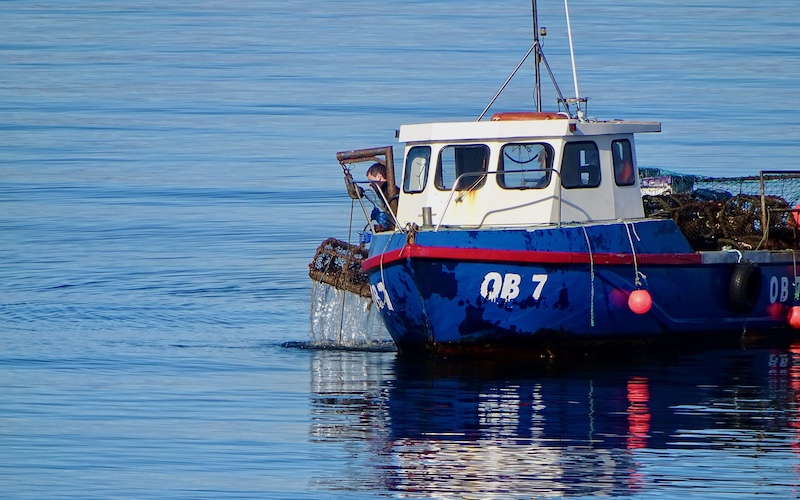
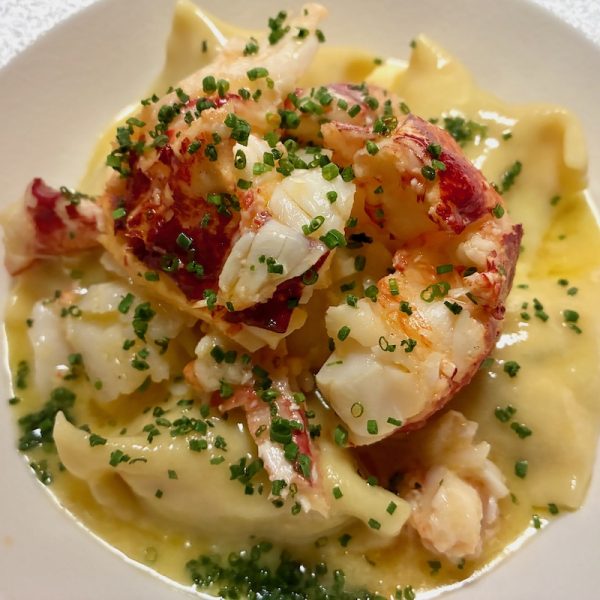
Our gourmet tour starts in Edinburgh, Scotland’s capital city, where we’ll stay in a restored Georgian townhouse on the historic Royal Terrace. In waterfront Leith – once the busy dockyards, now the city’s foodie hub – we’ll dine on fresh Scottish seafood prepared by one of Scotland’s best chefs, Barry Bryson.

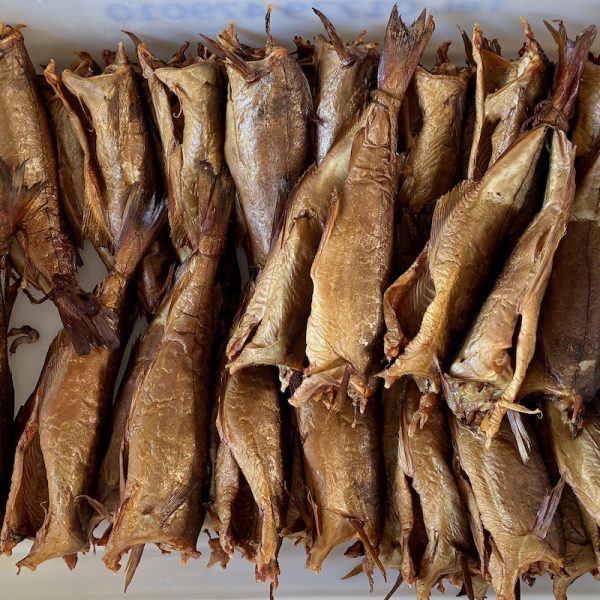
In the east coast fishing village of Arbroath we’ll visit a traditional smokehouse at 'The Fit o' the Toon' (by the port) to see how the famous Arbroath Smokies are made. The Spink family name dominates the world of smokies and we’ll enjoy a casual smokie-focused dinner at Darren and Jess Spink’s The Port Kitchen.
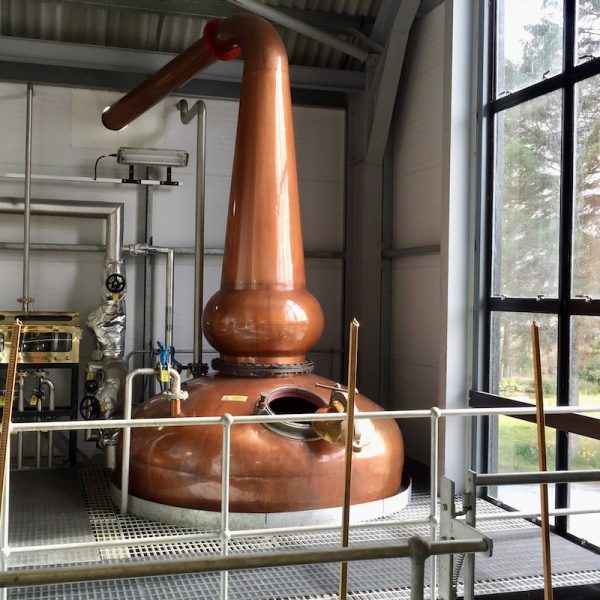
In Speyside, home to over half of Scotland’s single malt whiskies, we’ll have a private tour and tasting at family-owned Glenfarclas distillery. We’ll spend the night at The Craigellachie Hotel with dinner at the Spey Inn, Scotland’s oldest drover’s inn, and a night-cap dram at their legendary Quaich Bar.
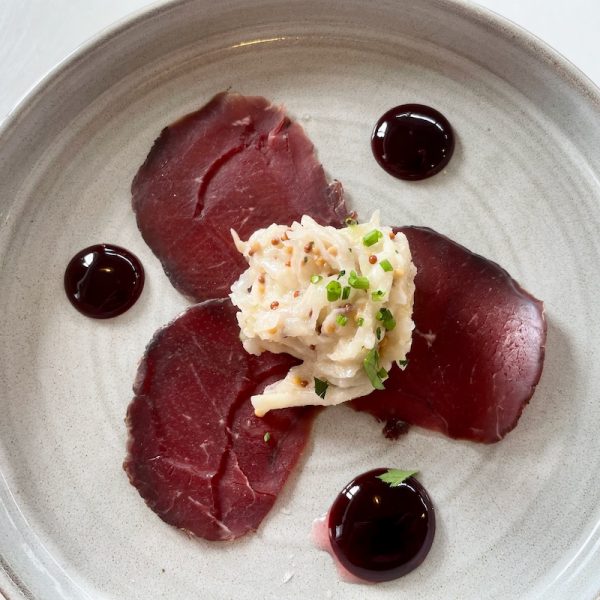
We’ll take one of Scotland’s most scenic drives, down The Great Glen – an ancient rift valley with a chain of lochs including Loch Ness. Here we’ll lunch with artisanal venison salumi producers Anja and Jan Jacob of Great Glen Charcuterie at Glen Spean Brewing where we’ll also taste their award-winning craft beers.
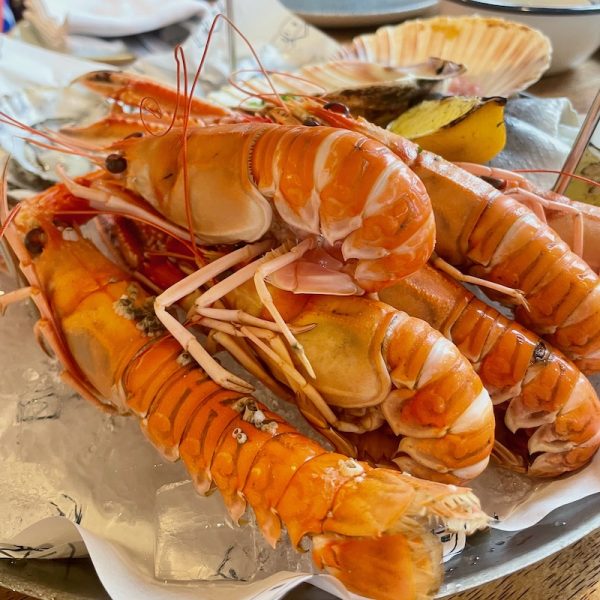
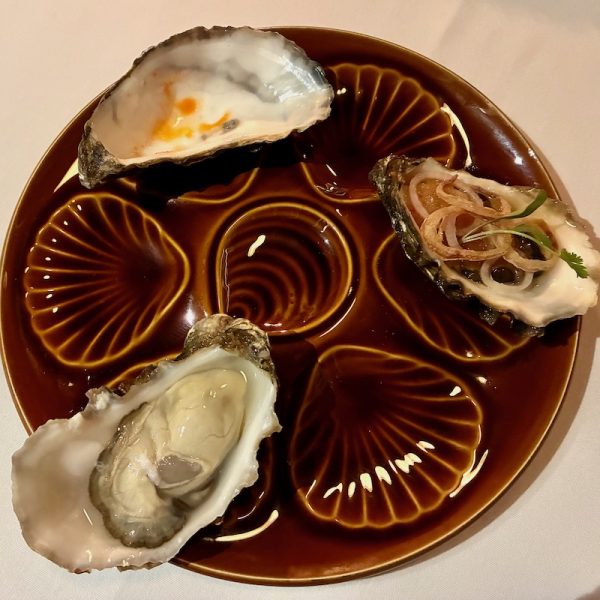
At The Pierhouse restaurant-with-rooms in the West Highlands, we’ll feast on langoustine, lobster and other seafood fresh from the loch. We’ll visit the restaurant’s oyster supplier for a tour, shucking lesson, and tasting then go foraging for spring greens, brambles, seaweed and more for a private lunch featuring these wild foods.
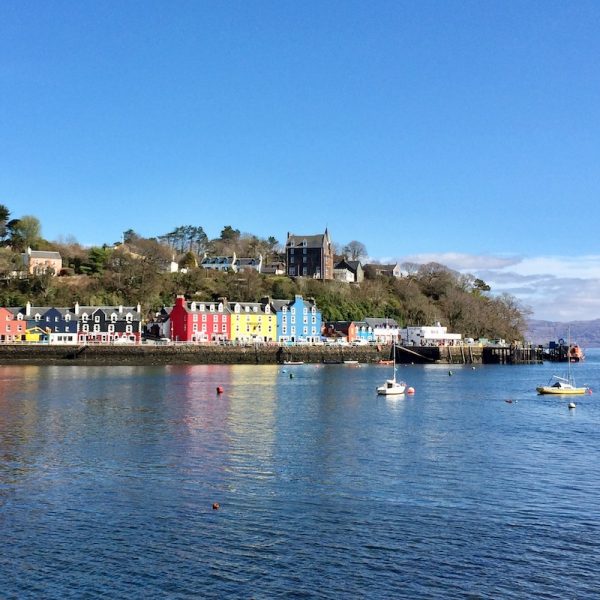
We’ll take the ferry across to the Hebridean Isle of Mull for a relaxing afternoon in the colourful town of Tobermory – a chance to visit more distilleries or the farm producing award-winning Isle of Mull Cheddar. Two more scenic ferry rides bring us home, with dinner along the way at The Whitehouse in tiny Lochaline.
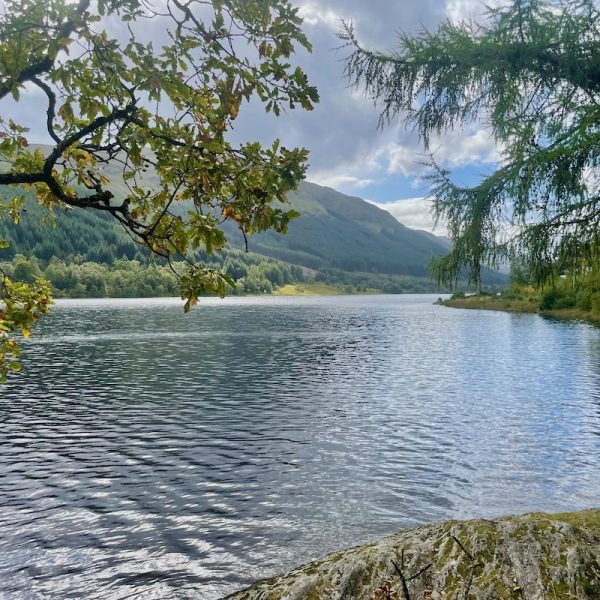
Driving through dramatically beautiful Glencoe, we’ll reach the Perthshire Highlands to stay deep in Balquhidder Glen overlooking tranquil Loch Voil. Home to Rob Roy MacGregor, the glen has a strong Jacobite history which we’ll learn about on a food & wine safari, picnic and foraging expedition with owner/chef Tom Lewis.
A drive along Loch Lomond will bring us to lunch at Inver on the shore of Loch Fyne, one of Scotland’s most innovative restaurants. On to Glasgow – once the centre of British shipbuilding, now home to some of Scotland’s best restaurants, including Peter McKenna’s Eleven Fifty Five for our final dinner together.
Welcome to Scotland – Caledonia, Scotia, Alba – only 690km from southeast to northwest, with 5.5 million people and over 6.5 million sheep. Its haunting Highland scenery and history stretching to the last Ice Age have long captivated the world. A country that has long punched well above its weight in science, economics, exploration and literature — Scotland saves some of its greatest achievements for the table.
Scottish produce is among the world’s finest. Seafood of course – with its cold Atlantic waters and long coastline – also venison and game birds; lamb and cattle grazing wild Highland herbs; a revived artisanal cheese scene; plus mushrooms, berries, and other wild foods all increasingly foraged for the table. Inspired by Scotland’s extraordinary natural larder, a generation of chefs (with experience in the world’s finest kitchens) has come home to reimagine what Scottish food can be.
Did I mention the whisky and boutique gin scene using native botanicals? Let’s explore Scotland’s best food and drinks.
Slàinte Mhath!
Immerse yourself in Scotland’s food culture, especially its outstanding seafood and spirits. Visit food producers, brewers and distillers, eat regional specialties in local restaurants and city fine-diners with like-minded food and wine lovers in a relaxed, comfortable environment on this food tour of Scotland.
The above itinerary covers the food tour highlights, the order of activities and locations may vary.
Airport transfers not included. Edinburgh and Glasgow both have international airports. Car transfers can be arranged on request.
Share page on:
Scotland has always had some of the world’s best food produce – but until recently most of it was shipped straight to the kitchens of Europe’s best restaurants. Seafood from its cold clean waters, venison and other game, lamb and cattle grazing wild Highland herbs; a revived artisanal cheese scene; plus mushrooms, berries, and other wild foods all increasingly foraged for the table. Now – inspired by Scotland’s rich natural larder – a new generation of chefs (with experience in the world’s finest kitchens) has come home to reimagine what Scottish food can be.
Scottish seafood is world-class: langoustines, oysters, mussels and huge hand-dived scallops, along with fabulous smoked fish from east coast Arbroath Smokies and Finnan Haddies to kippers and traditionally smoked haddock.
Venison and other seasonal game (grouse , pheasant, partridge, woodcock, ptarmigan and more) are used in traditional dishes as well as increasingly in innovative ways like salami and other cured meats.
Scottish lamb and beef – often raised on Highland herbs and wild grasses – is seen on the menus of Europe’s best restaurants.
Scotland’s woodlands and shores are also a rich source of wild foods that are increasingly foraged for the table: mushrooms like chanterelles; spring greens including wild asparagus, sorrel and wild garlic; brambles and other berries; and a wealth of different seaweeds.
Think beyond haggis, Cullen skink and shortbread (though there are great example of these to be found all over Scotland). Scottish seafood is at its best simply prepared so the flavours can shine: freshly shucked oysters straight from the loch, boiled langoustines with house-made mayonnaise for dipping; steamed mussels in white wine with wild herbs; and hand-dived Orkney scallops cooked in the shell. Scotland’s beautiful flat fish (turbot, brill, flounder, sole and john dory) are best simply grilled or pan-fried with a light sauce – or turned into a delicious rustic fish pie.
Venison stews, roast lamb, steaks of Highland beef along with square sausage, black pudding, white pudding and the incomparable haggis are popular meat dishes.
Scottish baking has long been famous – from crumbly all-butter shortbread to scones, fruit-filled Dundee cake, and crisp Aberdeen butteries (rowies) – there’s always something perfect to have with a cup of tea or coffee.
Once known as a decidedly working-class city, Glasgow has retained its egalitarian charm while now being home to some of the best restaurants in the UK. In early 2026, Peter McKenna – one of Scotland’s most influential chef – relaunched his award-winning fine diner The Gannet as the more casual Eleven Fifty Five. In reality it’s the same superb food, wine pairings, comfortable setting and fabulous service, just at even better prices. At Brett, Chef/Owner Colin Anderson turns out more of Glasgow’s finest food in a tiny space dominated by a long open kitchen counter where you can watch all the action. Along Argyle Street in Finnieston, and further into Glasgow’s West End , you’ll find great casual eats at places like Mother India’s Café, Kelvingrove Café, Lebowskis, and CrabShakk.
The West End of Glasgow has established itself as the heart of Glasgow’s best eats – though gentrified Southside neighbourhoods – like Shawlands – are starting to gain attention too.
Some of Britain’s finest restaurants can be found in Scotland’s capital city of Edinburgh. Down in the old dockyards of Leith, fine diners The Kitchin and Restaurant Martin Wishart have won international acclaim, while the more casual Barry Fish serves up some of Scotland’s finest seafood in a relaxed, decidedly unpretentious atmosphere.
Gastropubs – most notably Tom Kitchin’s The Scran & Scally – offer family-friendly dining with superb food at reasonable prices and bars like Little Capo and Ardfern serve excellent menus of inspired snacks alongside great cocktails, wines from boutique producers and craft beers.
Edinburgh has two main food hubs. In the north, on the Firth of Forth, the old dockyards area of Leith is now home to excellent restaurants including Barry Fish and Michelin-starred The Kitchin. A short walk from Edinburgh’s city centre, the suburb of Stockbridge is home to a wonderful collection of traditional pubs, modern bars, great restaurants and gorgeous food shops.
Scotland has a long history of farmhouse cheesemaking though, along with the rest of the UK, it was all but obliterated post-WWII by the Milk Marketing Board’s relentless push towards mass-produced cheddar. The slow resurgence began in the early ‘80s when a handful of stubborn farmers started making cheese again. Among them was Humphrey Errington of Lanarkshire, whose raw sheep milk Lanark Blue became a standard-bearer for the revival. Today the range and quality of Scottish artisanal cheese is such that restaurants can now offer all-Scottish cheeseboard. Lanark Blue is still one of Scotland’s benchmark cheeses – along with Strathdon Blue and Blue Murder from Highland Fine Cheeses; Isle of Mull cheddar; and Comrie, a brilliant reblochon-style washed rind from young cheesemaker Ben Hodgson in Perthshire. Denise Ferguson – at Drumturk Cheese also in Perthshire – makes some funky blue and creamy white mould goats cheeses too.
Scotland – especially the Scottish Highlands – has some of the most spectacular scenery in the world. The misty, craggy, snowcapped peaks; peaceful glens and lochs; and windswept moors are often dotted with the ruins of ancient castles and crofts as well as some well-restored ones which are now home to restaurants offering excellent food made with fresh local produce: like Inver on the shore of Loch Fyne.
Scottish whisky is famous the world over, and Scotland’s evolving gin scene is starting to come to prominence too as boutique distilleries across the country produce excellent small-batch gins flavoured with native juniper and local botanicals. The Isle of Harris Distillery uses sugar kelp seaweed; there’s bog myrtle in Speyside’s Caorunn gin ; rock rose, rowan and gorse used at Rock Rose distillery in Caithness; and Bruichladdich on Islay makes The Botanist with 22 hand-foraged botanicals all native to the island.
There’s a healthy real ale movement across Scotland too with craft brewers creating everything from delicious porters and amber ales to traditional lagers, plus some exciting saison beers made with native ingredients such as heather, bog myrtle, and foraged herbs.