Edinburgh is a city of contrasts: the medieval Old Town of narrow wynds and closes and the Georgian New Town of sweeping crescents …
… the Royal Mile packed with tourist shops (and tourists) and the quiet back streets of inner-city suburbs full of great bars and restaurants as well as the occasional wonderfully quirky shop (I’m looking at you Black Moon Botanica, purveyors of esoteric and occult goods). So it seems fitting that the best restaurants in Edinburgh are likewise split across two very different neighbourhoods. Ten minutes from the New Town, the once-working-class-now-decidedly-gentrified suburb of Stockbridge is home to great food shops along with some of Edinburgh’s best pubs and restaurants. About 30 minutes north, on the Firth of Forth, the old dockyard area of Leith houses cool bars and Michelin-starred restaurants alongside long-standing blue-collar pubs – retaining just enough of its original grittiness to keep things interesting. Here are my top picks for Edinburgh’s best restaurants, from fine dining and neighbourhood favourites to fun snacks.
Seafood Barry Fish (Leith)
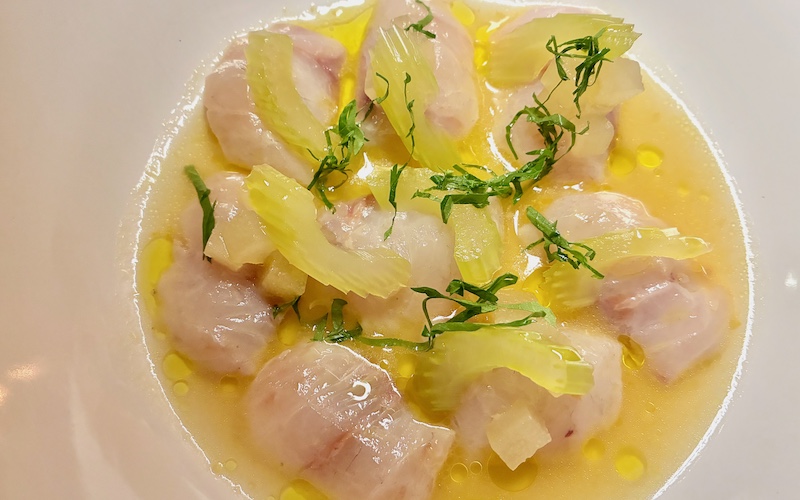
Barry Bryson serves up some of the best seafood and hospitality in Edinburgh at this welcoming restaurant. Spanking fresh fish with great flavour combos and minimal fuss means everything on the plate sings! Seabass ceviche with pickled celery is refreshing; braised squid with preserved lemon and wild leek is super tasty; and you know how I feel about that smoked fish agnolotti! Best rice pudding ever, and spot on wine pairings too!
Fine Dining The Kitchin (Leith)
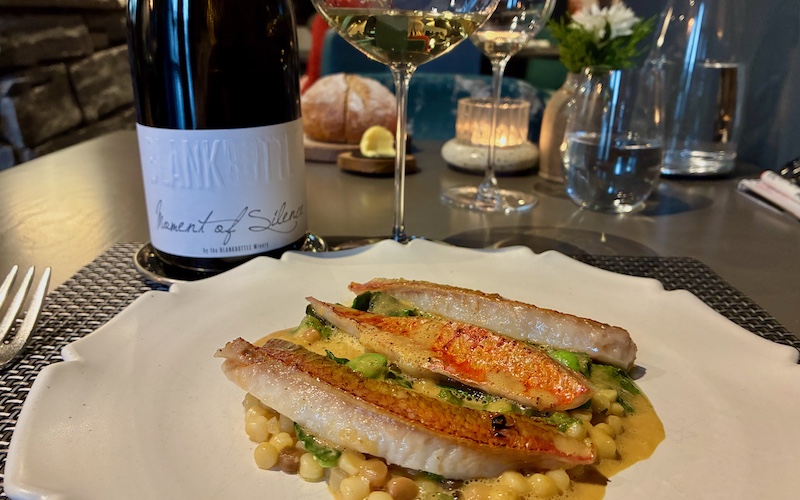
Preparing excellent produce with a thoughtful twist, Tom Kitchin strikes a balance between the expectations of a Michelin star and a relaxed dining experience. Provenance is key and there’s a clear sense of place in the décor and kilted staff. Wine pairings are a highlight, from a Languedoc blanc with a clever clam ‘Waldorf salad’, to a South African chenin blend alongside beautifully seared red mullet on fregola risotto with broad beans.
All-Day Snacking (& Drinking) Ardfern (Leith)
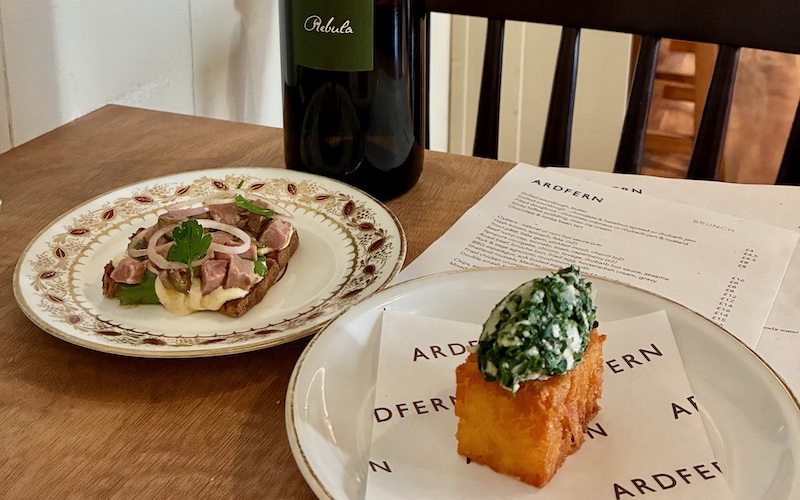
Chef Roberta Hall-McCarron serves up a casual all-day menu of delicious dishes perfect for sharing in this basic space next to her fine diner, The Little Chartroom. A creamy, salty, crunchy spinach and feta-topped hash brown is my kind of bar snack, and rare beef on toast with creamy, tangy tonnato sauce, pickled onion, caperberries and herbs is one of the tastiest things I’ve ever eaten, perfect with a skinsy Slovenian rebula.
Scottish-Japanese Fusion Noto (New Town)
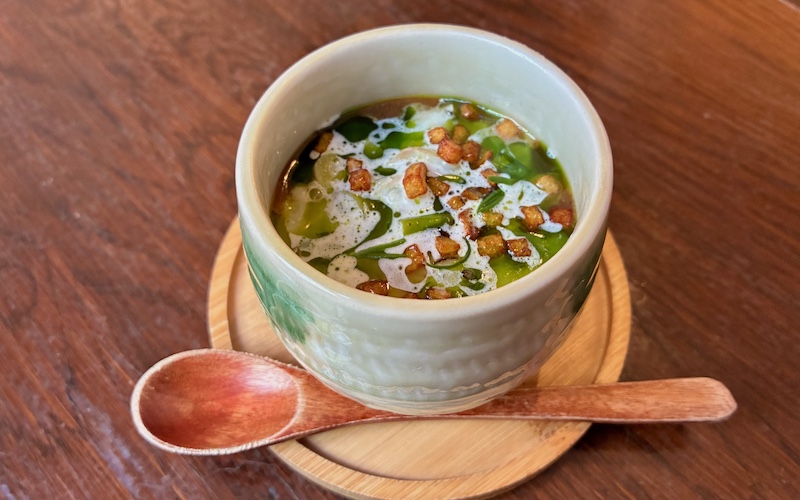
This minimalist restaurant can feel a bit spartan, especially when it’s quiet. But once the food arrives, that’s all forgotten. Savoury chawanmushi custard has a wonderful aroma and flavour from Arbroath Smokies; crunchy, chewy fingers of pressed rice take tangy beef tartare next level; and chocolate mousse is lifted by salty, umami miso caramel. The set lunch menu is great value and best shared with a friend or two to chat to between courses.
Neighbourhood Italian Sotto (Stockbridge)
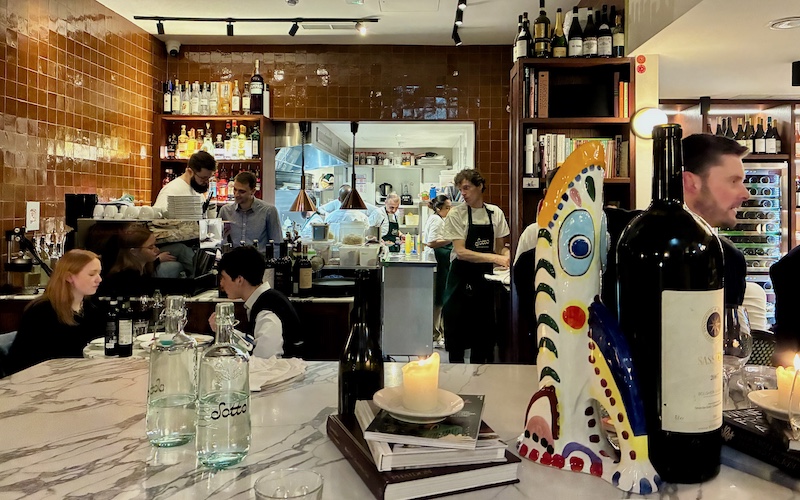
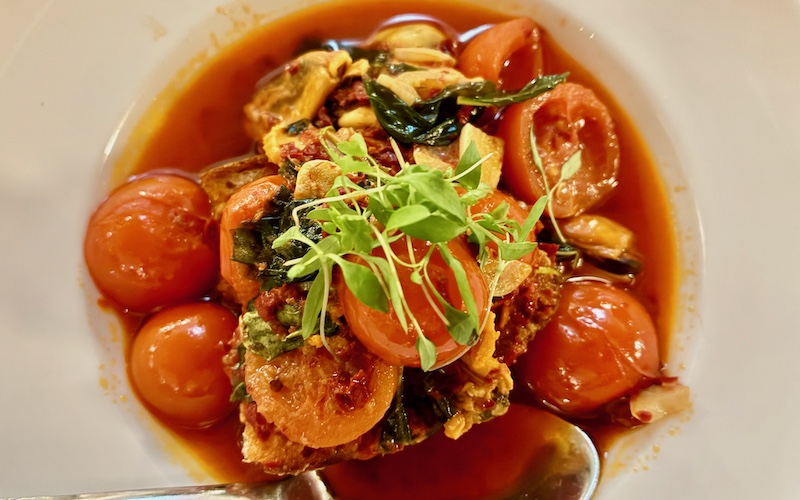
The favourite local of food-loving friends, this casual Italian has a lovely vibe, friendly staff, good food and a strong wine focus. The shared marble table feels like dining in a friend’s home, with candles on books and a beautiful ceramic centrepiece. Most dishes are perfect for sharing, including house-baked focaccia with pesto Trapanese and tender mussels with chunky croutons in an amped-up ‘nduja and tomato sauce. Delish tiramisu too!
Gastropub The Scran & Scallie (Stockbridge)
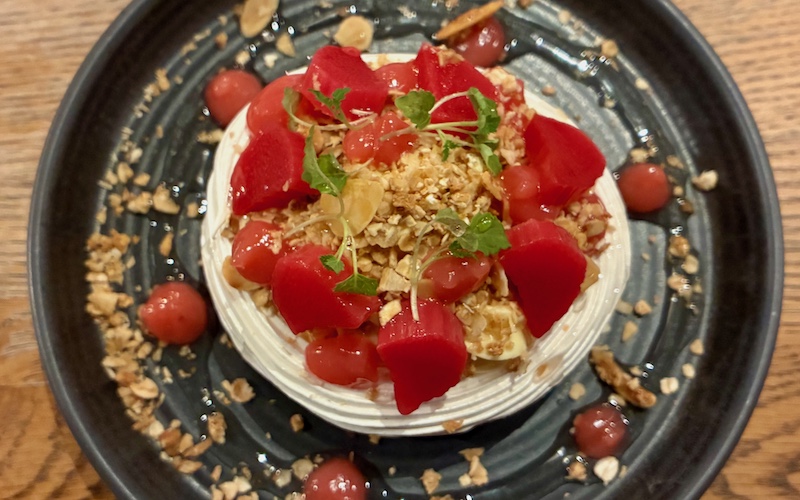
Using the same quality produce as at his Leith fine diner, Tom Kitchin riffs on comforting Scottish classics in Edinburgh’s best gastropub. Snack on addictive potato and Chantenay carrot chips while perusing ‘Oor Menu’ to decide between fish pie, Scotch eggs, or haggis with neeps and tatties. And save room for ‘Oor Puddins’, like a clever Aussie-Scot fusion of cranachan pavlova with seasonal fruits. Friendly service and a great wine list too.
Published 19 May 2026
Leith, first mentioned in 1128 records, was for centuries a separate town to Edinburgh – functioning as its busy port. It became its own burgh in 1833, then was merged into Edinburgh in 1920 – even though its residents voted against the merger by an overwhelming majority.
The port grew rich on wine, which was stored there from at least the 16th century, and later on whisky bonds, shipbuilding, sugar refining and glassmaking: at its peak Leith’s glassworks produced a million wine bottles a week.
After a long post-war decline, Leith’s revival began in the late 1980s. Once a rough-edged dockside district – the setting for Irvine Welsh’s ‘Trainspotting’ – Leith has been transformed, and today the Royal Yacht Britannia is moored there. Time Out magazine named Leith the fourth-coolest neighbourhood in the world – though pockets of real hardship remain behind its smart new waterfront façade.

Stockbridge was once a village outside Edinburgh, clustered around a crossing of the Water of Leith, where water-driven mills worked from at least the 12th century. Its name comes from the Scots ‘stock brig’, referring to the wooden bridge that was only replaced by today’s stone bridge in 1801.
As the New Town spread north in the 19th century, the village was absorbed into the city. Portrait painter Sir Henry Raeburn developed his land here and named elegant Ann Street after his wife; it was one of the first New Town streets with private front gardens.
Between 1861 and 1911 a workers’ co-operative built the Stockbridge Colonies, rows of artisans’ cottages now among the city’s most sought-after homes. And a local second-hand clothes shop run by a Madame Doubtfire inspired the Anne Fine novel that later became the Robin Williams film ‘Mrs. Doubtfire’.
Lowland Scotland is proud of its language, Scots, which is not a dialect of English but a language in its own right – both evolving from the Anglo-Saxon spoken by the Germanic tribes that had settled England and south-eastern Scotland by the 7th century.
You’ll often encounter Scots words on menus and decoding them is half the fun of reading a Scottish menu. ‘Neeps and tatties’ is a much-loved dish of mashed swedes or ‘neeps’ (from the Old English næp, which also put the ‘nip’ in turnip) and potatoes (tatties) and the classic accompaniment to haggis. You may also encounter Scots spellings like ‘oor’ for our and ‘yer’ for your – so ‘Oor Puddins’ are the house desserts.
Often called the king of Scottish desserts (and also Scottish Eton mess), cranachan began as a celebration after the August raspberry harvest. It layers whipped cream with toasted oatmeal, heather honey, a splash of whisky and fresh raspberries. Older versions used crowdie, a fresh soft Scottish cheese, and it was traditionally served deconstructed, with each ingredient in its own dish so everyone could build their own cranachan. Today chefs love to reinvent it – including as an Aussie-Scot cranachan pavlova. Try my classic cranachan recipe.