Somewhere in the 1990s, Japanese food in Australia moved from exotic to mainstream, with sushi bars in every food court turning out healthy fast food.
Beyond sushi, between them the best Japanese restaurants in Sydney offer the full range of Japan’s diverse cuisine – from casual izakayas (the Japanese equivalent of a pub) to tiny spots where counter seating and omakase are the focus. Along the way there are well-executed classics like excellent okonomiyaki (Japanese pancakes) and yakitori (grilled chicken skewers) as well as increasingly modern interpretations and artisanal sake lists. Here are some of Sydney’s best Japanese restaurants to get you started on your own delicious journey into washoku. Scroll down to watch Master Sushi Chef Hideo Dekura at work, and for an FAQ on Japanese food terminology.
Izy.Aki Paddington
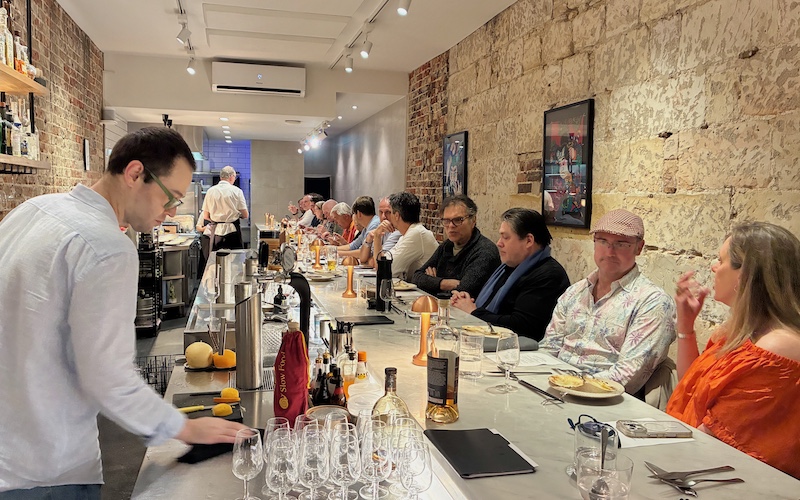
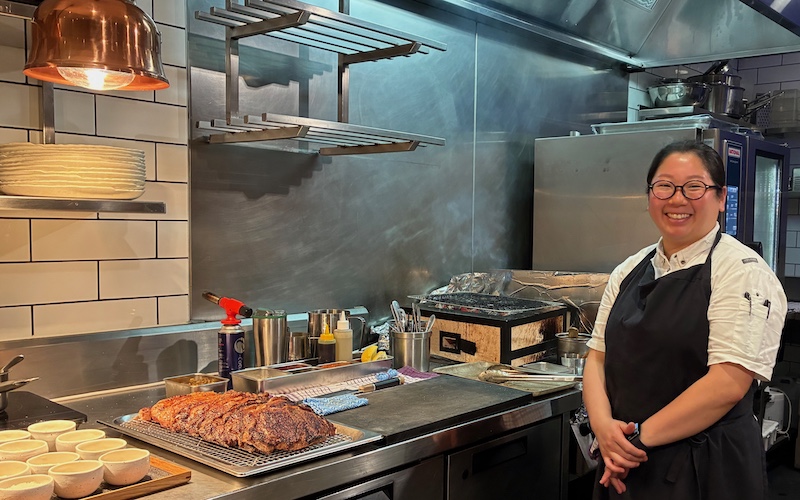
With its long marble counter wrapped around the narrow open kitchen, the old Saint Peter’s site is made for Darren Templeman’s modern omakase restaurant. Dining here is an intimate affair, with Darren and Head Chef Bonnie cooking and presenting seasonal dishes from Shark Bay scallops with kombu butter to hibachi-grilled wagyu with pickled crosne. Four, six and ten-course options make this Sydney’s most approachable omakase too.
Ante Sake Bar Newtown
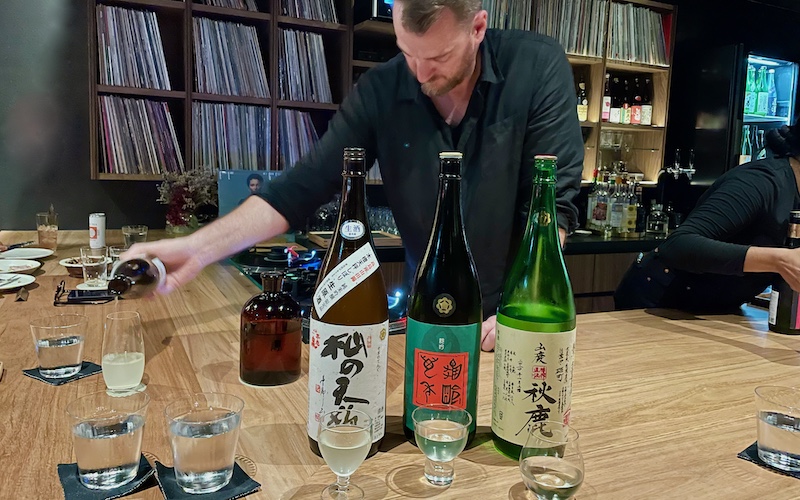
Head along to this vinyl-spinning Japanese bar to learn more about quality sake while enjoying great eats. Tell sake guru Matt Young what you like to drink and ask him to pour a flight of sakes to get your journey of discovery started. Then dig into Jemma Whiteman’s delicious Japanese-inspired menu of dishes like bonito crudo with poorman’s orange and green chilli; nettle & ricotta gnudi with dashi & kombu oil; and sansho-spiked chocolate.
Jugemu & Shimbashi Neutral Bay
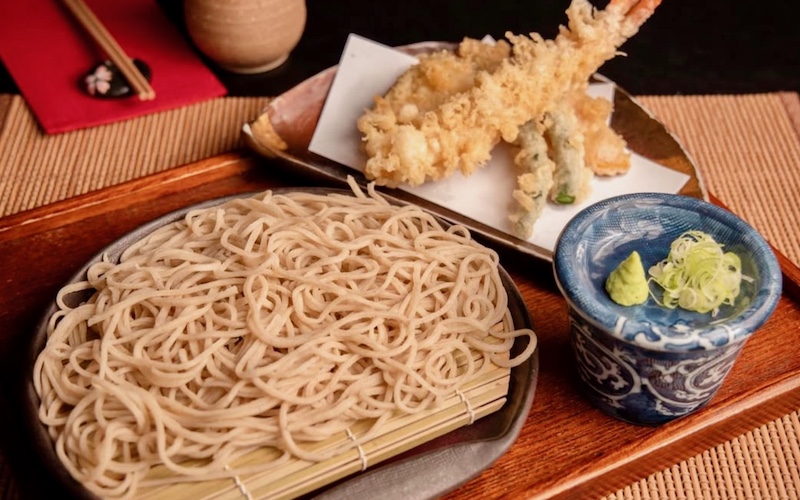
There’s a lot to love in these twin restaurants. On the right there’s calm Shimbashi where you can watch soba master Masahiko Tojo make fresh noodles twice daily to serve in hot broth or cold with dipping sauce. Jugemu, on the left, is where the rat-a-tat-tat of teppanyaki chefs announces the cooking of okonomiyaki pancakes, excellent gyoza and miso eggplant. Between them they cover all the classics. Try the plum affogato dessert.
Yakitori Jin Haberfield
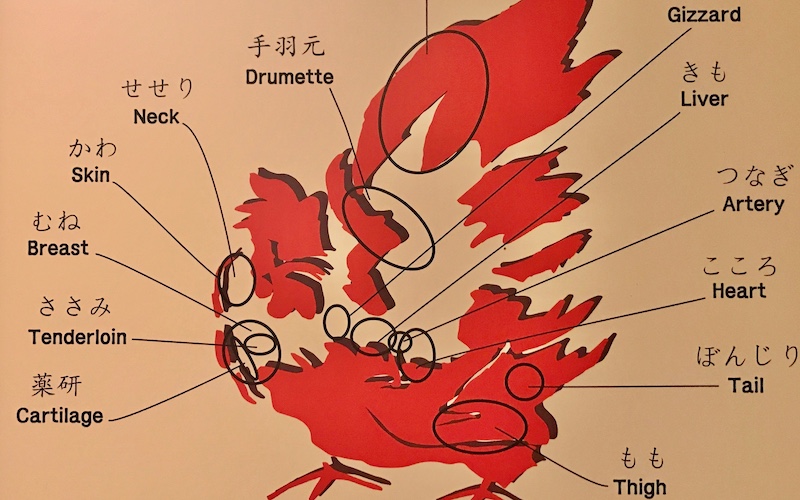
Whatever part of the chook you fancy, from wing and breast to cartilage – via liver, heart and gizzard – yakitori chefs will be grilling it on a stick over charcoal in this casual izakaya. You can even have it wrapped in a soft bao bun. Beyond the chicken there’s other kushiyaki from wagyu tri tip to quail eggs and a great range of veggies including asparagus, okra and corn as well as mochi rice cakes. Their gyoza are a cut above too.
Rising Sun Workshop Newtown
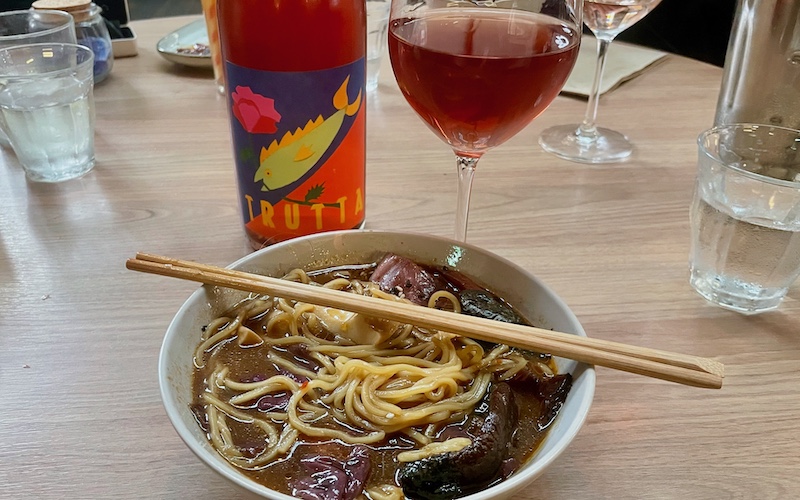
It’s surprising to find some of Sydney’s best ramen in a motorcycle workshop, but I guess mechanics like to eat too. Inspired by holidays in Japan and Korea, a bunch of mates converted part of this back street garage into a funky Japanese diner. From breakfast ramen featuring buttered toast bone broth, bacon, egg and roast tomato to ‘the monk’ with a broth based on shiitake and kelp, there’s a ramen for everyone. Great wine list too!
Updated 23 Oct 2026
Washoku (和食), literally ‘Japanese food’, refers to Japan’s traditional food culture.
In 2013 UNESCO inscribed washoku on its list of the Intangible Cultural Heritage of Humanity as a social practice encompassing the skills, knowledge and traditions of growing, preparing and sharing food, with deep respect for nature and the seasons.
Balance is at the heart of Japan’s traditional food culture: a typical meal pairs rice and miso soup with several small dishes chosen to vary flavour, colour and cooking method.
Omakase comes from the Japanese word ‘makaseru’, meaning ‘to entrust’. It translates roughly as ‘I’ll leave it up to you’.
Rather than ordering from a menu, at an omakase restaurant diners put themselves in the chef’s hands for a series of courses built around the best seasonal produce.
Omakase differs from a western tasting menu or degustation in that it’s typically served at a counter, so diners watch each dish being prepared and it’s generally the chef who then passes it across the counter to their guests.
Yakitori, meaning ‘grilled bird’, is chicken skewered and grilled over charcoal, traditionally the intensely hot binchotan.
Specialist yakitori bars use almost every part of the bird – thigh, breast, wings, skin, heart, liver and gizzard – seasoned either with salt (shio) or a sweet soy-based glaze (tare).
Other grilled skewers, from beef to vegetables, are known more broadly as kushiyaki.

Okonomiyaki is a savoury Japanese pancake whose name combines okonomi (‘what you like’) and yaki (‘grilled’).
A batter of flour, egg and shredded cabbage is cooked on a hotplate with the diners’ choice of fillings – such as pork, seafood or cheese – then decorated with sweet-savoury sauce, Japanese mayonnaise, bonito flakes and seaweed powder.
Osaka-style okonomiyaki mixes everything together, while Hiroshima-style layers the ingredients with noodles.
Soba are thin noodles made from buckwheat flour, often blended with a little wheat flour for elasticity – a classic ratio is 80% buckwheat to 20% wheat.
Soba noodles are served in two different ways:
The difference is rice – or the absence of it.
Sushi is defined by its vinegared rice (shari), topped or rolled with fish, seafood, egg or vegetables – so not all sushi contains raw fish.
Sashimi is simply very fresh raw fish or seafood, expertly sliced and served without rice, usually with soy sauce, wasabi and shredded daikon on the side. Its quality depends entirely on the freshness of the fish and the skill of the knife.
For sushi made with fish, there’s a further difference. Fish for sushi is sliced with the grain while fish for sashimi is sliced across the grain. See my guide to preparing fish for sushi and sashimi for more details and a demonstration from Master Sushi Chef Hideo Dekura.
An izakaya is Japan’s equivalent of a pub – a casual place to drink and share small plates with friends after work.
The name combines i (‘to stay’) and sakaya (‘sake shop’) because izakayas began as sake shops where customers lingered to drink on the premises, and food was gradually added.
At a typical izakaya, sake (rice wine), beer and shochu (spirit) are served alongside traditional dishes like yakitori, karaage and edamame, which are ordered a few at a time as the night goes on.