
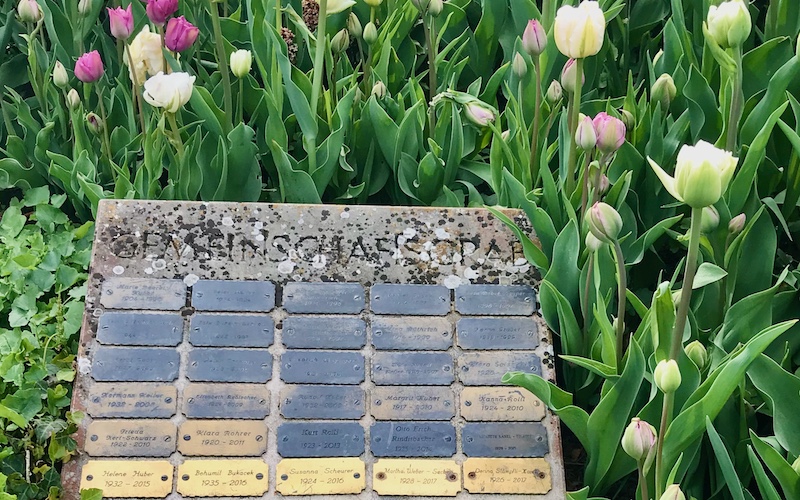
Regardless of life span, everyone leaves a legacy: a collection of memories and moments that live on in the hearts of those who knew them.
A memorial ceremony is an opportunity to reflect on the unique life of someone deeply loved. Also known as a celebration of life, it may be held at any time following a death: weeks, months or even years, and is often more informal than a funeral.
A memorial service may also include the scattering of the deceased’s ashes.
My role as a celebrant is to help you craft a ceremony that acknowledges the sadness of farewell while celebrating the story of a life well lived. I’ll work with you to ensure the tone and content reflect your loved one’s spirit and wishes. We’ll create a ceremony that’s unique, uplifting, and provides a space for everyone to grieve, remember, and celebrate your loved one – a meaningful farewell that will remain a cherished memory for all who attend.
There are many reasons to hold a memorial service instead of – or as well as – a funeral, including:
I can also help with other end of life ceremonies: Funeral Service and Living Funeral (living wake).
Discover readings and music suggestions ideal for a memorial service ceremony here.
Share page on:
A memorial service can be held instead of, or as well as, a funeral for many reasons. A funeral may have been private, held in another location, or delayed until family can gather. A memorial ceremony can also provide an opportunity for a wider community to honour someone, mark an anniversary or scatter their ashes, or fulfil the wishes of someone who did not want a funeral.
There’s no fixed timeframe. A memorial service can be held weeks, months or even years after someone has died, whenever it feels right for family and friends.
No. A memorial ceremony does not usually include the burial or cremation of the person who has died — that is part of a funeral. A memorial service can, however, include the scattering or interment of ashes.