
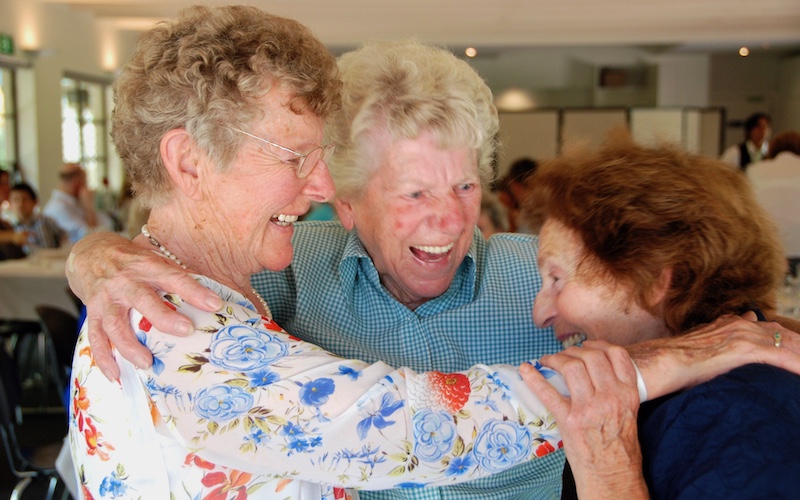
Have you ever wondered what it would be like to attend your own funeral? To hear all the lovely things people say about you and the fond memories they share? Increasingly people are choosing to do just that, to have a living funeral (also called a living wake).
A living wake is a ceremony you hold while you’re still alive to celebrate your life with your loved ones. It’s an opportunity for them to acknowledge your impact on them while you’re able to hear the tributes.
A living wake gives you a chance to say goodbye to friends and family on your own terms and gives them the chance to celebrate you while you’re still alive. You deserve to hear how much people love you and they deserve the chance to tell you so there aren’t regrets about things left unsaid.
People have a living funeral for different reasons:
While funerals held after someone dies are largely for the people left behind, a living funeral is also for the person who is facing their own death
A living wake can be as formal or casual as you wish, though the focus is usually on a celebration of life rather than a sombre grieving; some people even call them ‘living FUNerals’. Other names for a living funeral or living wake include pre-funeral, living memorial, life celebration funeral, celebration of life ceremony.
I can also help with other end of life ceremonies: Funeral Service and Memorial Ceremony (including scattering of ashes).
Read stories from people who’ve had a living funeral in The Guardian.
Share page on:
Yes. The terms living funeral and living wake are often used interchangeably for a ceremony or gathering held while someone is alive, allowing them to celebrate their life with family and friends. These life celebrations can also be called a pre-funeral or living memorial celebration.
People may choose a living funeral (or living wake) after a terminal or serious illness diagnosis, in response to cognitive decline, or simply as they grow older and want to celebrate their life with loved ones while they can fully participate. It provides an opportunity to share memories, express love and gratitude, and celebrate relationships together.
No – while many people choose a living wake (also called a living funeral) after a serious diagnosis, others simply want to celebrate life and relationships with loved ones while they’re able to be fully present.
Yes – many people choose to celebrate their life with a living funeral, and still have a more traditional funeral or memorial service held for others after they pass.
A living funeral gives someone the opportunity to hear how much they mean to the people around them, discover the impact they’ve had on others, share stories and memories. It gives the person being celebrated, and the people around them, the chance to say things that might otherwise remain unsaid. It also brings family and friends together to create shared memories, support one another and begin talking openly about death and the reality of loss. For someone nearing the end of their life, this can be a deeply meaningful way to bring people together and help ease some of the regrets and grief that can follow a death. A living funeral may also suit someone who would prefer not to have a funeral after their death, although many people choose to have both.