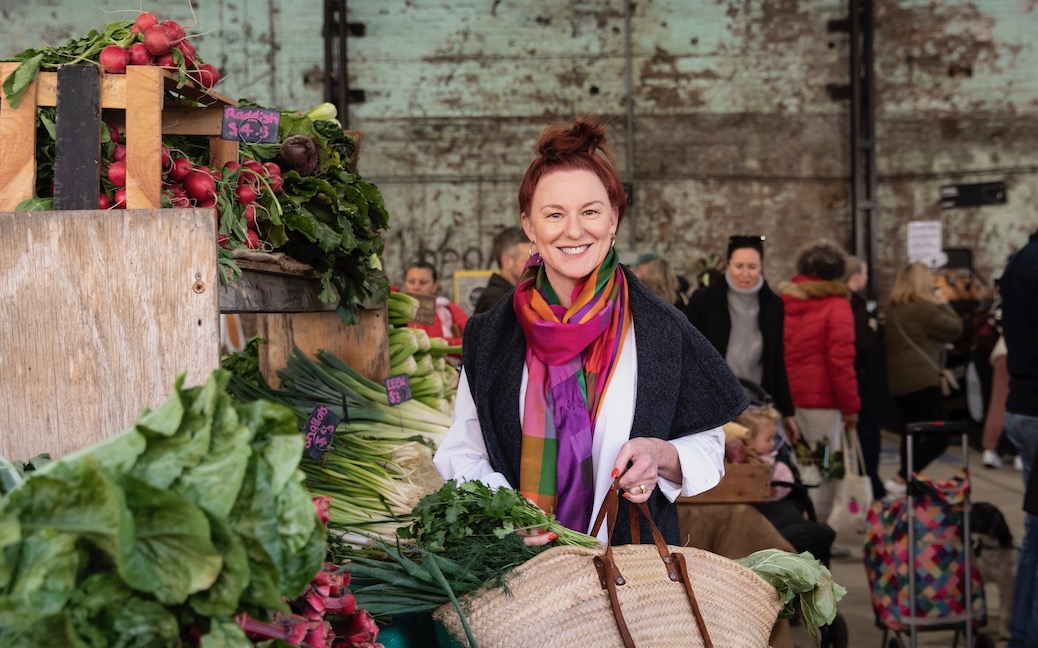
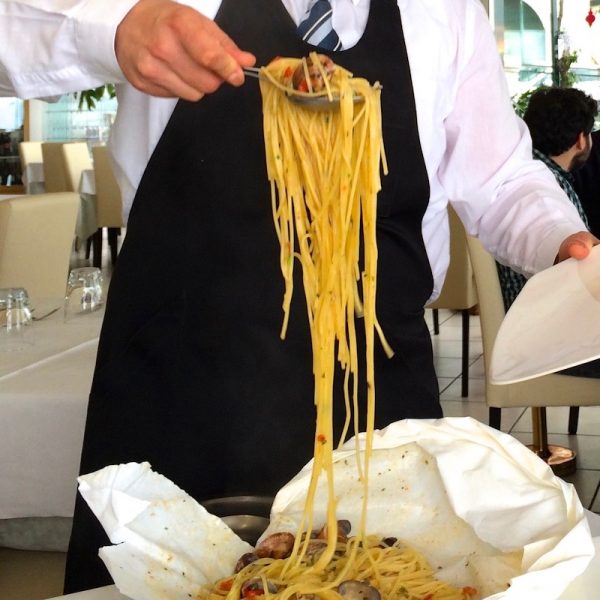
I’ve spent a lifetime getting behind-the-scenes of many corners of the world through friends who guide me to money-can’t-buy travel experiences. Ready to be a traveller not a tourist? Email for small group food & wine tour details. Questions? Scroll down to the FAQ.

Southern Italians turn simple fresh produce into almost unreasonably tasty dishes! Olive oil, garlic, chilli and wild aromatic herbs blend with the citrus, nuts, honey and dried fruits brought by the Arabs. On this small group food and wine tour we'll take time to enjoy ‘le piccole cose’ (the little things) that make life worth living.
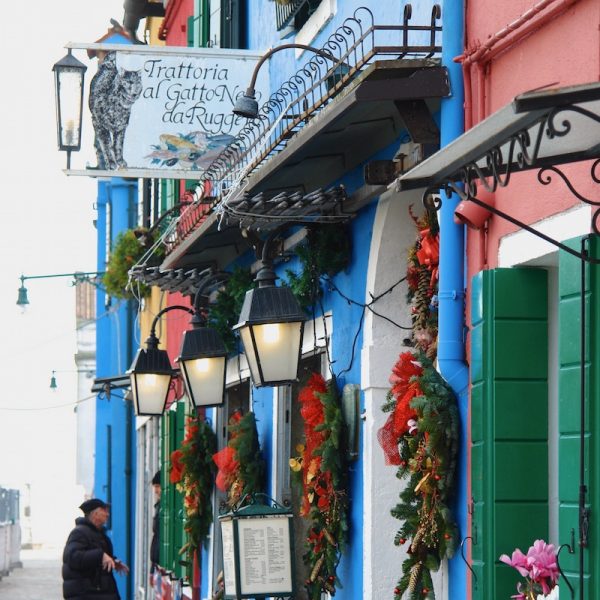
On this small group food and wine tour we'll see Venice through the eyes of locals. Learn which tiny calli to wander down to find the best bacari for cicchetti e un’ombra. Then discover Venice in context in the Veneto countryside, where wealthy Venetians had their farms and iconic wines like Valpolicella and Prosecco are produced.
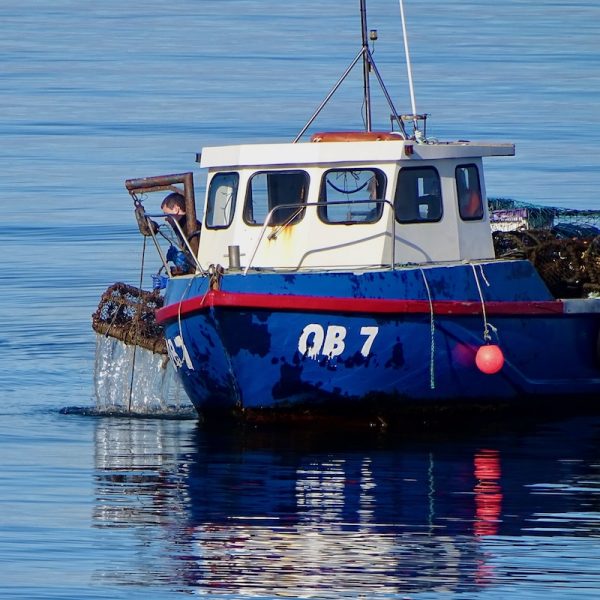
Scottish produce is among the world’s best. Seafood from its cold Atlantic waters, venison and game, lamb and cattle grazing Highland herbs, and foraged wild foods. Plus chefs with experience in the world’s finest kitchens proving how good Scottish restaurants can be. Join this Scottish food tour to explore Scotland's great seafood, spirits and more.
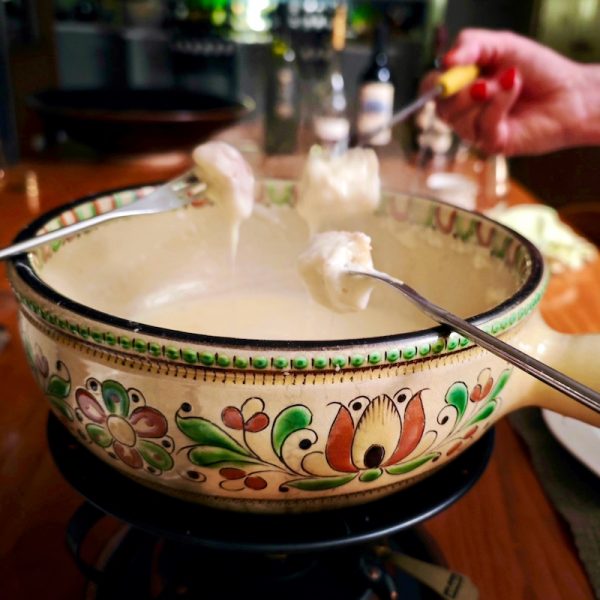
Switzerland is a bucket list experience, yet impossible to discover without insider help. I'm an accredited Swiss Travel Expert and – thanks to my Swiss husband, family and friends – know it as few outsiders can. On this small group food & wine tour, I'll show you the corners of Switzerland the tourists never find.
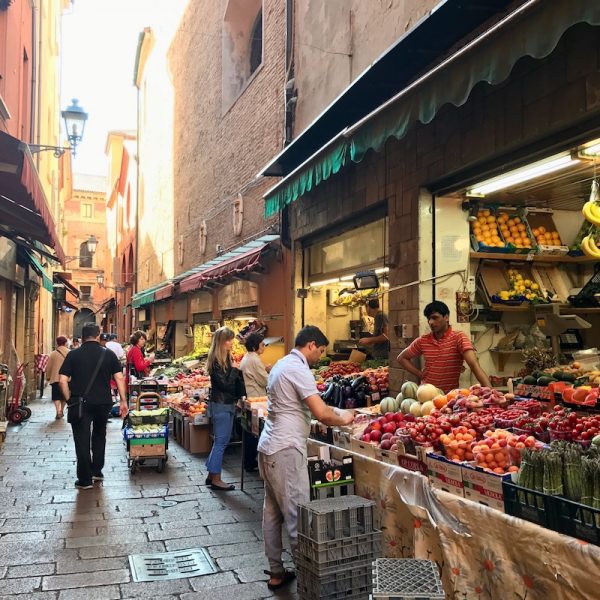
Emilia-Romagna is called Italy’s Food Valley for its abundance of world-class produce. And we'll discover it on this small group food and wine tour, from renowned Parmigiano Reggiano and Aceto Balsamico Tradizionale to lesser-known regional specialties and wonderful Adriatic seafood – not to mention the regional wines!
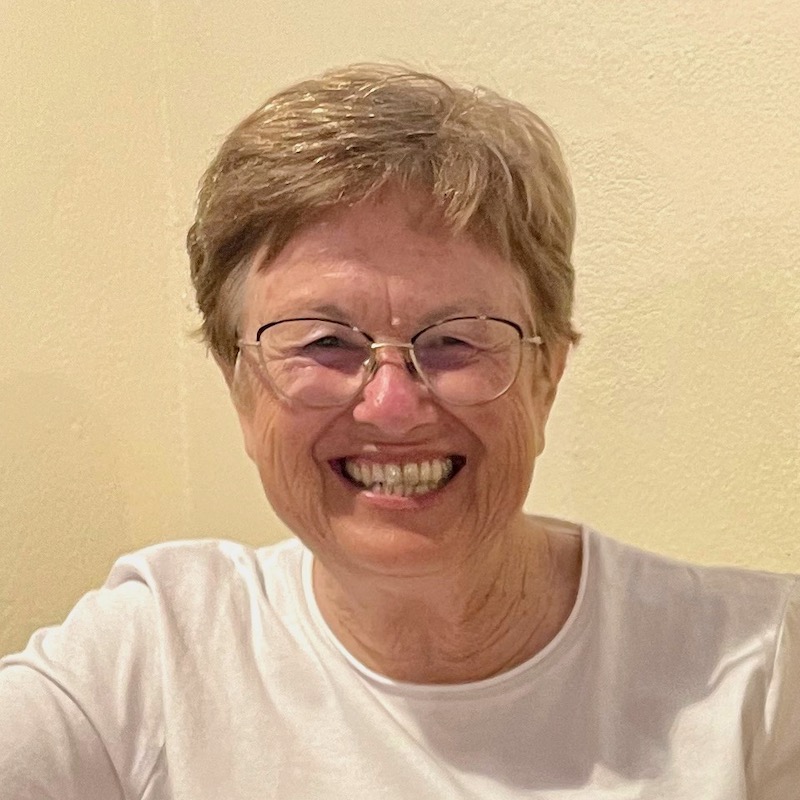
What makes travelling with me better than other food & wine tours? My tours are more personal than most. Many food and wine operators use a local company to arrange all accommodation, meals, sightseeing and transport. While local knowledge is invaluable, that means your guide hasn’t slept in the beds, checked the water pressure or eaten in the restaurants they’re taking you to.
I combine the best of both worlds by tapping into a deep network of local friends and contacts to find the best out-of-the-way places and experiences the tourists don’t know about – then I go there first and check that water pressure and eat in those restaurants, visit the producers and ‘kiss-the-frogs’ so you only get the Prince Charming experience!
On my food and wine tours, I take you to my favourite places to meet my favourite chefs, restaurateurs, producers, winemakers and locals, because I’ve been there ahead of you.
All my food and wine tours are small groups of 12 or fewer guests. This ensures I can provide a more personalised experience and also that we can eat in small, local places and visit artisanal producers that don’t cater for larger groups. Many food tours have 20 or more guests.
My tours are typically a mix of solo travellers and couples (about 50/50), making for a convivial group where everyone gets to know one another. Being on one of my small-group food and wine tours is like travelling with a small group of food-loving friends. I set up a WhatsApp group before each tour, so those who want to can introduce themselves to each other before actually meeting.
Yes – the fees for my food and wine tours are based on double occupancy (twin-share or double bed). European hotels tend to charge the same for single-occupancy as for double-occupancy, sometimes with a small discount for the second breakfast, and I pass this cost on to tour guests. I keep my single supplements as low as possible to just cover the additional costs.
All my food and wine tours include breakfast, lunch and dinner with local wines every day; accommodation in unique comfortable properties; travel by air-conditioned coach with a professional driver; behind-the-scenes visits and tastings with producers of the most important regional products; and private sightseeing tours with professional local guides in select cities.
We stay in comfortable unique properties that have a sense of place – often historic buildings, sometimes with distinctive views – high-quality 3-star or 4-star and occasionally 5-star. They range from a medieval palazzo in the historic heart of Parma to a Belle Epoque 5-star hotel with magnificent views across Lake Geneva to the Savoy Alps. Some have lifts but some, being ancient historic buildings, do not. In buildings without lifts, I assign lower floor rooms to those who need them. There is always assistance with luggage if needed.
I book out hotel rooms for a few extra days before and after my food and wine tours so I can arrange extra nights for those who want them. I always have some great tips on what to see and do and where to eat as well.
We travel in a comfortable private mini-bus with a friendly professional driver. The bus is a 19-seater, ensuring we have room to spread out and plenty of room to store luggage.
The cost of transfers to the hotel where the tour begins – and from the hotel where the tour finishes – are not included in the food and wine tour price. However I supply details of transfer options and can arrange transfers at an additional cost.
Of course – it’s a food tour! ALL meals – breakfast, lunch and dinner – are included during the tour. Itineraries for many other food and wine tours list ‘free time’ at some meals, which means those meals aren’t included and you need to figure out where to eat in a strange town and pay for that meal yourself.
In my experience, food lovers want to try as wide a variety of foods as possible – especially regional specialties – but that doesn’t mean they want to eat big meals three times a day. Breakfast is always at your leisure, so you can just have a coffee and pastry if you like, or enjoy a heartier start to the day. I’ve planned my food and wine tour itineraries so that if we have a big lunch, we’ll have a lighter dinner, and vice versa. You’ll get to try a wide range of regional dishes and ingredients in authentic local venues, without feeling you’ve overeaten. And all meals are optional of course – if you feel like a day or night off, you can simply skip lunch or dinner.
When choosing venues – and menus – for my food and wine tours, I focus on local ingredients and dishes, especially things you won’t find outside the region. I’m not guided by Michelin-stars – though a few of our restaurants have them – but by excellent examples of authentic, traditional, local cuisine. We eat in a wide range of venues, from fine-dining to rustic bars, and sometimes in family homes where locals cook for us and we share their table.
All the restaurants we visit are experienced in catering for allergies and dietary requirements. As this is a food and wine tour, I assume you enjoy a good range of different foods, but we can cater for pescatarians, vegetarians, gluten-free, dairy-free and other typical intolerances and allergies. All the regions we visit have delicious meat, seafood and vegetable dishes in their traditional cuisines. If you have an allergy that induces an anaphylactic reaction, you must carry your own EpiPen as venues cannot ensure a 100% allergen-free environment.
Local wines and beers are offered at all meals (other than breakfast) every day. The exception is my Scottish tour – where local wines are hard to come by – there we’ll be drinking delicious wines from around the world instead, as well as sampling a different local spirit at each meal.
Yes – I’ve had guests travel with me who prefer not to drink (or who don’t drink much) and they’ve had a wonderful time. Alcohol is offered at every meal for those who want it – it’s not compulsory and you can taste rather than drink if you prefer, so you still experience everything. Or you can abstain completely and we’ll find you a delicious mocktail or local soft drink instead.
While we’ll do a bit of walking, it’s generally flat terrain and we can take our time. Traffic is restricted in most of the historic city centres we stay in, so we tend to walk to and from dinner (10–30 minutes). Taxis, buses (and ferries in Venice) are available at your own expense if you prefer not to walk. In bad weather, I arrange taxis at my expense.
Other than in cities, we’ll be walking around some vineyards and other producers’ facilities such as dairies – but you can always sit out the walk and just enjoy the tasting that inevitably follows.
Of course, if you like a good walk, there’s time each day to get out and stretch your legs amid beautiful scenery and fascinating cities.
You’re on holidays – so I try to give you a few hours free time each day to relax, soak up the atmosphere, or get out and explore on your own. This is usually of a morning before we set out for our day’s adventure, or of an afternoon when we return from an outing and before dinner.
My food and wine tours are a deep dive into local cuisine, so we visit producers of the most typical regional products, from balsamic vinegar in Emilia-Romagna to a Swiss cheesemaker; these are generally artisanal producers who often don’t open their doors to tour groups.
We also visit 2 or 3 wine, beer or spirits producers and have an optional cooking class with a local to learn how to make regional dishes.
There’s always a little culture too, like the mosaic-filled churches of Ravenna or Scotland’s haunting Culloden battlefield; plus a walking tour of an historic city centre with a local guide.