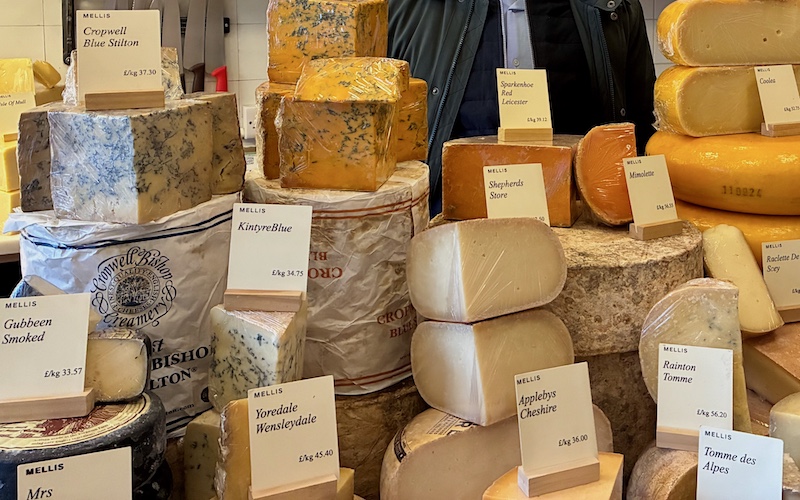
Over 90% of traditional cheesemaking ceased with the centralised food production introduced during the war years. Thankfully a number of the most classic English cheeses survived – and many more have been resurrected by passionate producers in the past few decades. Here are the stories of some of the most classic English cheeses, along with a couple of newcomers made in traditional styles.
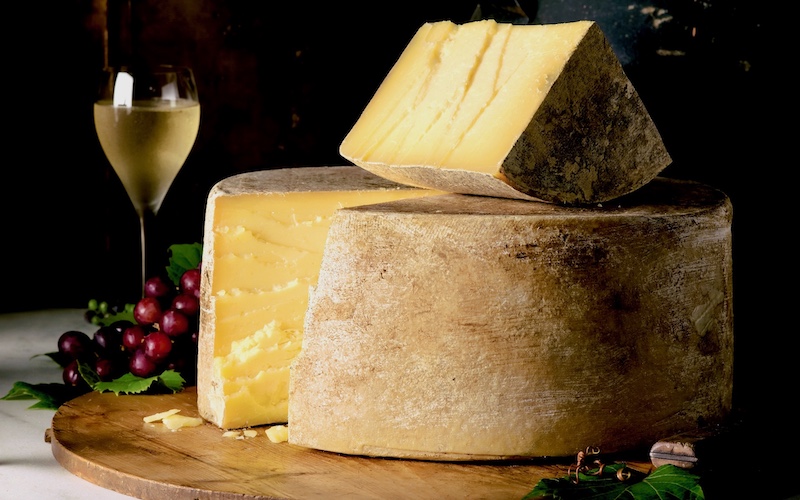
Cheddar While over half the cheese in English-speaking countries is called cheddar – squeeze tubes and plastic-wrapped slices are a far cry from the authentic cloth-wrapped cheddar made in Dorset, Somerset, Devon, and Cornwall under the West Country Farmhouse Cheddar appellation. The Somerset village of Cheddar gave its name to cheddaring, the traditional process of stacking blocks of curd on top of one another to drain.
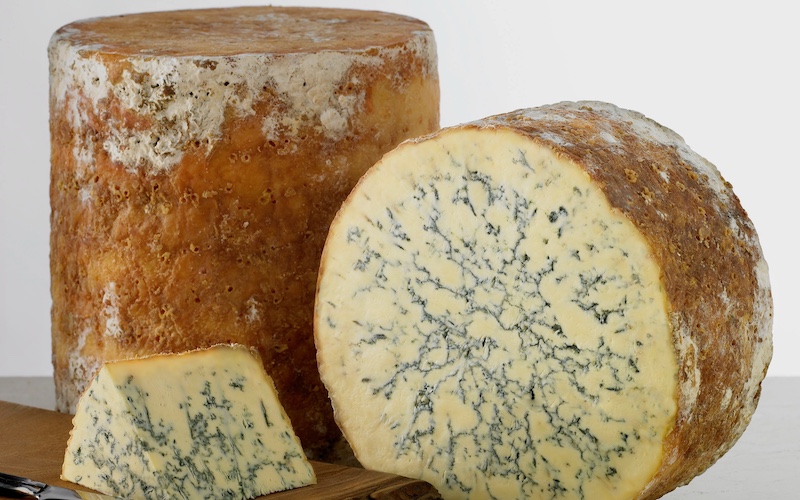
Stilton Blue-veined, sheep’s milk cheese was once made all over England. In the early 1700s an enterprising Leicestershire woman supplied it to the Bell Inn in nearby Stilton, an important stagecoach stop on the London–Edinburgh road. So word of ‘the cheese from Stilton’ spread far and wide – though it has never actually been produced in Stilton. Today Stilton cheese is made by just seven dairies in Nottinghamshire, Derbyshire, and Leicestershire.
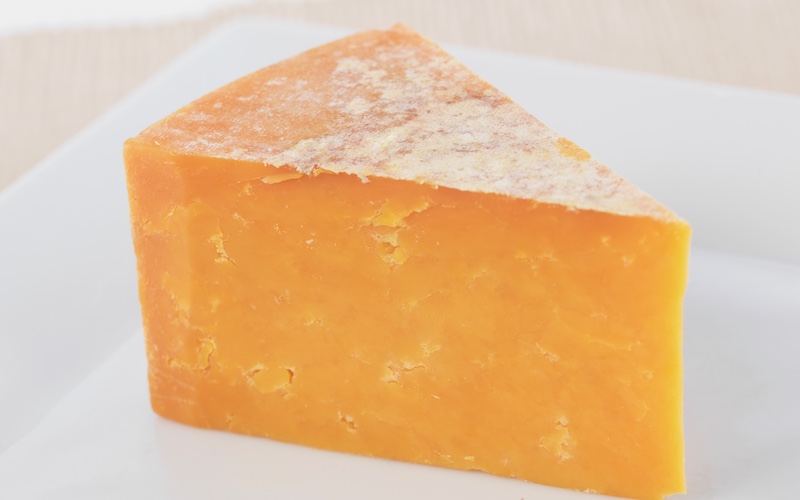
Red Leicester Semi-hard British cow’s milk cheeses are traditionally named for their native counties. Annatto seed was traditionally used to dye Leicester cheese deep orange-red, but it became white during the austerity measures of WWII. Post-war, when dying resumed, the name became Red Leicester to differentiate it from the pale wartime version. Cheshire, Britain’s oldest named cheese, is also often dyed orange with annatto.
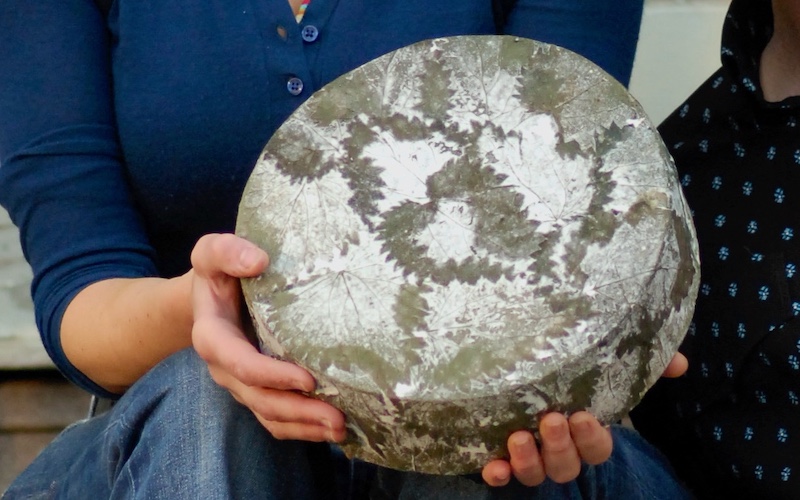
Cornish Yarg This semi-hard cow’s milk cheese from Cornwall in England’s southwest is covered in local nettle leaves, which develop a dusting of white mould. It was created in the 1980s based on a 17th century recipe that Alan and Jenny Gray found in the attic of their old farm – and today it’s made by nearby Lynher Dairies. Its slightly crumbly, ivory-coloured interior tastes buttery and lemony (like Welsh Caerphilly), becoming creamier near the rind.
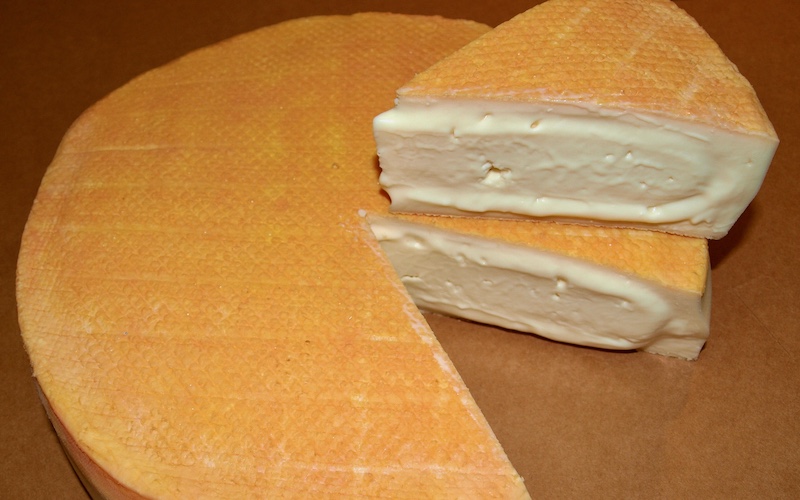
Stinking Bishop The rind of this cow’s milk cheese is washed with perry (pear cider) during ageing — a traditional technique once used by Cistercian monks in the region. Created by Charles Martell in Gloucestershire in 1972, it’s wrapped in a strip of beechwood and, although the sticky orange rind develops a pungent whiff, the flavour is milder than the name and smell suggest. Stinking Bishop is actually the name of the pear cultivar used for the perry.
Just back from the most amazing trip to Emilia-Romagna with Roberta. Not only the home of Prosciutto di Parma, Parmigiano-Reggiano & Balsamic Vinegar, but scenery to die for and more quaint and exciting restaurants and cafés than you ever imagined. And Roberta is just the person to help you discover and enjoy them! Her knowledge of the history of the region and its wonderful cuisine know no bounds and all added to the excitement of the trip. It was faultless - well organized and lots of fun!
Deb (Belconnen, ACT, Aus.)
Wow, what a tour – I learned so much! Awesome fun traveling through Emilia-Romagna experiencing first hand some of the produce I've worked with over the last couple of years cooking with Roberta's recipe kits – the family are reaping the benefits now. If you're thinking of joining Roberta in future years get ready for an amazing experience.
Mark (Elizabeth Bay, NSW, Aus.)
My wife and I recently joined Roberta's Emilia-Romagna tour. We enjoyed all the temptations offered and learned a lot about that part of Italy, especially its food and wine culture. What was most impressive was Roberta's local knowledge of people and places. The planning and effort she put into making the whole experience seem effortless was remarkable.
Karen (Bowral, NSW, Aus.)
Our tour with Roberta through Emilia-Romagna was the highlight of the year. Good company, gorgeous palazzi and great food. What more could one ask for? Roberta's enthusiasm and knowledge made this a once in a lifetime experience through an extraordinary, diverse and very special region.
Shelley (Auckland, NZ)
Roberta’s passion for Italy shone throughout an unforgettable food and wine tour. She introduced us to family-owned artisanal producers, where we experienced everything from attic-aged balsamic to small-batch wines, Parma ham and Parmigiano-Reggiano. The local guides were equally passionate, and the excellent transport and accommodation made the trip effortless. This tour captured the region’s traditions, flavours and people, and thanks to Roberta’s deep knowledge we left with wonderful memories. A truly authentic culinary adventure — highly recommended.
Subscribe To My Newsletter & Get A Free Online Italian Cooking Class (RRP $39)