Switzerland rarely rates a mention when we talk about wine producing countries. Yet wine has been made here since Roman times, when settlers brought their vines and expertise to Helvetia around 15 BC.
Today Switzerland contains just 0.2% of the world’s vineyards. The Swiss love their wine, keeping most of it to themselves rather than exporting it, which is why we rarely hear about Swiss wine and even less often taste it. By the late 20th century, overproduction was an issue for the Swiss wine industry, so producers shifted their focus to quality. In 1988 Switzerland introduced its first appellation system, similar to France’s AOC. Today, many growers embrace organic and biodynamic farming, and Switzerland is a leader in sustainable viticulture and new disease-resistant grape crosses.
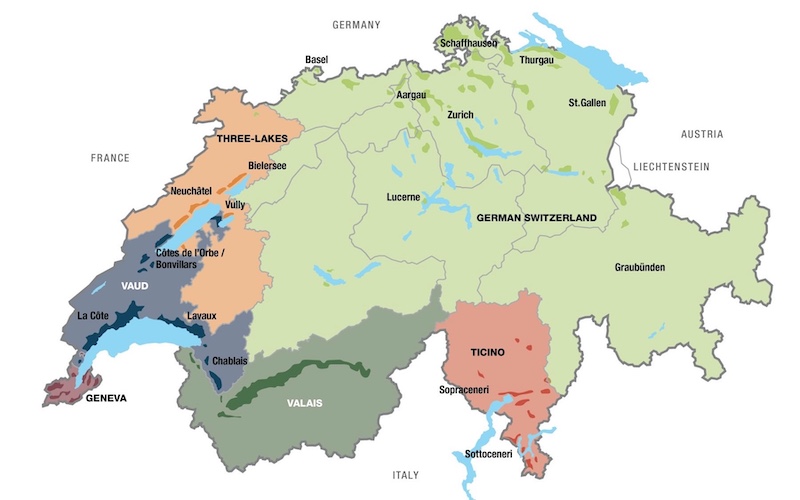
The two most important varieties for Swiss wine are the indigenous white chasselas and French red pinot noir. Along with gamay and merlot, they make up two-thirds of production. A third of all Swiss wine comes from native grapes including petite arvine, amigne, heida, rèze, räuschling, cornalin, completer, bondola, humagne blanche and humagne rouge, plus modern gamay crosses such as gamaret and garanoir. Switzerland has six designated wine regions: Valais, Vaud, German-Speaking Switzerland, Geneva, Ticino, and Three Lakes.
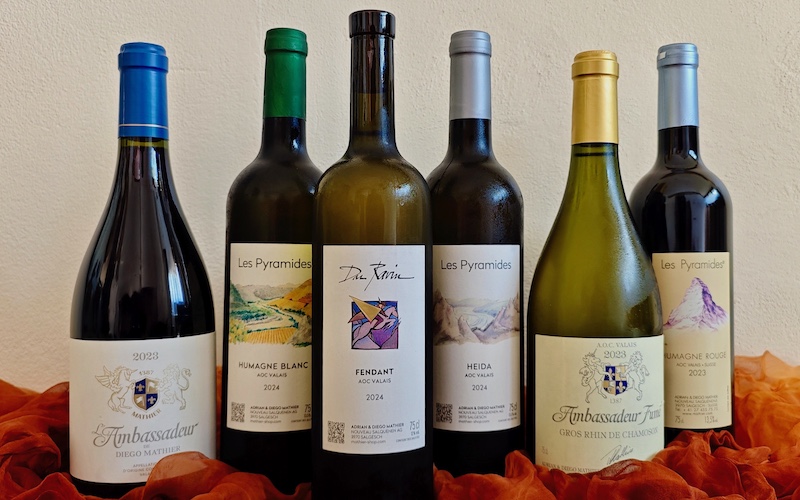
Valais Switzerland’s largest wine region lies in the upper Rhône Valley and Alps. Valais has Europe’s highest vineyards (up to 1,150m) and indigenous grape varieties, such as heida, that are acclimatised to this altitude. It’s known for pinot noir and chasselas (called fendant locally), plus petite arvine, gamay, johannisberg (silvaner), syrah, cornalin and the pinot-gamay blend dôle.
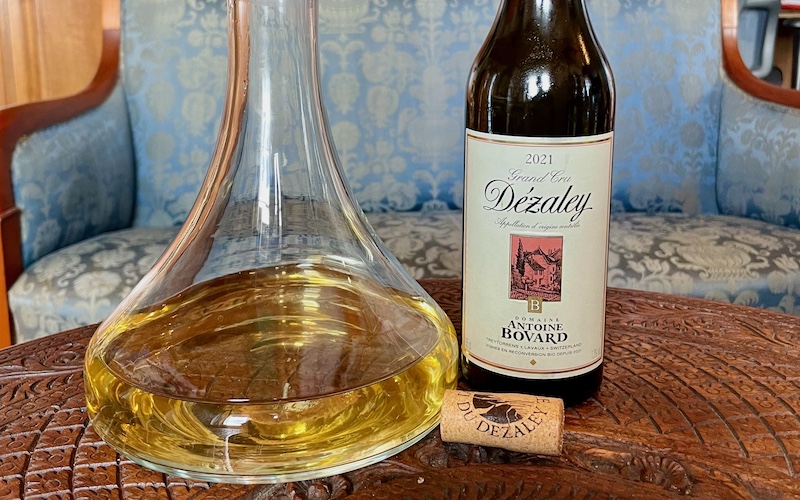
Vaud A quarter of Swiss vineyards lie in Vaud. This is chasselas country, though labels list villages (such as Yvorne, Epesses, Dézaley) rather than grape names. Pinot noir, gamay, gamaret, garanoir and chardonnay are also made and ‘Label Or Terravin’ indicates regionally typical wines. Vaud has five sub-regions: Lavaux’s UNESCO-listed terraces, La Côte, and Chablais on Lake Geneva, plus Bonvillars and Côtes de l’Orbe on Lake Neuchâtel.
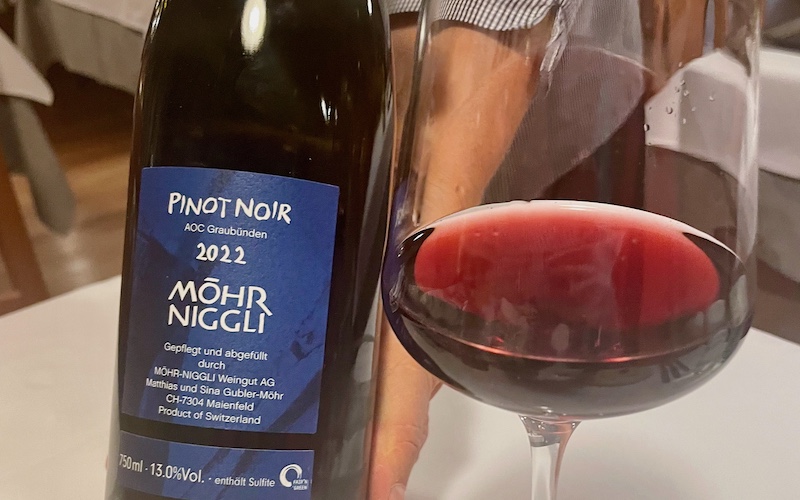
German-Speaking Switzerland Though it covers two-thirds of the country, the German-speaking part of Switzerland produces less than 20% of Swiss wine, with cantons Zürich, Schaffhausen, Graubünden (Grisons), Aargau and Thurgau contributing most. Pinot noir (called blauburgunder in German) accounts for half the output; müller-thurgau is the main white, with chardonnay, sauvignon blanc, räuschling, gewürztraminer and pinot gris also grown.
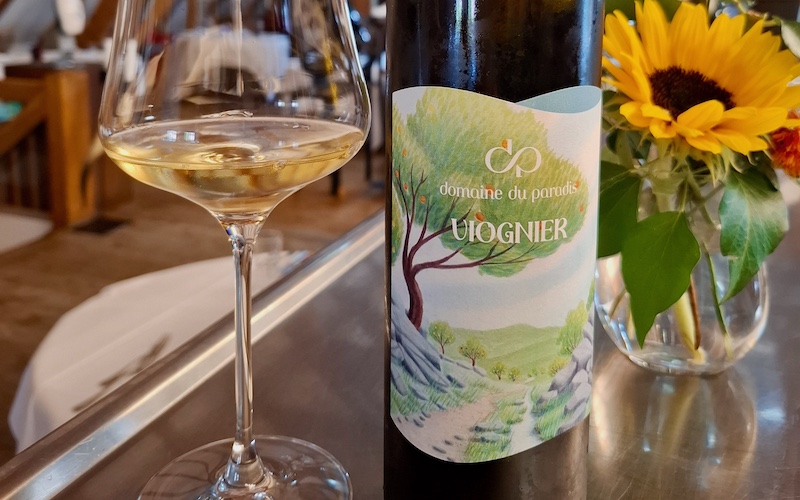
Geneva This tiny region, wrapped around the western tip of Lake Geneva, makes under 10% of Swiss wine but has 22 Premier Cru sites within its two AOCs: Geneva and Coteau de Choulex (on the southern shore). Gamay and chasselas are the main varietals, with pinot noir, chardonnay, viognier, gamaret (a modern gamay cross) and other new experimental varieties also produced.
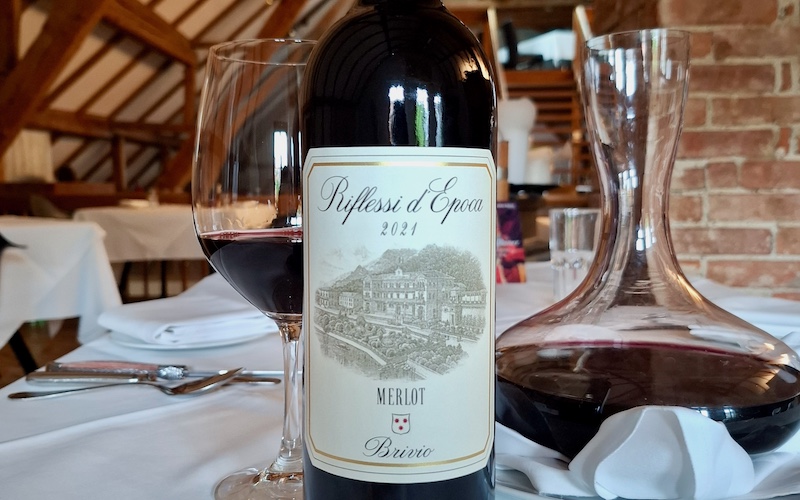
Ticino The only region on the Alps’ southern slopes, Switzerland’s Italian-speaking canton produces mainly merlot (over 75%), including some merlot bianco. Vineyards enjoy sun, rain and maritime influence from the large lakes on the Italian-Swiss border. Wines from the cooler north (Sopraceneri) are lighter, while those from the warmer south (Sottoceneri) are fuller-bodied and often oak-aged. All fall under AOC Ticino.
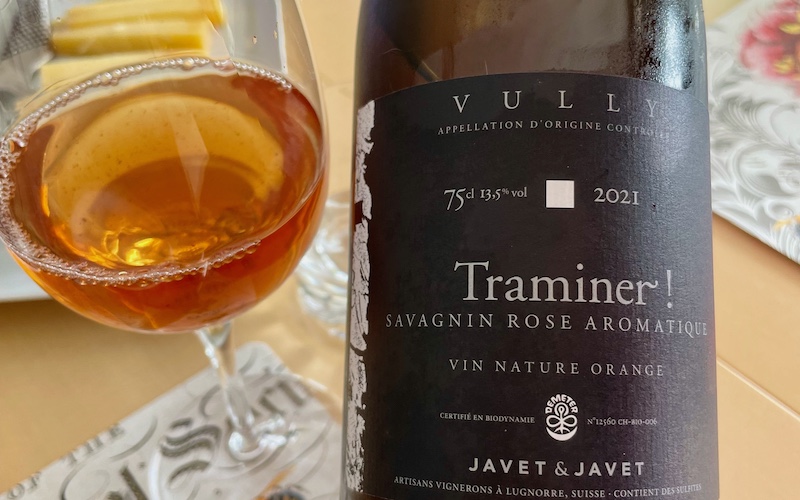
Three Lakes The region around Lakes Neuchâtel, Biel and Murten (just 6% of production), is known for pinot noir, chasselas, chardonnay, gamay, gewürztraminer and sparkling wines. Lake Neuchâtel has a distinctive pinot noir rosé, Œil-de-Perdrix, and unfiltered chasselas. Most Lake Biel vineyards are AOC Lac de Bienne and the tiny Vully sub-region along Lake Murten is known for freiburger (sylvaner) and gewürztraminer (called traminer locally).
Just back from the most amazing trip to Emilia-Romagna with Roberta. Not only the home of Prosciutto di Parma, Parmigiano-Reggiano & Balsamic Vinegar, but scenery to die for and more quaint and exciting restaurants and cafés than you ever imagined. And Roberta is just the person to help you discover and enjoy them! Her knowledge of the history of the region and its wonderful cuisine know no bounds and all added to the excitement of the trip. It was faultless - well organized and lots of fun!
Deb (Belconnen, ACT, Aus.)
Wow, what a tour – I learned so much! Awesome fun traveling through Emilia-Romagna experiencing first hand some of the produce I've worked with over the last couple of years cooking with Roberta's recipe kits – the family are reaping the benefits now. If you're thinking of joining Roberta in future years get ready for an amazing experience.
Mark (Elizabeth Bay, NSW, Aus.)
My wife and I recently joined Roberta's Emilia-Romagna tour. We enjoyed all the temptations offered and learned a lot about that part of Italy, especially its food and wine culture. What was most impressive was Roberta's local knowledge of people and places. The planning and effort she put into making the whole experience seem effortless was remarkable.
Karen (Bowral, NSW, Aus.)
Our tour with Roberta through Emilia-Romagna was the highlight of the year. Good company, gorgeous palazzi and great food. What more could one ask for? Roberta's enthusiasm and knowledge made this a once in a lifetime experience through an extraordinary, diverse and very special region.
Shelley (Auckland, NZ)
Roberta’s passion for Italy shone throughout an unforgettable food and wine tour. She introduced us to family-owned artisanal producers, where we experienced everything from attic-aged balsamic to small-batch wines, Parma ham and Parmigiano-Reggiano. The local guides were equally passionate, and the excellent transport and accommodation made the trip effortless. This tour captured the region’s traditions, flavours and people, and thanks to Roberta’s deep knowledge we left with wonderful memories. A truly authentic culinary adventure — highly recommended.
Subscribe To My Newsletter & Get A Free Online Italian Cooking Class (RRP $39)