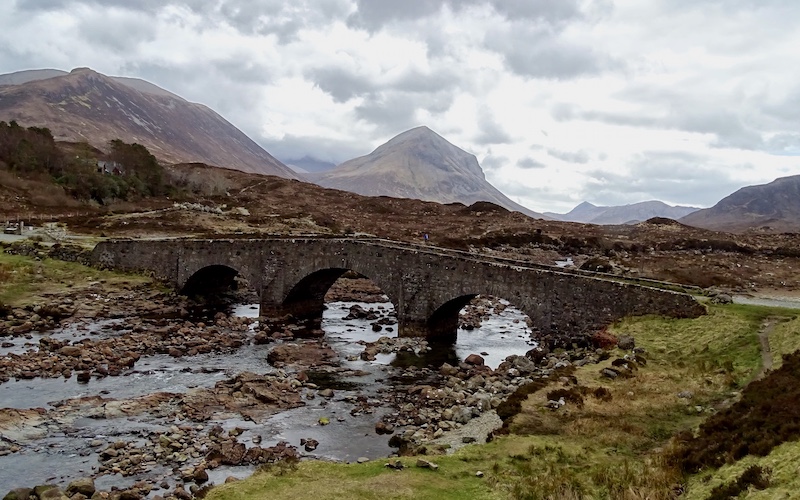
The Scottish Highlands are full of beautiful bays, craggy snow-dusted mountain peaks, peat-stained streams and heather-clad moors scattered with golden gorse and wild deer, all linked by quiet single-track roads dotted with passing places. In the Scottish Highlands you can drive from bright sunshine to a swirling snow-flurry in just a few miles or a few minutes. And, best of all, you can experience one of the world’s last wilderness areas without giving up any modern comforts, enjoying luxurious accommodation, delicious food, true Highland hospitality and, of course, a warming dram or two of excellent whisky. Scotland’s North Coast 500 (NC500), a loop route covering just over 500 miles of spectacular highland scenery, has been named among the planet’s top coastal roads – alongside the likes of Italy’s Amalfi Coast and the Pacific Coast Highway in the USA! My preference is to drive up the west coast and down the east coast, picking up these highlights along the way. Be sure to stop for a bowl of cock-a-leekie soup in a village pub along the way (see video below).
Views Applecross Pass Wester Ross
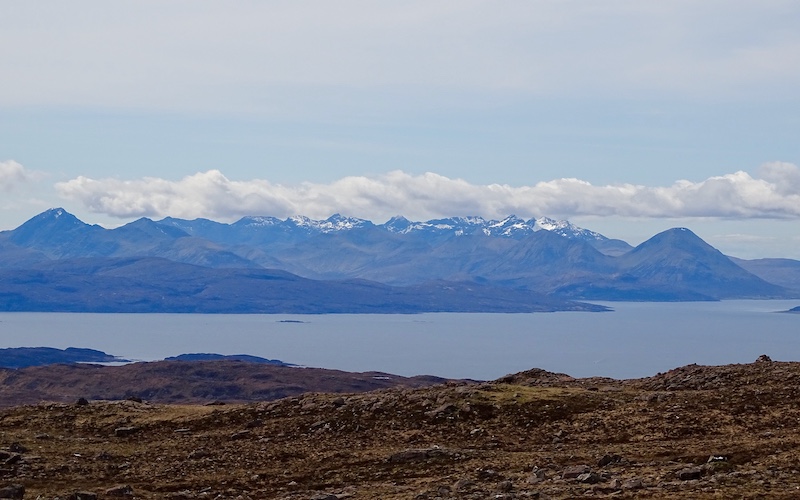
For the most spectacular views on this route of fabulous scenery, climb over the high mountain pass, Bealach na Ba (Pass of the Cattle), through misty hairpin bends and down to the remote village of Applecross, then follow the coast for beautiful views of the Hebridean islands of Raasay and Skye.
B&B The Albannach Lochinver
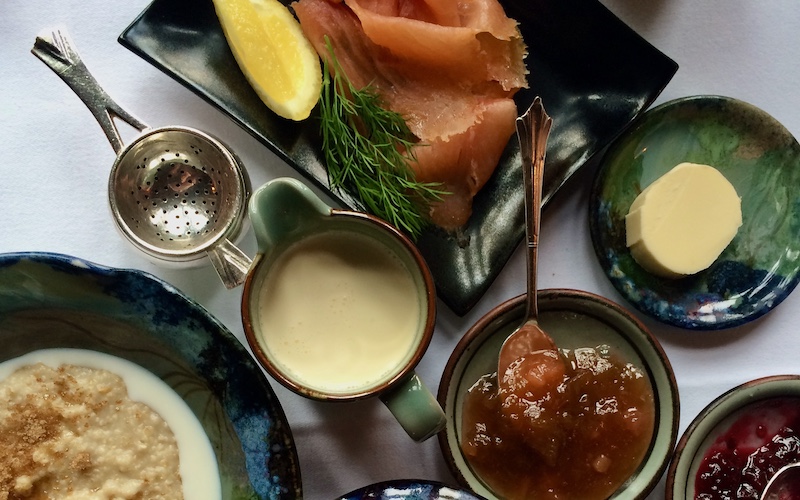
Lesley Crosfield and Colin Craig offered true Highland hospitality for over 30 years in their luxurious B&B delighting both neighbours and guests with a Michelin-starred menu of local seafood and game. It’s under new ownership now and a great base for a few days exploring this stunning west coast location, rooms have gorgeous views and the breakfast menu still features that traditional Scottish porridge made with pin-head oats.
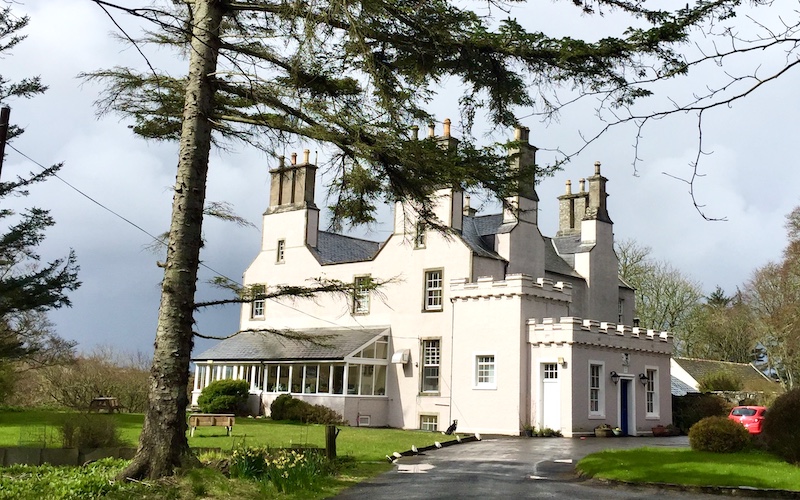
Hotel Forss House Forss (near Thurso)
Built in the early 1800s, this heritage-listed Georgian Manor set in 8 hectares of garden and woodland, has a lovely outlook from the large comfortable rooms. Full of memorabilia from the original owner (a keen adventurer and fisherman) and with a whisky bar offering over 300 single malts.
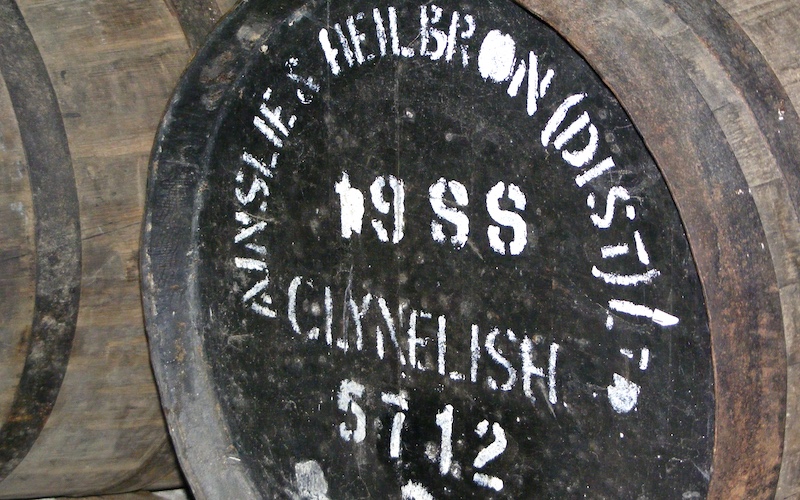
Distillery Clynelish Brora
Clynelish distillery, dating back to the early 1800s, makes a picturesque stop on the east coast to Inverness. Tours include the chance to try drams from the long-closed cult Brora distillery and distillery-only bottlings, as well as to see the stills running and sample direct from the cask.
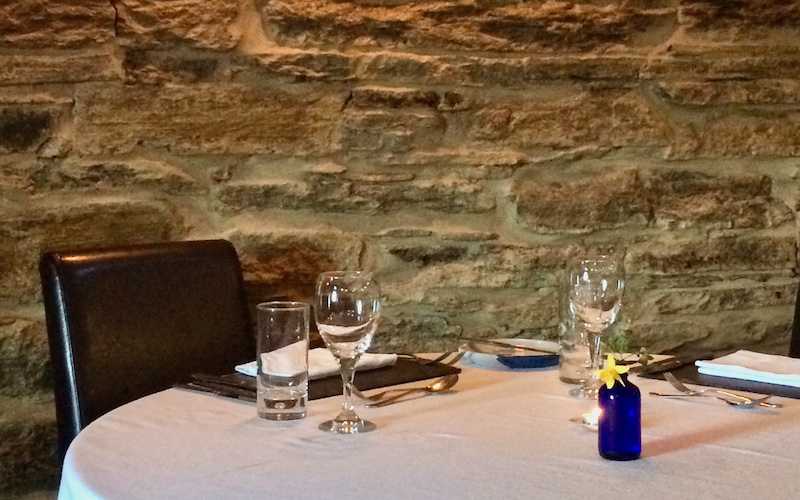
Restaurant The Captain’s Galley Scrabster – UNDER NEW OWNERSHIP
This wonderfully atmospheric 28-seater restaurant in an old stone salmon icing station and bothy (sleeping quarters), was home to some of the best seafood in Scotland under Jim & Mary Cowie. I believe that new owner, Jody Sinclair, continues Jim’s legacy of buying from the boats literally at his front door and look forward to re-reviwing this iconic destination on my next trip to Scotland
A couple more spots to consider along the way: the beautifully-located and very hospitable Ben Loyal Hotel in Tongue on the wild north coast; and Dunnet Bay Distillers, where Martin & Claire Murray use local botanicals to produce their Rock Rose Gin and Holy Grass Vodka.
See some of my favourite Scottish highlands scenery at Franz Scheurer Photography.
Updated 16 May 2025
The North Coast 500 – or NC500 – is a 516-mile (830km) circular driving route around the northern Highlands of Scotland, starting and ending in Inverness. Launched in 2015, it links the most spectacular scenery in Caithness, Sutherland, Wester Ross and Easter Ross, taking in dramatic coastlines, white sand beaches, mountain passes and remote fishing villages. It has been ranked among the world’s great coastal drives alongside the Amalfi Coast and the Pacific Coast Highway.
Absolutely – but go in with realistic expectations. The route’s growing fame has made it extremely busy in peak summer months, with campervans and motorhomes causing significant delays on the narrow single-track roads. For a more rewarding experience, avoid July and August. Midweek travel is quieter than weekends, and early morning starts help you get ahead of the traffic. The scenery is genuinely world-class and the route is well worth the effort – just plan ahead and book accommodation well in advance whenever you travel. Keep this wonderful road trip accessible and please do not drive the NC500 in a campervan or motorhome – the smallest car possible is the best option for narrow single lane roads with passing places.
A minimum of five to seven days is recommended to do the NC500 justice, though ten days to two weeks allows for unhurried exploration, detours and the inevitable stops to simply stare at the view. Rushing it is the biggest mistake most visitors make – the roads are narrow and the scenery demands your full attention.
The route works in either direction, but my preference is to drive north up the west coast and return south down the east coast. The west coast delivers the most dramatic scenery – particularly the Applecross Pass and the northwest Highlands around Lochinver and Assynt – and seeing it on the outward journey means you hit the highlights while you’re fresh. The east coast, quieter and more pastoral, makes for a more relaxed return.
Late spring (May–June) and early autumn (September–October) are ideal. You’ll find longer daylight hours, wildflowers, and far fewer campervans than in peak summer. Winter driving is possible but heavy snowfall can close mountain passes and make single-track roads hazardous. If in doubt, check road conditions before setting out – the Applecross Pass in particular can close without warning in winter weather.
Accommodation books out months ahead in peak season so planning early is essential. My personal recommendations on this page include Forss House near Thurso – a handsome Georgian manor with a whisky bar stocking over 300 single malts – and The Albannach in Lochinver, a beautifully located B&B on the west coast with stunning views. The Ben Loyal Hotel in Tongue on the wild north coast is also worth considering for its position and hospitality.
The Highlands produce some of Scotland’s finest ingredients – seafood (langoustines, crab, scallops, wild salmon), game (venison, grouse, pheasant), foraged foods like brambles and mushrooms, and heather honey are all Highland staples. Cock-a-leekie soup, a traditional broth of chicken and leeks, is a warming classic worth seeking out in village pubs along the route (see my video above). And of course, single malt Scotch whisky – produced at distilleries throughout the Highlands – is as much a part of the food culture as anything on the plate.

The NC500 passes several excellent distilleries. My highlights include Clynelish near Brora on the east coast – one of Scotland’s most respected Highland distilleries, with tours offering drams from the long-closed cult Brora distillery – and Dunnet Bay Distillers on the north coast near Thurso, where Martin and Claire Murray produce their award-winning Rock Rose Gin and Holy Grass Vodka using local Highland botanicals. Both are well worth a stop.