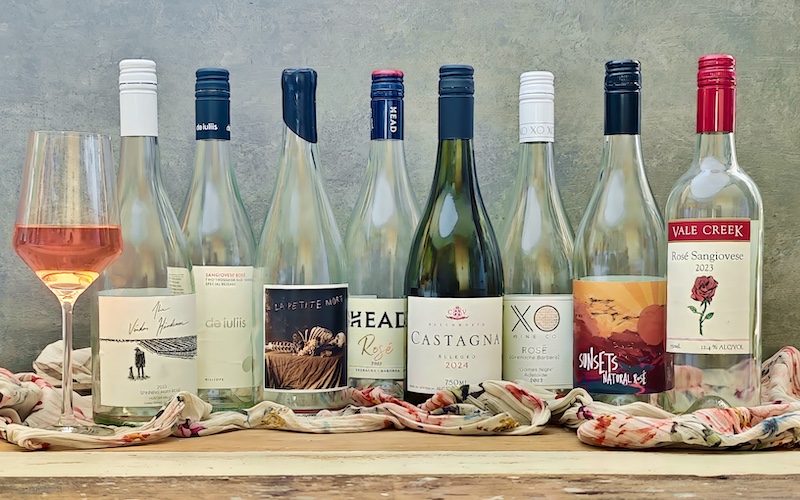
Spring and summer mean long days, balmy evenings, the scent of jasmine, and rosé! Though the food-friendly nature of the best Australian rosés makes them great at any time of year.
I used to have a bias toward the pale salmon-pink rosés of Provence, and an equally strong aversion to the hot-pink, grenache-based lolly water that was typical of Australian rosé for way too long. That’s all behind us now. Today Australia produces many delicious, dry, food-friendly rosé wines – including darker fuller-bodied ones (some grenache-based) that give red wines a run for their money in food pairings. Here are some of the best Australian rosé wines I’ve tried. There are many more out there – often on wine lists by the glass – so enjoy some Australian rosé soon (and scroll down to the FAQ to learn more about the best Australian rosé wines).
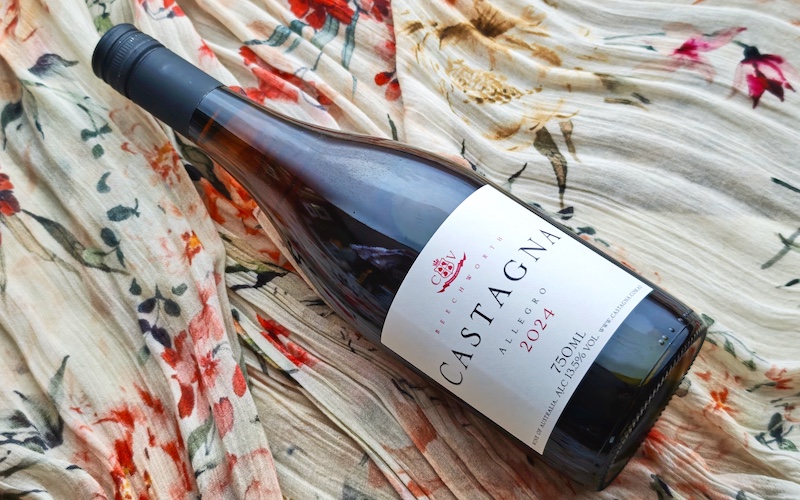
Castagna Allegro (Beechworth, Vic)
This was the wine that changed my mind about Australian rosé, and it’s been my benchmark ever since. Colour varies between vintages as Julian Castagna doesn’t mess much with what nature gives him. Constant is the shiraz-viognier blend, food-friendly textured mouthfeel, and lean mineral finish. Try it with spicy ajilimójili-buttered corn cobs.
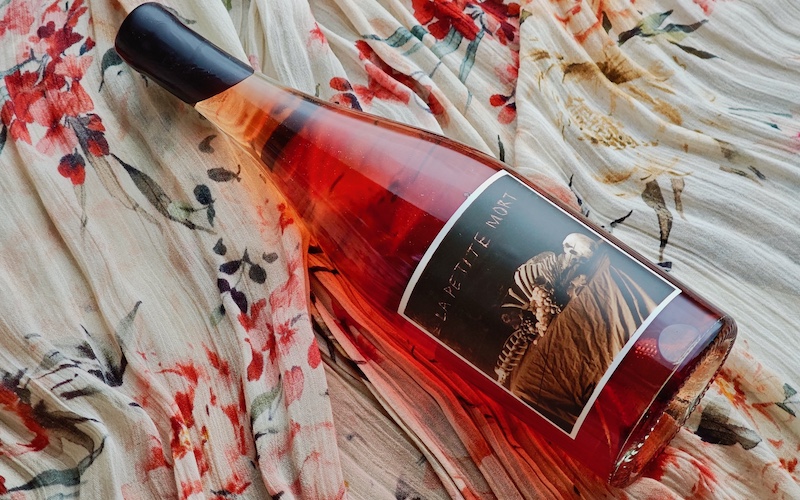
La Petite Mort Rosé (Granite Belt, Qld)
This experimental label from Queensland’s cool Granite Belt produces some delicious quirky wines. Their pinot noir and sangiovese rosé has a touch of pinot cherry fruit followed by a completely dry finish. It’s full-bodied, savoury and a natural with warm duck & orange salad.
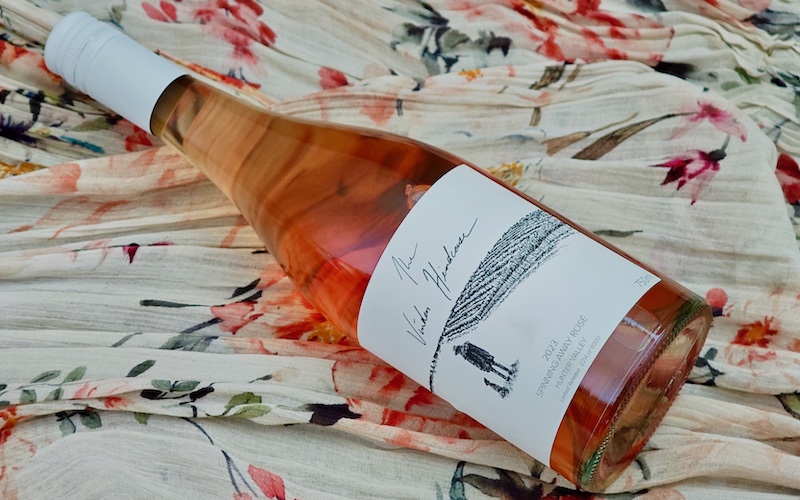
Vinden Headcase Spinning Away Rosé (Hunter Valley, NSW)
Angus Vinden mixes up his ferments – some in stainless, some in old oak and some in concrete – allowing a little malolactic fermentation, to create a layered, floral rosé with a light to medium colour and body and good acid. I love it with Middle Eastern flavours, such as za’atar manouche (see video below).
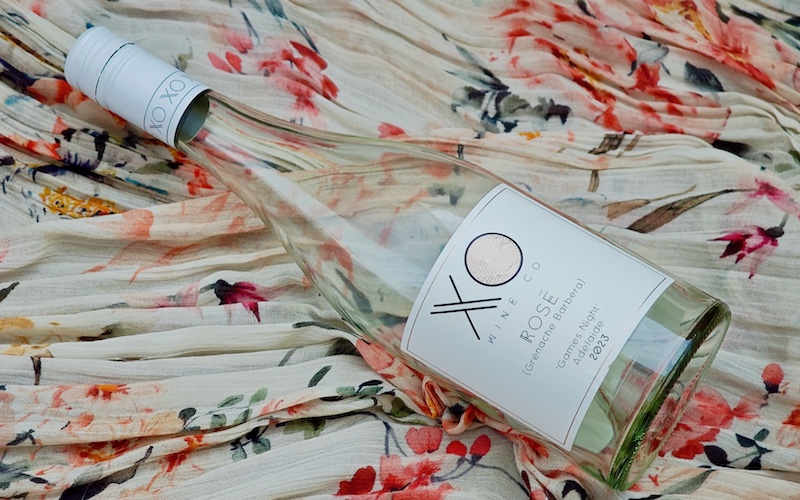
XO Wine Co ‘Games Night’ Rosé (Adeleaide Hills, SA)
There’s a touch of bitter grapefruit on the palate and some toasty oak notes, as well as a whiff of strawberry, on the nose. This grenache-barbera blend is partially fermented in French oak to create a complex, savoury rosé that pairs beautifully with the earthiness of prawn bisque.
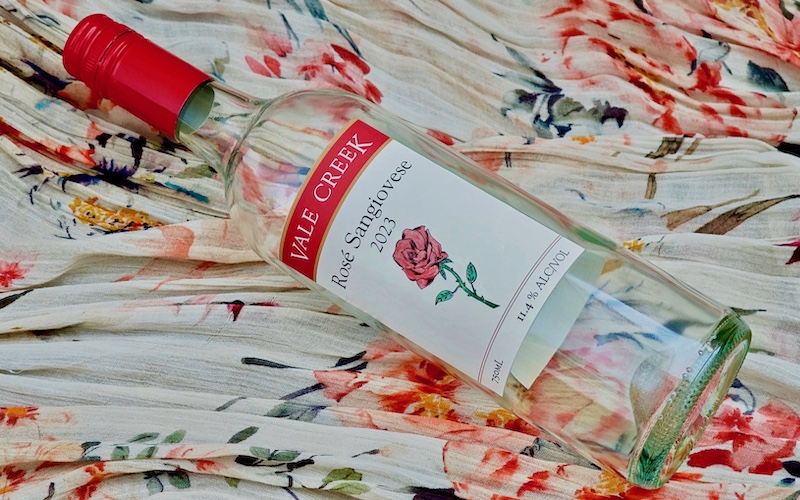
Vale Creek Sangiovese Rosé (Bathurst, NSW)
When Gerard and Jacqui Woods bought Vale Creek Winery, they wisely enlisted the help of Nadja Wallington of nearby ChaLou Wines as their consultant. From the sangiovese planted in the early noughties Gerard produces a full-bodied rosato that begs for big flavours, like grilled scallops doused in spicy ‘nduja butter.
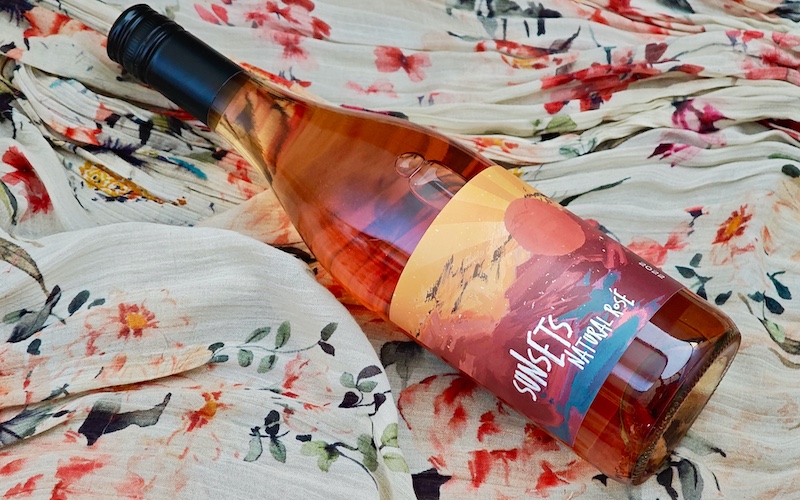
Sunsets Natural Rosé (Riverland, SA)
This organic drop has a vivid orange-pink ‘sunset’ colour and pretty berry nose along with a touch of herbs. The palate is savoury, with good length and a nice dash of spice. It’s a great pairing with full-flavoured dishes, like a fregola risotto rich with meaty mushrooms and smoky notes.
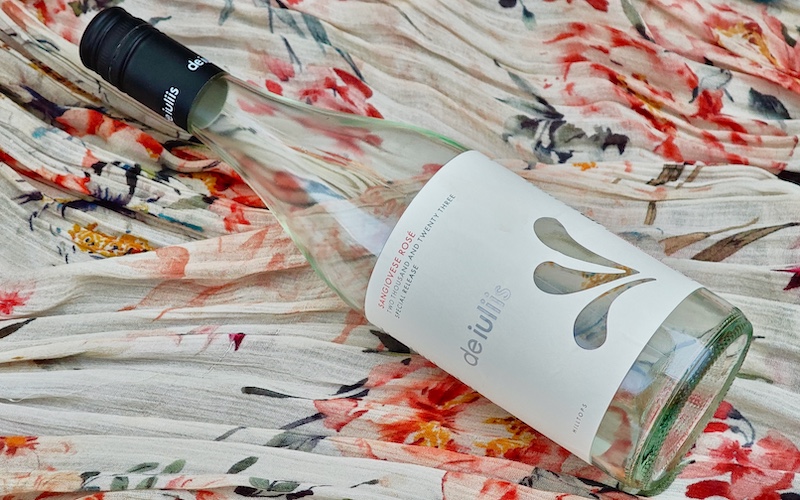
De Iuliis Sangiovese Rosé Special Release (Hunter Valley, NSW)
This bone dry rosé is very pale pink but punchy with plenty of body. It’s savoury, with surprising length, good minerality and a mouth-watering acid grip. Staying true to the Italian heritage of both winemaker Mike de Iuliis and sangiovese, I love it with southern Italian cozze gratinate.
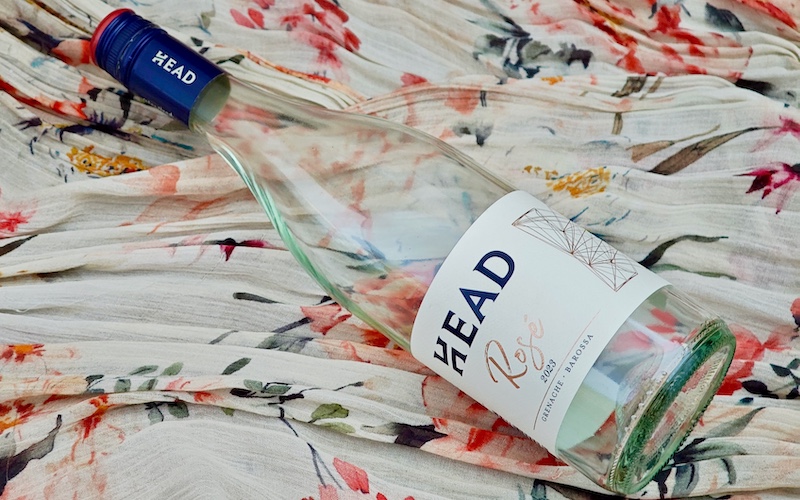
Head Wines Rosé (Barossa Valley, SA)
This deceptively pale rosé is made by the vin-gris method (run off skins as quickly as possible). It looks almost Provençal, but packs a fruit-driven grenache-based punch that’s distinctly Australian without any sweetness. It’s savoury and textural with plenty of oomph to meet bold Southeast Asian flavours head-on. Try it with a Thai green curry.
Updated 09 Jan 2026
Rosé once had the image of being a sweet wine. But the classic rosés of Provence are pale salmon-pink and bone dry. Today the best Australian rosé wines are dry and food-friendly too.
Rosé can be made from any red grape and is sometimes made by adding a splash of red wine to a white wine.
Rosé’s pink colour comes from the juice being in contact with the red grape skin, sometimes for a very short time so that just a little colour leeches into the juice giving it a faint blush, and sometimes for longer creating a deeper colour that’s almost like a light red wine. Vin-gris rosé wines just have the faintest blush as the juice is run off the skins as soon as the grapes are pressed.

Refreshing chilled rosé is often enjoyed in summer and spring – but it’s such a food-friendly style that it’s great year round.
Rosé is a very food-friendly wine style and a good match with many dishes. Try lighter rosé wines with Provençal ratatouille. Especially if it has a hint of fruitiness, rosé is great with Asian dishes like curries or satay as well as other chilli-flavoured dishes. Rosé wines often pair well with the warm spices of Middle Eastern food too.
Once upon a time Australian rosé was hot-pink lolly water, but today the best Australian rosés are dry. Many Australian winemakers are producing this more serious style in regions from Queensland to Western Australia.