I have to confess that sparkling wines aren’t a passion of mine – I’d generally rather spend my alcohol quota on still wine. Some occasions call for fizz however and that’s when I reach for one of the best sparkling rosés I can find.
I find that the best sparkling rosé wines are a little more savoury, and therefore more versatile, than their white counterparts, and I love the pale pink blush. While we’re talking bubbles, can we please make a pact never ever to use the word “Champagne” in reference to any wine that doesn’t come from the French region of Champagne. It’s not a question of prestige, cool Tasmania produces sparkling wines that many consider rival the best Champagnes. Sparkling wines are produced all over the wine-making world – some are serious, some are more frivolous – but it’s time we stopped calling everything with bubbles, Champagne.
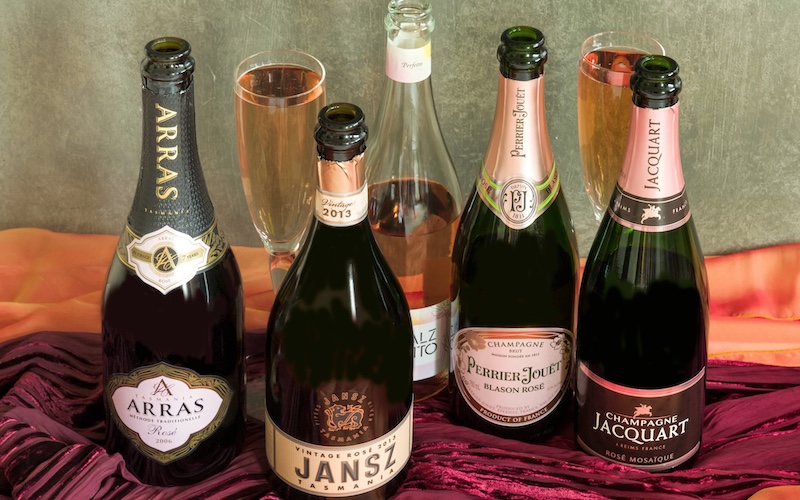
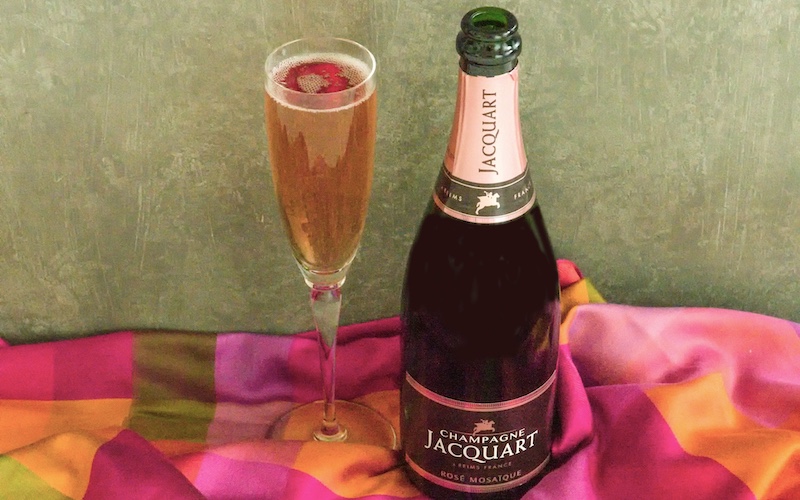
Jacquart Rosé Mosaique NV Champagne, France I like tradition – but I also like the idea of a group of small growers, tired of selling to the big boys, forming a new Champagne house in the 1960s. And I like this wine’s cherry, red currant and plum aromas and strawberry and stone fruit flavours. Try it with a prawn cocktail with traditional sauce Marie Rose (see video below)
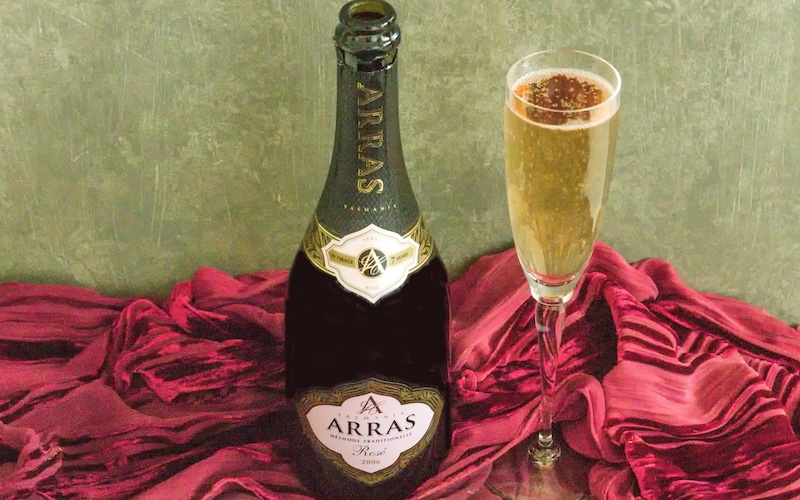
House of Arras Vintage Sparkling Rosé Tasmania, Australia Arras produces only sparkling wines from cool climate Tassie fruit, which are widely regarded as rivalling the best Champagnes. Their vintage rosé spends seven years on lees, giving it a complex, spicy nose of brioche and nougat and a slightly savoury, truffled flavour. Great with smoked salmon.
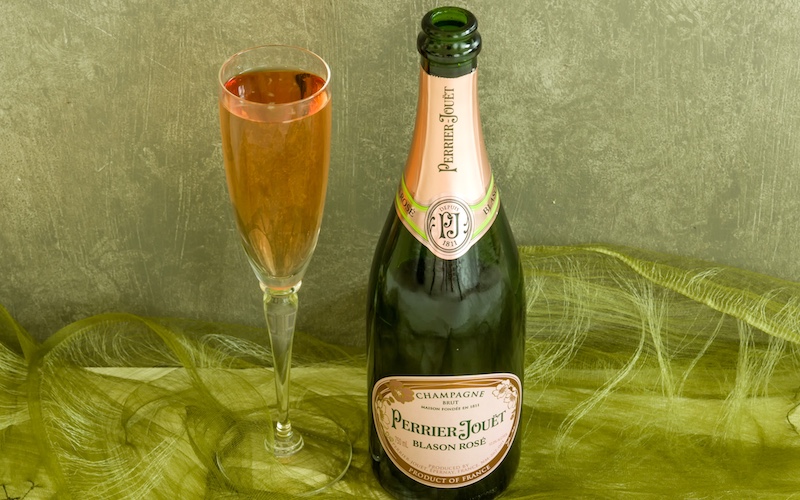
Perrier-Jouët Blason Rosé NV Champagne, France This serious full-bodied wine has stone fruit and citrus on the nose plus hints of violets, orange blossom and buttery biscuits. The rich, long palate has more typical cherry, raspberry and cassis red fruit flavours and savoury notes that make it great with charcuterie like Prosciutto di Parma.
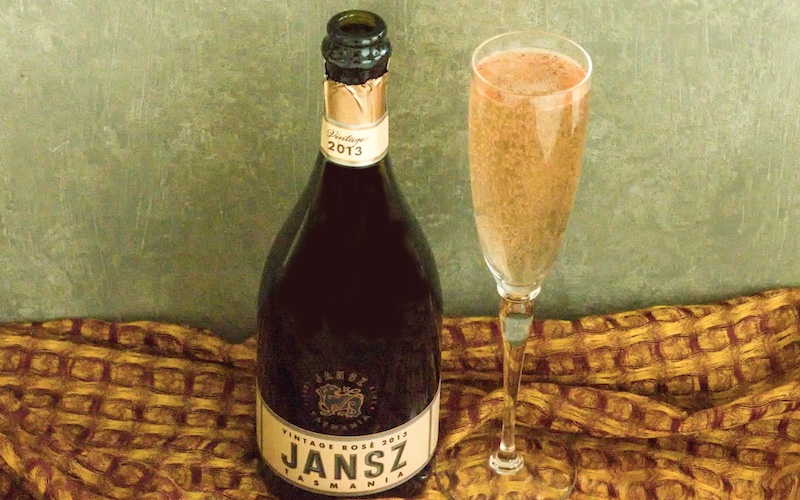
Jansz Vintage Sparkling Rosé Tasmania, Australia This Tasmanian winery, established in collaboration with Champagne house Louis Roederer, also only produces sparkling wine. Their vintage rosé has a long palate of red fruit, Turkish delight and truffles with toasted brioche, rose and quince on the nose. Perfect with blue cheese and quince paste.
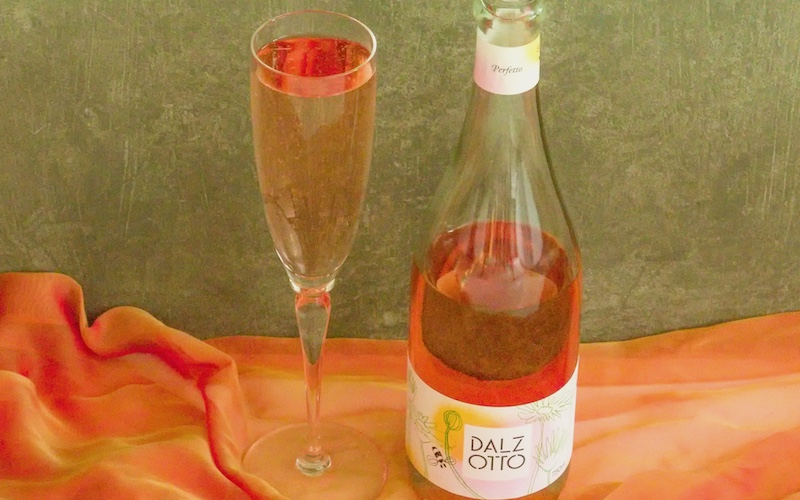
Dal Zotto Pink Pucino NV King Valley, Victoria, Australia If all this serious wine stuff is a bit much for your taste, or pocket, try this playful blend of prosecco and moscato from arguably Australia’s best prosecco producer. Lively and soft, with a gentle spritz, grapey aroma (from the muscat) and pear and citrus flavours, it’s ideal alongside fresh fruit with spicy Thai salt.
Had so much fun at the truffle forage weekend. Loved meeting truffle farmers Lisa and Carmine, and Frank was such a beautiful hard working truffle puppy. Everyone seemed to get into it, with soil sniffing and digging like kids in the dirt for our buried treasure. The final lunch was a beautiful way to end the weekend. Food was amazing and plentiful. The dining room was a great shape and size to relax and share our thoughts on the adventure we'd had.
John, Camden (NSW, Australia)
The truffle forage was an unforgettable weekend. It’s obvious the winemaker, restaurants and the truffle farm pulled out all stops for Roberta’s tours. The meals were feasts, winemaker tapped barrels for us, and we dug for and found plenty of truffles at the truffle farm. The other travellers were great company.
Luci, Bellingen (NSW, Australia)
I went on Roberta's truffle weekend. She was amazing – great communication skills, friendly and knowledgeable.
The truffle forage hosts were lovely with a wealth of knowledge and experience. The truffle dog was gorgeous, we found lots of yummy truffles and were given a generous discount on purchases at the end plus a gift of some truffle salt. Meals were amazing, lots of truffle at dinner and so many delicious dishes at lunch. We were well looked after. This was a well thought out and planned weekend and I would definitely do it again.
Jenny, Double Bay (NSW, Australia)
The recent Be Inspired truffle foraging weekend was a superb experience in a friendly environment. We met welcoming, informative and knowledgeable producers and enjoyed memorable meals with other food and wine lovers. Beautifully organised. Roberta's expertise in bringing together producers, winemakers and chefs provides a delightful experience for anyone who enjoys food and wine.
Steve, Narrabundah (ACT, Australia)
Our small group was expertly guided through some of the best places in the Hunter Valley by super host, Roberta. Thank you Roberta for such a great weekend of food and wine and the enthusiasm and knowledge you brought to our group. I had a beaut time learning lots of new things in great company and can't wait for the next experience.
Sparkling Wine FAQ
What’s the difference between Champagne and other sparkling wines?
Champagne is a protected name that can only be used for sparkling wine made in the Champagne region of France, following strict production rules. Sparkling rosé wines made outside this region — whether in Australia, Italy or elsewhere — may be excellent quality but shouldn’t be called Champagne.
Can any sparkling wine be called Champagne?
No – only sparkling wines produced in the Champagne region of France can legally be called Champagne. Using the term Champagne for other sparkling wines is incorrect, even though it’s still heard in everyday conversation.
Why is the word Champagne often used to describe all sparkling wine?
Traditionally, the wines of Champagne became synonymous with celebration and luxury, so many people still use the name as a generic term for sparkling wine. However, wine professionals and producers increasingly avoid this misuse out of respect for the Champagne appellation and other regions producing excellent sparkling wine (such as Tasmania in Australia).
What should I call sparkling wine that isn’t Champagne?
That depends where it’s made. Sparkling wines made outside Champagne may be called simply sparkling wine, or referred to by their region or style — such as Tasmanian sparkling wine or Australian sparkling wine. If they’re Italian sparkling wines they may be Prosecco, Franciacorta or one of the other Italian appellations making sparkling wine.
What makes Champagne rosé different from sparkling rosé made elsewhere?
Champagne rosé is made using the traditional Champagne method (Méthode Champenoise) and grapes, and reflects the climate, soils and winemaking traditions of Champagne. Sparkling rosé made elsewhere may use similar techniques and grapes but doesn’t have to and expresses different regional characters and terroir.
Are Australian sparkling rosé wines as good as Champagne rosé?
Some Australian sparkling rosé wines — particularly those from cool-climate regions like Tasmania — are internationally recognised for their quality. While they are stylistically different from Champagne rosé, they can be just as refined, complex and food-friendly.
What grapes are used in Champagne rosé and other sparkling rosé wines?
Champagne rosé can only be made from the three grape varieties permitted within the Champagne appellation: pinot noir, pinot meunier and chardonnay. Sparkling rosé wines made elsewhere may use these grapes or any other grapes.
What foods pair well with sparkling rosé wines?
Sparkling rosé is extremely food-friendly. It pairs well with charcuterie, smoked salmon, cheeses, spicy dishes and fresh fruit. The combination of freshness, acidity and subtle fruit makes it versatile across many cuisines.
Are sparkling rosé wines only for celebrations?
While sparkling rosé is often associated with celebrations, it’s also an excellent wine for everyday drinking. Its freshness and balance make it ideal with food, whether for brunch, lunch or dinner.
Why is Champagne rosé usually more expensive than other sparkling rosé wines?
Champagne rosé is typically more expensive due to strict production regulations, long ageing requirements, limited vineyard land and global demand. Sparkling rosé wines made elsewhere often offer outstanding value while still delivering quality and elegance.
Subscribe To My Newsletter & Get A Free Online Italian Cooking Class (RRP $39)